
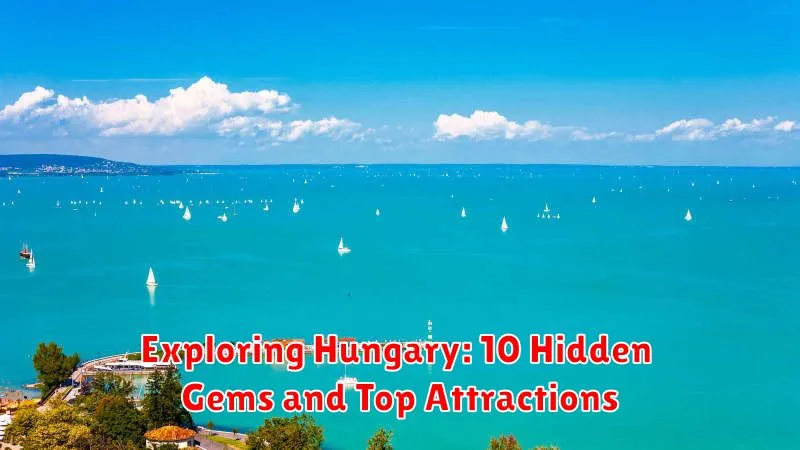
Welcome to a captivating journey through Hungary, a magical land where Eastern and Western traditions intertwine seamlessly. Nestled in the heart of Europe, Hungary is rich in history, culture, and breathtaking landscapes. From its bustling capital of Budapest to tranquil countryside hideaways, Hungary offers a plethora of experiences waiting to be discovered.
In this article, we will delve into the wonders of Hungary by showcasing 10 hidden gems alongside its top attractions. Whether you are a keen historian, a nature enthusiast, or a culinary explorer, Hungary promises an adventure that will ignite your senses. So, prepare your itinerary and immerse yourself in the diverse and stunning experiences that only Hungary can offer.
Budapest Parliament

The Budapest Parliament building, perched on the banks of the enchanting Danube River, is not just a political hub but a breathtaking architectural marvel. Designed in a Neo-Gothic style, it is considered one of the most beautiful parliament buildings in the world. This iconic landmark stands as a symbol of Hungary’s rich history and cultural heritage.
A Masterpiece of Neo-Gothic Architecture
Completed in 1902, it showcases a grand facade adorned with gargoyles, spires, and ornate detailing that captivate every visitor. A staggering 691 rooms and 17 floors make up its impressive interior layout, much of which is open to public tours. Inside, opulent decorations, gilded pebbles, and masterful artwork tell the stories of the nation’s past.
Visiting the Parliament
Guided tours are available in various languages and provide insight into the building’s history and operations within. Highlights of the tour include the majestic Grand Staircase, the Dome Hall where the Holy Crown of Hungary is on display, and the stunning Chambers of the Parliament.
Essential Information for Visitors
- Location: Kossuth Lajos Square, Budapest.
- Opening Hours: Typically open from Monday to Sunday, but it’s best to check the official site for any changes.
- Admission: Ticket prices vary for EU and non-EU visitors.
- Note: Booking in advance is highly recommended due to limited slots.
Buda Castle
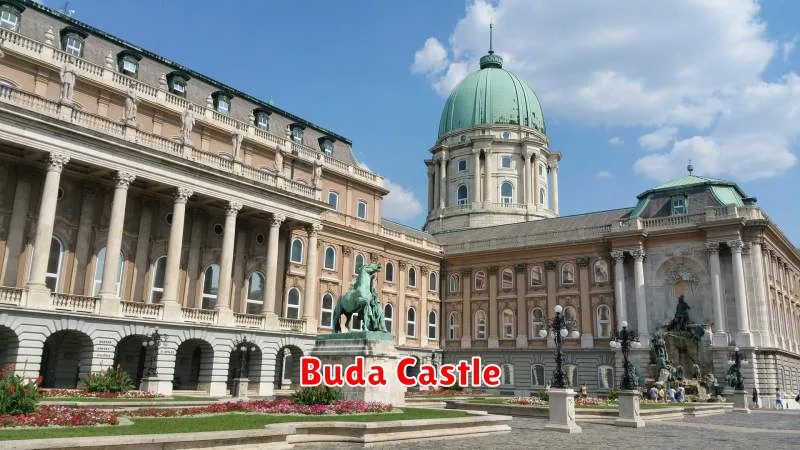
Nestled atop the picturesque hills of Buda, the majestic Buda Castle stands as a testament to Hungary’s rich history and architectural prowess. Once the palace of Hungarian kings, this castle is a magnificent blend of Gothic and Baroque styles, offering visitors a glimpse into the grandeur of the past.
Historical Significance
Buda Castle has played a significant role in Hungary’s history for centuries. Originally constructed in the 13th century, it has witnessed numerous reconstructions and restorations, serving as a symbol of resilience amidst the tumultuous history of the region.
Top Features to Explore:
- Matthias Church – This striking church, with its colorful majolica roof tiles, offers a breathtaking view of the Hungarian architectural tradition.
- The Castle Museum – Dive into Hungary’s past with an extensive collection of artifacts and exhibitions showcasing the nation’s history.
- The Royal Palace – Marvel at the opulent rooms and halls that tell tales of royal life.
- The Buda Castle Funicular – Experience a unique ride that connects the banks of the Danube to the castle gates, offering a scenic view of the city below.
Beyond its historical treasures, Buda Castle’s location allows visitors to enjoy panoramic views of Budapest. The combination of historical marvel and scenic vistas makes Buda Castle a must-visit destination in Hungary. Whether you’re a history buff or a lover of architecture, this site promises a captivating experience.
Fisherman’s Bastion
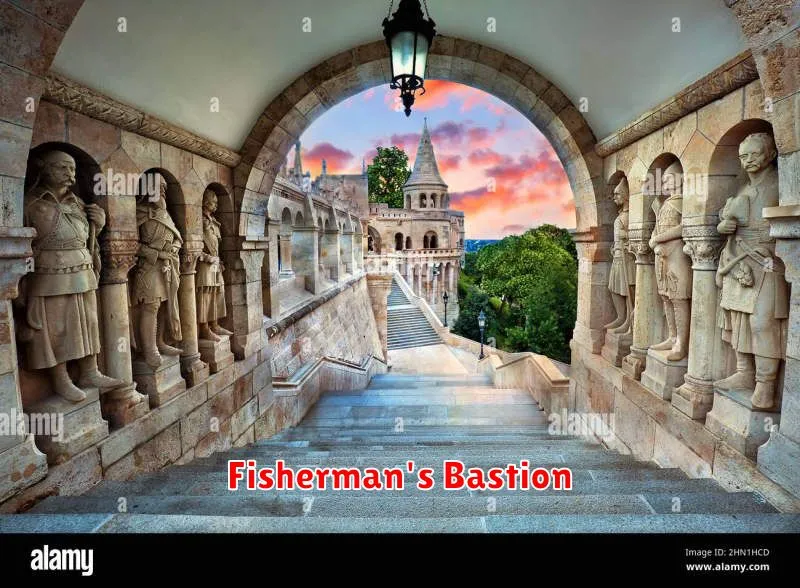
Nestled on the Buda side of the Danube River, the Fisherman’s Bastion, or Halászbástya in Hungarian, offers one of the most spectacular panoramic views of Budapest. This Neo-Gothic terrace was designed by Frigyes Schulek and constructed between 1895 and 1902 to celebrate the 1000th birthday of the Hungarian state.
A Historical Marvel
The name “Fisherman’s Bastion” pays homage to the guild of fishermen who were tasked with defending this section of the city walls in the Middle Ages. The bastion itself is a blend of history and fantasy, its seven towers symbolizing the seven Magyar tribes that settled in the Carpathian Basin in 895.
While the Fisherman’s Bastion was never used in battle, it stands as a testament to the architectural talent and historical vision of nineteenth-century Hungary. The intricate design and the blend of Gothic and Romanesque style make it a unique feature of the city.
Visiting the Bastion
Today, this site is open to visitors year-round, serving as a beautiful lookout point. To make your visit more memorable, you might want to visit during sunrise or sunset, when the city’s silhouette is most enchanting. Though the upper terrace requires a small fee during peak seasons, the lower terraces are free and provide equally stunning views.
- Season: Open all year
- Best time to visit: Sunrise or Sunset
- Entrance fees: Upper terrace has a fee; lower terraces are free
Whether you’re a history buff or a photography enthusiast, the Fisherman’s Bastion is a must-see, providing an immersive experience into the rich tapestry of Budapest’s past.
Széchenyi Thermal Baths
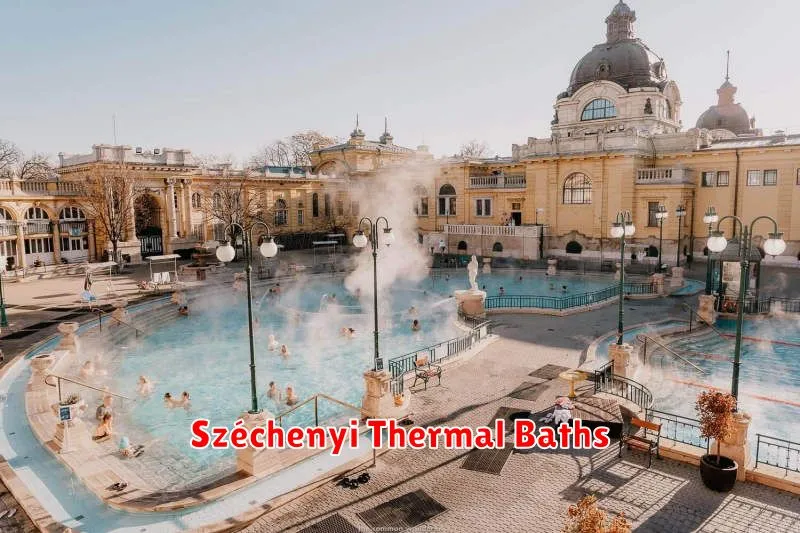
Nestled within the vibrant atmosphere of Budapest, the Széchenyi Thermal Baths offer a unique blend of relaxation and history. As one of the largest medicinal bath complexes in Europe, these thermal baths are a must-visit for those looking to experience the therapeutic benefits of Hungary’s natural geothermal waters.
Historical Significance
Opened in 1913, the Széchenyi Thermal Baths stand as a testament to Hungary’s longstanding tradition of hydrotherapy. The grandeur of the neo-baroque architecture transports you back to a time when the healing properties of these thermal waters were first celebrated.
Healing Waters
Fed by two natural thermal springs, the waters of Széchenyi are rich in calcium, magnesium, and sulfates, which are believed to have therapeutic effects on musculoskeletal disorders, arthritis, and skin conditions. Visitors can unwind in the soothing temperatures that range from 74°F to 104°F.
Amenities and Activities
Whether you’re seeking leisurely relaxation or want to partake in some recreational activities, Széchenyi offers a variety of pools and services to suit your needs:
- Indoor and outdoor pools
- Sauna and steam room facilities
- Massage and spa treatments
Moreover, a visit to the Széchenyi Thermal Baths wouldn’t be complete without joining a game of chess in the outdoor pool—a tradition that has become an iconic part of the bathing experience here.
Plan Your Visit
It’s recommended to book tickets in advance during peak tourist seasons to avoid long queues. The baths are generally open year-round, even in winter, providing a magical experience as you soak in warm waters surrounded by frosty air and steam clouds.
Lake Balaton
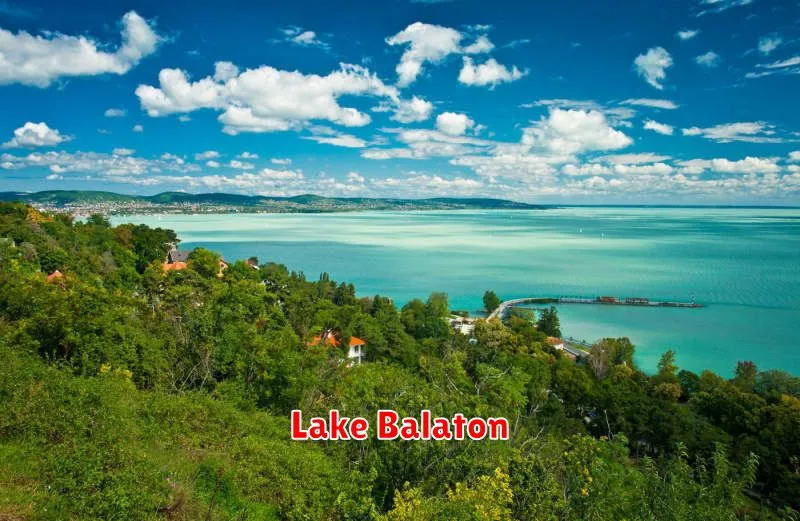
Nestled in the heart of Europe, Lake Balaton is often referred to as the “Hungarian Sea,” owing to its expansive size and undeniable charm. As the largest lake in Central Europe, it offers a plethora of activities and sights for eager explorers and leisurely travelers alike.
The Allure of Lake Balaton
With its shimmering waters and picturesque surroundings, Lake Balaton is a destination that captivates all who visit. Whether you’re drawn in by the serenity of the landscape or the vibrant cultural scene, there’s something here for everyone. The lake is not just a retreat for nature lovers; it’s a thriving hub for adventure seekers too.
Top Activities
- Swimming and Sunbathing: The lake’s shallow, warm waters make it a perfect destination for families.
- Sailing and Windsurfing: With favorable winds and ample space, these activities are a local favorite.
- Fishing: Abundant with fish, Lake Balaton is a top spot for anglers.
- Wine Tours: Explore local vineyards situated on the northern shore, famous for producing exquisite wines.
Local Cuisine
No trip to Lake Balaton would be complete without indulging in traditional Hungarian cuisine. The pike-perch, or ‘Fogas,’ a regional fish delicacy, is a must-try. Pair your meal with a glass of regionally produced wine for an authentic culinary experience.
Event Highlights
Throughout the year, Lake Balaton hosts several events that are sure to enhance your visit:
| Event | Month |
|---|---|
| Balaton Sound | July |
| Lake Cross Swimming | July |
| Baroque Festival | August |
Explore Surrounding Towns
While the lake is the central attraction, the surrounding towns offer an added layer of charm. Places like Keszthely, known for the Festetics Palace, and Tihany, famous for its ancient abbey, provide a peek into Hungary’s rich history and culture.
Aggtelek National Park
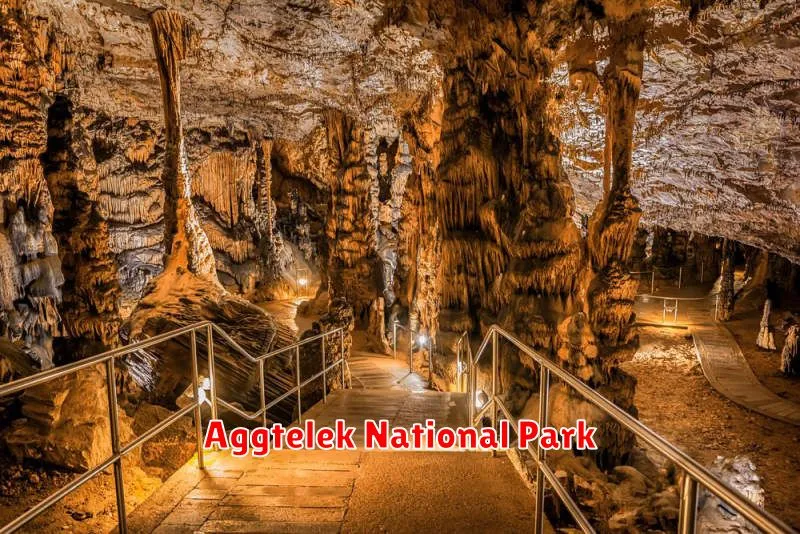
Located in the northern part of Hungary, Aggtelek National Park is a UNESCO World Heritage Site known for its spectacular karst formations. This park offers an incredible glimpse into the subterranean world with its extensive network of caves, the most famous being the Baradla Cave, which is one of Europe’s longest stalactite caves.
Discover the Caves
A visit to Aggtelek National Park is incomplete without exploring its cave systems. The guided tours offered cater to different levels, from leisurely walks to more adventurous spelunking experiences. As you venture inside, you’ll witness the stunning stalactites and stalagmites that have formed over millions of years. The Baradla-Domica Cave System, shared with Slovakia, is a highlight and presents a remarkable underground landscape.
Flora and Fauna
Aggtelek is not just about caves. The park’s diverse ecosystem is home to an array of flora and fauna. Nature enthusiasts and bird watchers will find the park’s faunal sanctuary particularly rewarding. The park boasts over 500 animal species, making it a biodiversity hotspot, including rare birds and unique bat species.
Must-Do Activities
- Hiking: With numerous trails, it’s a hiker’s paradise offering breathtaking views of the natural karst landscape.
- Wildlife Watching: Bring your binoculars to spot the variety of wildlife flourishing in the park.
- Cave Tours: Choose from multiple guided tours to explore the caves’ natural wonders.
Aggtelek National Park combines geological grandeur with biological diversity, making it a must-visit destination for those exploring Hungary’s hidden treasures. Whether you’re a nature lover, geology enthusiast, or adventure seeker, this park promises an unforgettable experience amid its natural wonders.
Hortobágy National Park
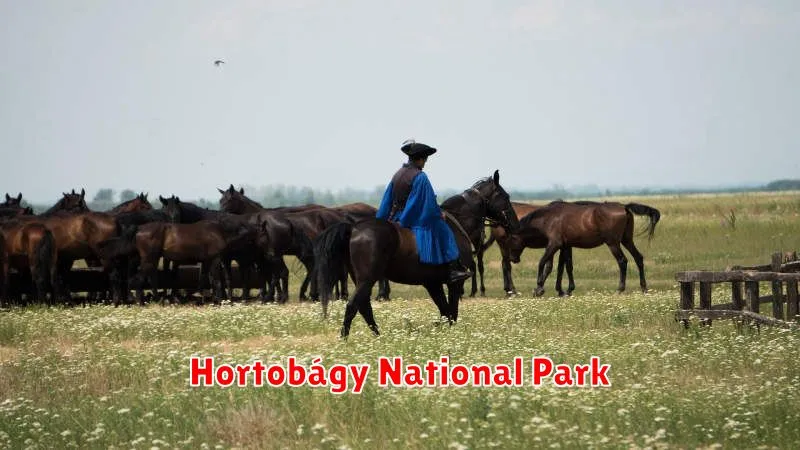
As the largest continuous natural grassland in Europe, Hortobágy National Park offers a unique landscape and an invaluable insight into traditional Hungarian culture. Established in 1973, it was also the first national park in Hungary and is recognized as a UNESCO World Heritage Site for its cultural significance and biodiversity.
Wildlife and Nature
Hortobágy is a haven for wildlife enthusiasts. It is home to diverse species, including the iconic Hungarian Grey cattle, a breed with a long history in the region. Bird watchers can delight in spotting various species, including the majestic Great Bustard, one of the heaviest flying birds globally.
Cultural Significance
The park is also renowned for its cultural heritage, offering a glimpse into the traditional lifestyles of the puszta – the local herdsmen. Experiences such as exploring antique farms, observing traditional herding demonstrations, and sampling authentic Hungarian dishes provide insight into the life on these grasslands.
Things to Do in Hortobágy National Park
- Visit the Nine-Arch Bridge: This iconic bridge is the longest stone bridge in Hungary and a symbol of the national park.
- Hortobágy Village: Immerse yourself in the local culture at this traditional Hungarian village.
- Explore Hortobágy Wildlife Park: A perfect spot for families to learn about the region’s unique wildlife within a safari park setting.
Interesting Facts
| Fact | Detail |
|---|---|
| Size | 82,000 hectares |
| Established | 1973 |
| UNESCO Status | Designated in 1999 as a World Heritage Site |
Hortobágy National Park is a must-visit for anyone keen to experience the heart of Hungary’s natural and cultural heritage. Its expansive landscapes, rich biodiversity, and traditional way of life offer a wonderful retreat into Hungary’s past and present.
Eger Castle
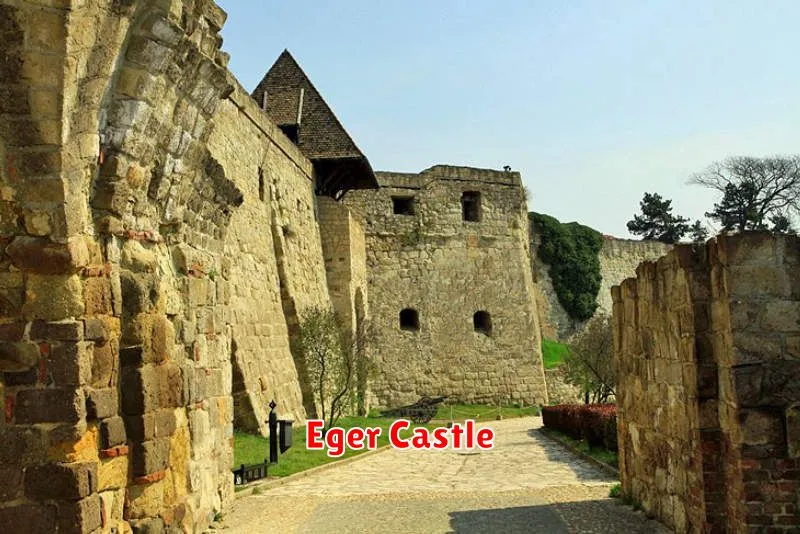
Perched on a hill overlooking the charming town of Eger, Eger Castle is a symbol of resilience and a testament to Hungary’s rich history. Dating back to the 13th century, this castle has witnessed numerous historic events and battles that have shaped the nation.
Historical Significance
The fortress is most famous for the legendary Siege of Eger in 1552 when the vastly outnumbered Hungarian forces, led by Captain István Dobó, successfully defended against the invading Ottoman army. This victory is a celebrated chapter in Hungarian history, often taught in schools and depicted in art.
Architectural Beauty
Visitors to Eger Castle will be captivated by its magnificent fortifications and panoramic views of the city below. Marvel at the medieval architecture, explore the ancient ramparts, and wander through the castle’s courtyards where echoes of the past seem to linger.
Must-See Attractions Within the Castle
- Dobó Bastion: Discover the heroism of the past at this bastion named after the castle’s famous defender.
- Underground Casemates: These secretive tunnels add a sense of mystery and intrigue to your visit.
- Eger Art Gallery: Houses a collection that reflects Hungary’s cultural patrimony.
- Panoramic Viewpoints: Capture the breathtaking views of the city of Eger and beyond.
Visitor Information
| Entrance Fee | Opening Hours | Best Time to Visit |
|---|---|---|
| Adults: 2,000 HUF / Children: 1,000 HUF | 09:00 – 18:00 | Spring and Autumn |
With its dramatic history, stunning views, and cultural exhibits, Eger Castle is an unmissable destination for anyone traveling to Hungary. Relive the glory of the past while absorbing the beauty and stories contained within its ancient walls.
Pannonhalma Archabbey
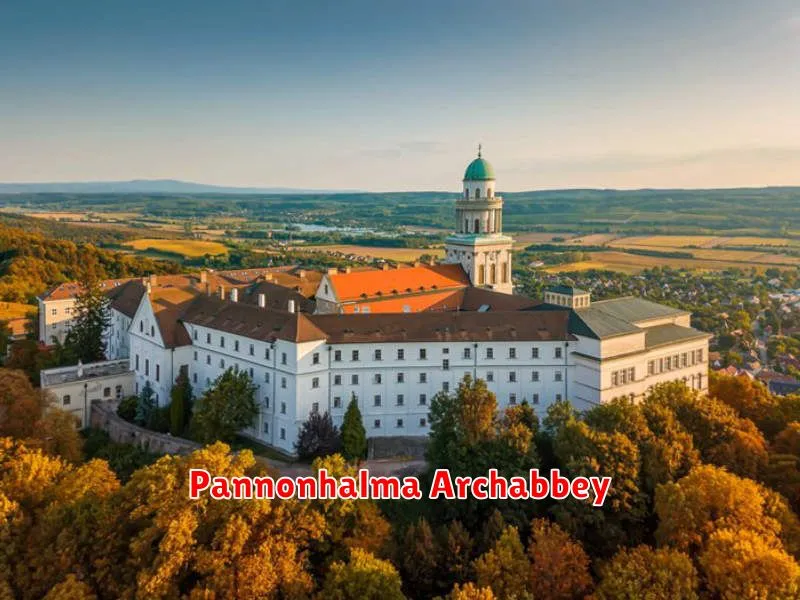
When venturing into the heart of Hungary, the Pannonhalma Archabbey stands as a beacon of cultural and spiritual heritage. This Benedictine monastery, nestled atop the Sacred Hill, is a harmonious blend of history, architecture, and spirituality. Designated as a UNESCO World Heritage Site, Pannonhalma Archabbey offers visitors a glimpse into ancient ecclesiastical practices and breathtaking architectural design.
The Historical Significance
Founded in 996, the monastery has withstood the test of time, surviving invasions and natural calamities. For centuries, it has been a center of religious learning and culture, a place where monks have dedicated their lives to the pursuit of knowledge and spirituality. Today, Pannonhalma Archabbey remains a vital part of Hungary’s religious landscape, serving both as a working monastery and a cultural attraction.
Architectural Marvels
The archabbey’s architecture is nothing short of magnificent, featuring a blend of Romanesque, Gothic, and Baroque elements. Visitors can marvel at the stunning interior of the abbey church, the rich details of the library that houses over 360,000 volumes, and the serene beauty of the cloister. Each element of the structure tells its own story, combining to form a place of tranquility and awe.
Key Features to Explore
- Library: Home to a vast collection of medieval manuscripts and modern volumes.
- Herb Garden: A peaceful space where you can encounter a wide variety of medicinal and culinary herbs historically cultivated by monks.
- Observatory: Offers breathtaking panoramic views of the surrounding vineyards and lush landscapes.
Engagement in guided tours provides insight into the daily lives of the monks and the enduring legacy of the abbey. Whether you’re deeply religious or merely curious about history and architecture, Pannonhalma Archabbey offers an enriching experience set within Hungary’s captivating landscape.
Hollókő
When exploring the charming landscapes of Hungary, one must not overlook the quaint village of Hollókő. Nestled in the lush hills of Northern Hungary, this picturesque settlement is a prime example of a well-preserved traditional Hungarian village.
History and Significance
Established during the 13th century, Hollókő is a UNESCO World Heritage site, celebrated for its authentic representation of rural life. Its name, which translates to “Raven Stone” in English, is inspired by local legends involving maidens and clever ravens.
Architectural Heritage
The village is renowned for its unique Palóc architecture. Visitors will find an array of whitewashed, thatch-roofed houses, which are beautifully maintained to reflect their original splendor. The homes line cobblestone streets, offering a glimpse into the past.
Cultural Events
Throughout the year, Hollókő hosts a range of events that highlight its rich cultural heritage. The most notable of these is the Easter Festival, attracting visitors eager to experience traditional Hungarian customs, folk music, and dance performances.
Local Attractions
Within Hollókő, several attractions are a must-visit for travelers. One such site is the Hollókő Castle, which dates back to the 13th century and offers breathtaking views of the surrounding countryside. Within the village, the Museum of Folk Art provides further insight into the lives and traditions of the Palóc people.
| Attraction | Highlight |
|---|---|
| Hollókő Castle | Panoramic views and historical significance |
| Museum of Folk Art | Detailed exhibits of Palóc culture |
| Easter Festival | Traditional customs and celebrations |
Whether you’re strolling through its charming streets or engaging in the festive spirit during events, Hollókő ensures a memorable exploration of Hungary’s hidden treasures.
