
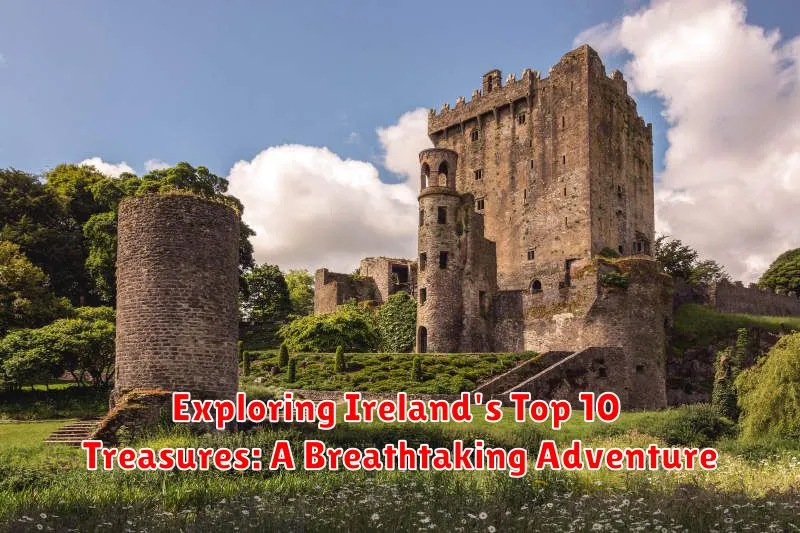
Welcome to the enchanting world of Ireland, where every corner hides a treasure waiting to be discovered. If you’re seeking an adventure that combines breathtaking landscapes, rich history, and vibrant culture, look no further. Our journey through Ireland’s top 10 treasures offers a feast for the senses and promises an unforgettable experience. Whether you’re a seasoned traveler or a first-time explorer, Ireland invites you to uncover its hidden gems and marvel at its stunning beauty.
As you embark on this journey, prepare to be captivated by the Emerald Isle’s lush green landscapes, legendary castles, and lively cities. Ireland is a country that effortlessly weaves ancient myths with modern charm, offering visitors a unique blend of past and present. Dive into the heart of this magical land to explore its ancient ruins, scenic coastlines, and bustling urban centers. Every destination on our top 10 list has its own story to tell, leaving you with memories to cherish long after your adventure ends. Join us as we unveil the magic of Ireland and explore its most treasured sites.
Cliffs of Moher
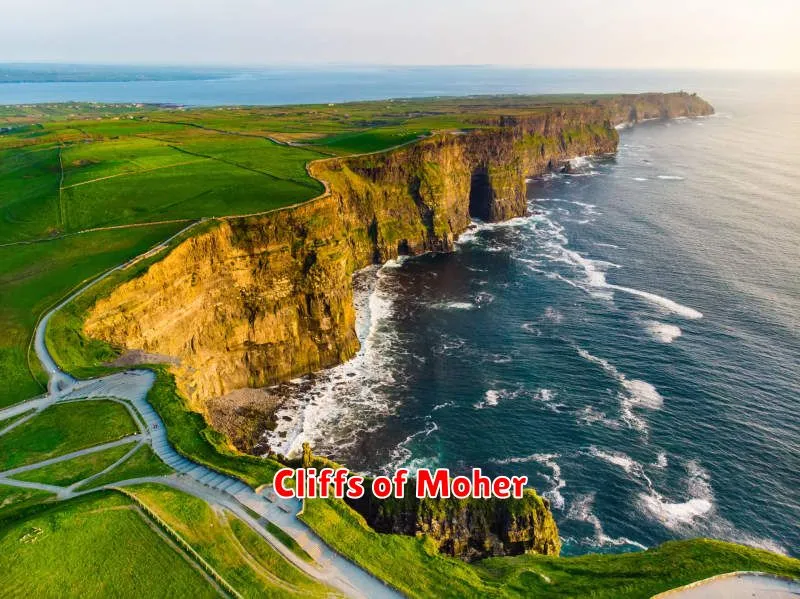
Perched majestically on the western coast of Ireland, the Cliffs of Moher are a natural wonder that leaves visitors utterly awestruck. Rising up from the Atlantic Ocean, these cliffs stretch for approximately 14 kilometers and reach heights of up to 214 meters, offering some of the most breathtaking views imaginable. The sense of serenity combined with the raw power of nature makes this an unmissable stop on any Irish adventure.
Immersive Visitor Experience
The Cliffs of Moher Visitor Experience, located at the iconic landmark, provides tourists with a comprehensive understanding of the geological, ecological, and cultural significance of the area. Carefully embedded into the landscape to maintain its natural beauty, this center includes interactive exhibits, a virtual reality cliff face, and a theater showcasing an informative documentary about the cliffs.
Enchanting Wildlife
Nature enthusiasts will delight in the diverse range of wildlife that calls the Cliffs of Moher home. From adorable puffins nesting in the crevices to the majestic peregrine falcons soaring overhead, the cliffs are a birdwatcher’s paradise. The area is also populated by a variety of plant species, adding color to the stunning panoramas.
Walking Trails and Views
Walking along the cliff edge paths offers unparalleled views of the Atlantic Ocean, Aran Islands, and even the distant mountains of Connemara. For those seeking a peaceful escape, the well-maintained trails provide an opportunity to immerse oneself in the serene beauty of Ireland’s west coast.
Quick Facts:
- Length: 14 km
- Height: Up to 214 meters
- Average Annual Visitors: Over 1 million
- Location: County Clare
Giant’s Causeway
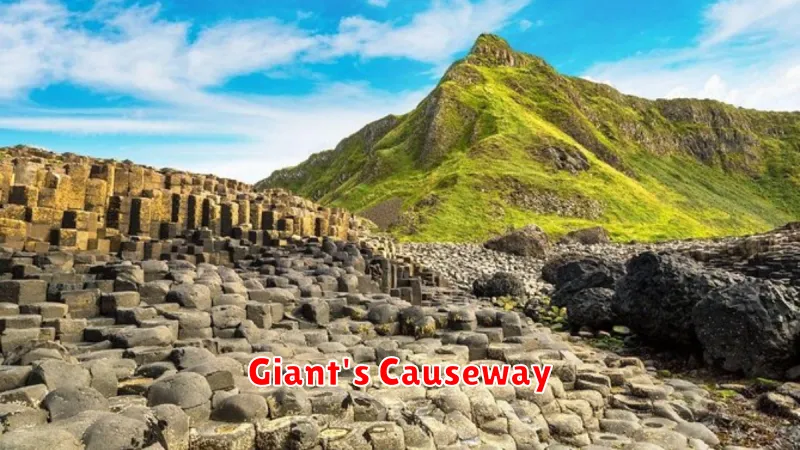
Journeying to the Giant’s Causeway means stepping into a realm of myth and geology. Nestled along the coast of Northern Ireland, this UNESCO World Heritage site is truly one of nature’s most remarkable wonders. It is known for its unique and enigmatic stone formations.
The Science behind the Stones
The Giant’s Causeway comprises approximately 40,000 interlocking basalt columns, the result of an ancient volcanic eruption. These columns, primarily hexagonal in shape, have sparked curiosity and awe among geologists and tourists alike. They stand as a testament to the earth’s dynamism and are a spectacular feature of the county Antrim coastline.
Legend of the Giants
The local legend tells a different story, weaving a tale of giants. According to folklore, the causeway was built by the Irish giant Finn MacCool as a bridge to face his Scottish rival, Benandonner. When Finn realized the immense size of his foe, he quickly retreated, tearing up the bridge behind him to avoid pursuit, leaving the causeway as it is today.
Visitor’s Experience
The sense of wonder that accompanies a visit to the Giant’s Causeway is heightened by its spectacular coastal scenery. Visitors can traverse the incredible landscape and explore various walking trails, from the gentle stroll of the blue trail to the more challenging red route.
- Tip: Be sure to wear sturdy walking shoes as the terrain can be slippery.
- Don’t Miss: The visitors’ center offers insights into the geological, historical, and mythological significance of this wonder.
| Feature | Details |
|---|---|
| Location | County Antrim, Northern Ireland |
| Geological Significance | Volcanic Basalt Columns |
| UNESCO Status | World Heritage Site |
Ring of Kerry
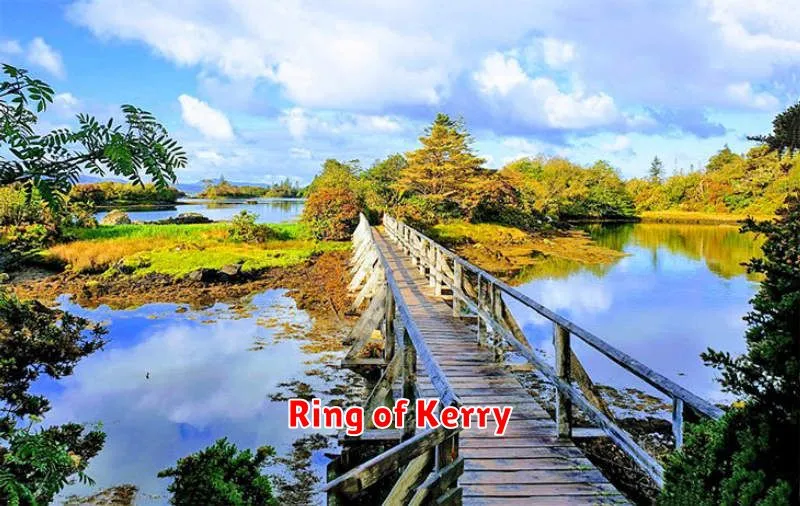
Welcome to the Ring of Kerry, a mesmerizing journey that unveils some of Ireland’s most breathtaking landscapes. This renowned circular route stretches for approximately 179 kilometers, offering an exploration of the majestic scenery in County Kerry. Whether you’re driving, cycling, or taking a comfortable bus tour, prepare yourself for an unforgettable adventure.
Highlights of the Ring
From picturesque villages to rugged coastlines, the Ring of Kerry is a tapestry of diverse attractions. Here are some highlights:
- Killarney National Park: Home to Ireland’s tallest mountain, Carrauntoohil, this park offers stunning views, serene lakes, and a variety of wildlife.
- Muckross House and Gardens: A Victorian mansion surrounded by magnificent gardens, ideal for a leisurely stroll.
- Skellig Michael: An isolated island featuring an ancient monastery, famed for being a filming location in the “Star Wars” series.
Tips for Your Journey
While the Ring of Kerry can be traveled in just one day, taking your time will allow you to fully appreciate its beauty. Consider spending several days to explore the various sites and towns along the way.
| Season | Highlights |
|---|---|
| Spring | Blooming wildflowers and cooler temperatures |
| Summer | Extended daylight hours and numerous festivals |
| Autumn | The landscapes painted with fall colors |
| Winter | Quieter roads and cozy village experiences |
Whether it’s witnessing the powerful waves crashing against the rocks or enjoying a peaceful picnic in the lush green landscapes, the Ring of Kerry promises an experience filled with natural wonders. So, pack your bags, and immerse yourself in a journey that captures the essence of Ireland’s stunning beauty.
Trinity College Library

Among the storied treasures of Ireland, the Trinity College Library stands as a beacon of knowledge and history. It’s not merely a library; it is a sanctuary of ancient wisdom nestled within the heart of Dublin. For anyone visiting Ireland, it’s an essential stop to witness one of the world’s most extensive collections of age-old manuscripts and books.
The Long Room: A Journey into the Past
At the heart of Trinity College Library is the Long Room, an iconic space that holds nearly 200,000 of the library’s oldest books. Spanning about 213 feet in length, this inspiring chamber is a testament to human intellectual endeavor throughout the centuries. Walking between the towering bookshelves, visitors are often left in awe of the sheer volume and antiquity of works preserved here.
Home to the Book of Kells
Yet, perhaps the most remarkable treasure within Trinity College Library is the Book of Kells. An illuminated manuscript created in the 9th century, it is widely regarded as a masterpiece of Western calligraphy. Its intricate artwork and lavish illustrations depict the four Gospels of the New Testament and draw visitors from across the globe.
Visiting Tips
- Arrive early in the day to avoid the crowds.
- Guided tours provide insightful commentary on the library’s vast collection and history.
- Do not miss the library’s exhibitions, which frequently showcase other rare documents and artifacts.
The Trinity College Library is much more than a repository of books; it’s an historic landmark that embodies the spirit of exploration and discovery, making it a quintessential part of any Irish adventure.
Blarney Castle
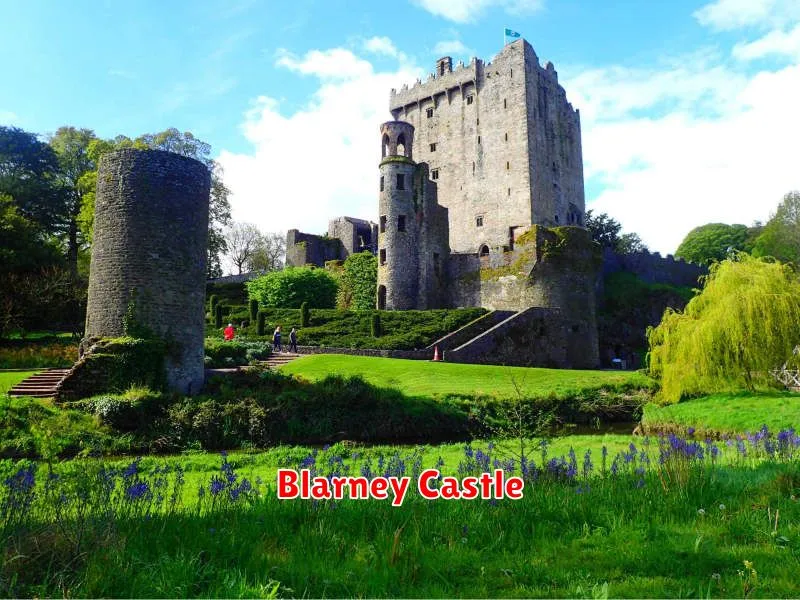
Perched on the scenic banks of the River Martin, Blarney Castle is one of Ireland’s most iconic landmarks. Located near the city of Cork, this medieval stronghold has been attracting visitors with its charming mystique and historical significance since the 15th century. Whether you’re a history buff or a nature lover, Blarney Castle offers a delightful blend of ancient architecture and lush landscapes.
The Blarney Stone
Perhaps the most famous feature of Blarney Castle is the Blarney Stone. According to legend, kissing this ancient limestone grants the gift of eloquence, often referred to as the “gift of gab.” Visitors from around the world climb to the castle’s battlements to partake in this beloved tradition. While the origins of the stone’s magical powers remain shrouded in mystery, the experience is a must-do for anyone visiting Ireland.
Enchanting Gardens
Beyond the stone, Blarney Castle boasts an array of enchanting gardens that offer a feast for the senses. The Poison Garden is particularly intriguing, featuring a collection of poisonous plants alongside their medicinal counterparts. Visitors can also explore the tranquil Rock Close, where ancient druidic tales come alive through formations like the Wishing Steps and Druid’s Circle.
| Nearby Attractions |
|---|
| Blarney Woollen Mills |
| Muskerry Golf Club |
| Toy Soldier Factory |
Whether you’re captivated by its storied past or its serene surroundings, Blarney Castle holds a special place in the hearts of those who visit. Every nook and cranny of this ancient edifice whispers tales of yore, making it a truly unforgettable part of any Irish adventure.
Kylemore Abbey
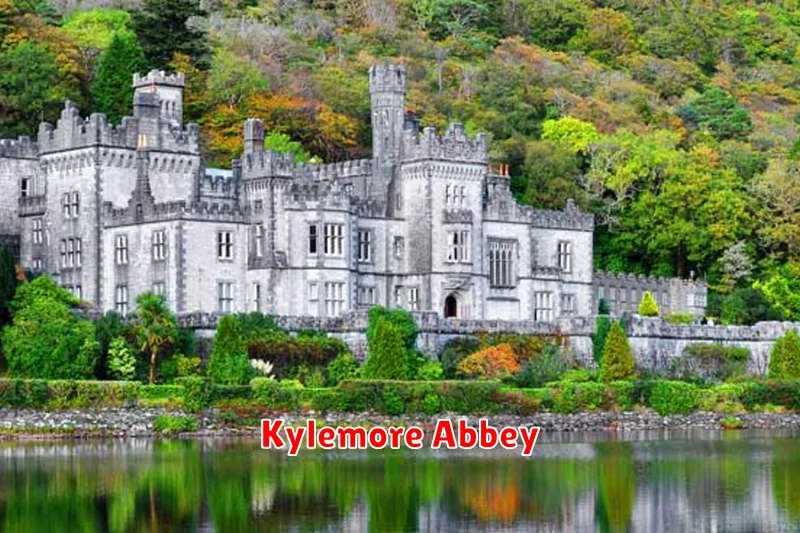
Nestled in the heart of the Connemara mountains in County Galway, Kylemore Abbey is a captivating site that draws visitors from all over the globe. Originally constructed as a private home by the wealthy politician Mitchell Henry in the late 19th century, this stunning abbey is surrounded by breathtaking natural beauty that perfectly complements its romantic architecture.
Historical Significance
The history of Kylemore Abbey is as fascinating as its picturesque setting. After Henry’s ownership, the Benedictine nuns fled here from Ypres, Belgium, during World War I, and it became a prestigious boarding school for girls for almost a century. This vibrant past contributes to the abbey’s aura, making it a living testament to Ireland’s rich and diverse history.
Architectural Beauty
The architecture of Kylemore Abbey is nothing short of remarkable. Designed in a Victorian neo-Gothic style, the abbey features stunning turrets and exquisite axial symmetry. Inside, the rooms are just as awe-inspiring, showcasing beautifully preserved details, from the ornate fireplaces to the finely crafted woodwork.
The Victorian Walled Garden
One of the highlights of visiting Kylemore Abbey is a stroll through the Victorian Walled Garden. Spanning six acres, this meticulously restored garden is divided into two sections, the formal flower garden and the kitchen garden. Each offers a unique glimpse into the horticultural practices of the Victorian era.
- What to See: The Gothic Church, Mausoleum, and woodland walks around the estate provide a deeper insight into the abbey’s allure.
- Ideal Visit Time: Spring or summer, when the gardens are in full bloom, offers a truly magical experience.
Visitor Experience
Today, Kylemore Abbey provides not just a window into the past, but also a recreational retreat for all ages. Visitors can enjoy a leisurely walk around the serene Pollacapall Lough, explore guided tours, or indulge in some delicious local delicacies at the abbey’s café. Whether you’re a history buff, an architecture enthusiast, or simply someone who loves exploring beautiful landscapes, Kylemore Abbey is a must-visit treasure on your Irish adventure.
Connemara National Park
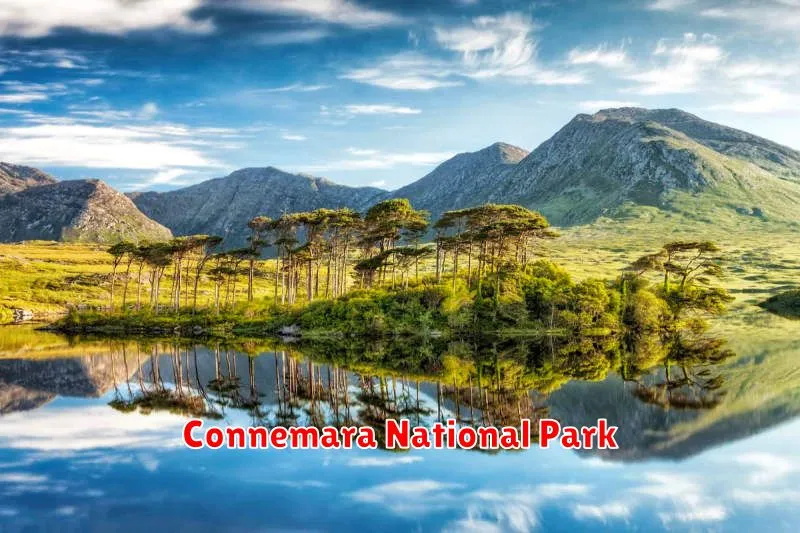
Nestled in the heart of County Galway lies the breathtaking Connemara National Park, a natural haven that perfectly captures the wild beauty of Ireland.
Scenic Landscapes
Encompassing around 2,000 hectares, this park is famed for its diverse landscapes which include rugged mountains, expansive bogs, heaths, and picturesque woodlands. Visitors can revel in the vistas of the Twelve Bens mountain range, a favorite among hikers and nature lovers.
Rich Flora and Fauna
Connemara National Park is a sanctuary for a wide array of flora and fauna. Wildlife enthusiasts can spot red deer, native Connemara ponies, and a variety of bird species including peregrine falcons and skylarks.
Trail Adventures
The park offers several trails for all levels of hikers, ranging from a simple nature walk to a challenging trek up Diamond Hill. Each path unveils stunning views and the chance to encounter the park’s natural residents.
Popular Trails:
- Nature Trail: 0.5 km, easy
- Ellis Wood Nature Trail: 1.5 km, moderate
- Lower Diamond Hill Walk: 3 km, moderate
- Upper Diamond Hill Walk: 7 km, strenuous
The visitor center provides educational exhibits about the park’s geology, natural history, and human impact, enhancing the experience for those eager to learn more about this Irish treasure.
Aran Islands
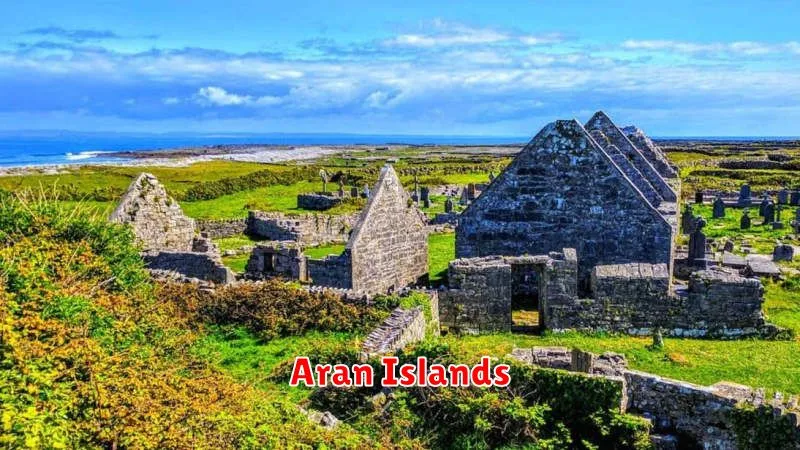
Embark on an enchanting journey to the Aran Islands, a constellation of three islands nestled off the west coast of Ireland. Known for their breathtaking landscapes and rich cultural heritage, these islands offer a peaceful retreat from the bustling modern world.
Inis Mór – The Largest Island
Begin your island adventure on Inis Mór, the largest of the three. Here, you’ll discover the iconic Dún Aonghasa, a prehistoric fortress that perches on the edge of a 100-meter high cliff. The views from this vantage point are nothing short of spectacular, offering a panoramic sweep of the Atlantic Ocean that will leave you spellbound.
Inis Meáin – A Cultural Haven
Next, visit Inis Meáin, a more secluded island that provides a genuine taste of traditional Irish life. With its limited population, the island maintains a strong sense of Gaelic culture, allowing visitors to truly immerse themselves in authentic local traditions.
Inis Oírr – A Picturesque Gem
Finally, venture to Inis Oírr, the smallest and most picturesque of the Aran Islands. Its sandy beaches and clear blue waters offer a serene backdrop for exploration. The island is adorned with quaint stone cottages and vibrant wildflowers, making it a perfect spot for nature enthusiasts and photographers alike.
Getting Around
Traveling between the islands is an adventure in itself. Bicycles and walking are the preferred modes of transportation, allowing you to soak in the stunning surroundings at your own pace. Ferries frequently connect the islands with the mainland, ensuring you can easily navigate this captivating archipelago.
What to Bring
- Comfortable walking shoes
- Weather-appropriate clothing for Ireland’s unpredictable climate
- Camera to capture the scenic views
- A sense of adventure and curiosity
Dublin Castle
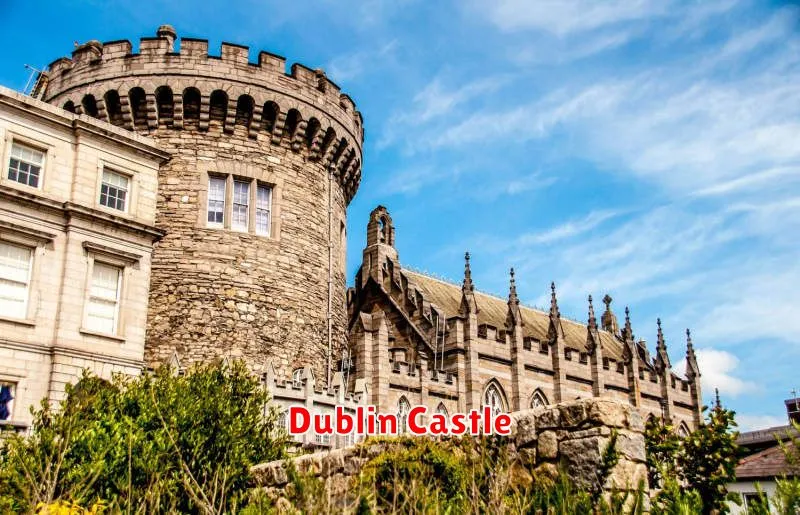
If you’re venturing through the heart of Dublin, the iconic Dublin Castle is an unmissable stop on your Irish adventure. Steeped in centuries of rich history, this landmark is a testament to the fascinating tales that span back to its establishment in the early 13th century.
A Historical Overview
Originally constructed as a defensive fortification during the Norman rule, Dublin Castle has evolved through the ages. The buildings and gardens witnessed pivotal moments, shaping the course of Irish history. The castle served as the seat of the British administration in Ireland until 1922, which makes it a crucial site for understanding Ireland’s path to independence.
Architectural Marvels
Dublin Castle is a blend of architectural styles that have been layered over time. The medieval tower forms the core of the structure, but as you explore further, you will find the Georgian era’s mark with elegant state apartments and splendid rooms. Each corner of the castle offers a story, with the Chapel Royal standing out for its Gothic revival style and intricate wooden carvings.
Interesting Facts
- The castle covers an area of approximately 11 acres.
- The Records Tower is the oldest surviving part of the castle, dating back to the 13th century.
- The original Viking settlement, known as Dubh Linn, lies beneath the present castle complex.
Current Use
Today, Dublin Castle is not just a preserved relic of the past. It serves as a government complex and is frequently used for state events, including inaugurations of Irish presidents and European Union meetings. This blend of historical and modern uses make it a dynamic part of Dublin’s landscape.
Whether you’re a history enthusiast or just looking to immerse yourself in Ireland’s vibrant past, Dublin Castle provides an unparalleled experience with each visit. Its walls echo the mingling tales of power, politics, art, and culture that form the core of Ireland’s journey.
Rock of Cashel
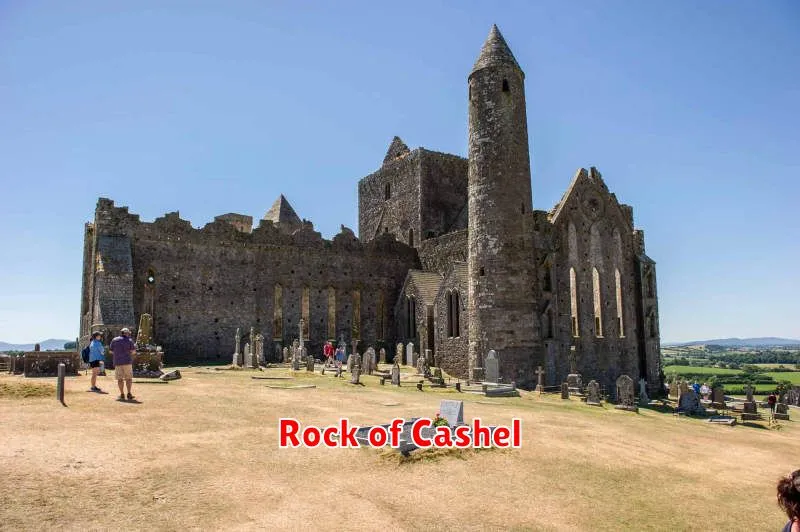
Nestled majestically in the heart of County Tipperary, the Rock of Cashel stands as a monument to Ireland’s storied past. This historic site, known as St. Patrick’s Rock, is more than just an ancient fortification; it is a symbol of Ireland’s intricate tapestry of myths, legends, and history.
A Glimpse Into the Past
Dating back to the 4th century, the Rock of Cashel has been a center of power and religion. It served as the seat of the kings of Munster until it was gifted to the Church in 1101 by Muirchertach Ua Briain. Over time, it evolved into a site of ecclesiastical significance, with breathtaking structures such as the Cathedral soaring over the town below.
Structural Highlights
- Round Tower: This 28-meter tall tower, dating from the 12th century, is the oldest and one of the most impressive structures on the site.
- Cormac’s Chapel: Completed in 1134, this is an exceptional example of Romanesque architecture and features the earliest known frescoes in Ireland.
- High Cross and Graveyard: These offer a unique insight into medieval Irish spirituality and craftsmanship.
Visitor Experience
Visiting the Rock of Cashel is an immersive journey. As you wander through its ancient halls and evocative ruins, you’ll be greeted by sweeping vistas of the countryside. The site’s deeply rooted history enriches the experience, leaving visitors with a sense of awe and understanding of Ireland’s rich cultural heritage.
Quick Facts
| Feature | Description |
|---|---|
| Location | County Tipperary, Ireland |
| Notable Structures | Cathedral, Round Tower, Cormac’s Chapel |
| Historical Significance | Seat of the Kings of Munster, Important religious site |
| Built | 4th to 12th Century |
So if wandering through dusty corridors of time and unraveling tales of ancient dynasties is your idea of a perfect day, the Rock of Cashel invites you to delve into its mystical charm. Whether you are a history aficionado or a seeker of beauty, this site holds countless treasures waiting to be discovered.
