
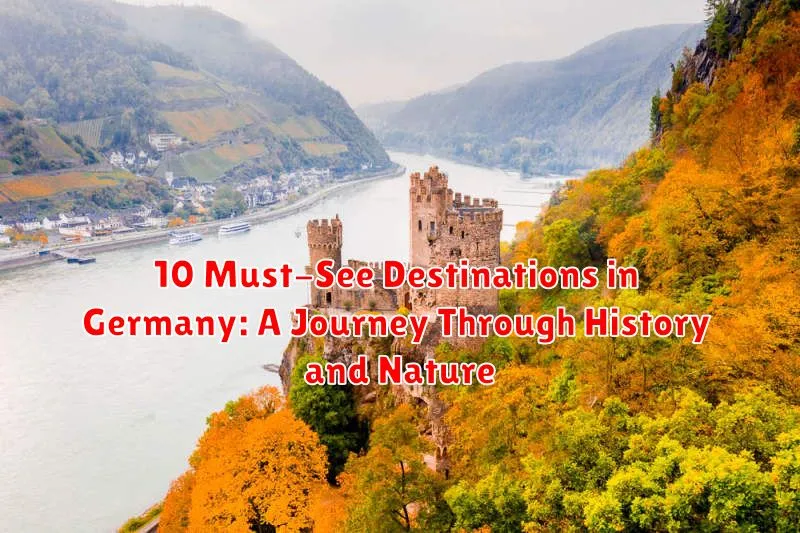
Exploring Germany’s awe-inspiring landscapes and rich heritage is a journey like no other. From the majestic peaks of the Bavarian Alps to the serene beauty of the Black Forest, this diverse country offers something for every traveler. In this article, we unveil the 10 must-see destinations in Germany that promise an unforgettable blend of history and nature. Whether you’re a history buff eager to walk through time or a nature enthusiast in search of breathtaking vistas, Germany awaits with unparalleled experiences.
Germany is a land that effortlessly marries the past with the present. In iconic cities such as Berlin and Munich, vibrant culture thrums against a backdrop of historical landmarks and architecture. As you wander through picturesque villages and lush countryside, each stop offers a unique glimpse into the country’s storied past and vibrant present. Embarking on this journey ensures an enriching experience that highlights the cultural richness and natural beauty ingrained in Germany’s heart. So pack your bags and prepare to be captivated by the wonders that this European gem has to offer.
Brandenburg Gate
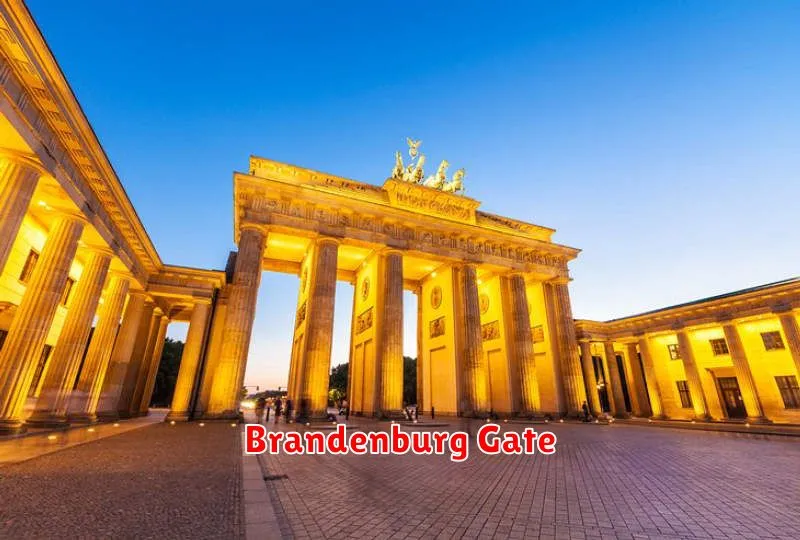
The Brandenburg Gate is one of Germany’s most iconic landmarks, standing majestically at the end of Unter den Linden, a grand boulevard in Berlin’s city center. Built in the late 18th century, it has witnessed a multitude of historical events, from royal processions to revolutionary movements.
A Symbol of Unity and Peace
Originally constructed by order of King Frederick William II of Prussia, the Brandenburg Gate was designed by architect Carl Gotthard Langhans. With its neoclassical design, the gate was meant to be a symbol of peace. Remarkably, its significance evolved over the centuries, transforming from a symbol of division during the Cold War to one of unity after the fall of the Berlin Wall in 1989.
Architectural Details
The gate is 26 meters high and features 12 Doric columns that form five passageways, of which the central one was reserved for royal use. The magnificent statue that crowns the gate is a quadriga, depicting the goddess Victoria driving a chariot pulled by four horses.
Historical Timeline
- 1788-1791: Construction of the Brandenburg Gate
- 1806: Napoleon Bonaparte captures Berlin and takes the quadriga to Paris.
- 1814: After Napoleon’s defeat, the quadriga is returned and Victoria is adorned with the Iron Cross.
- 1961-1989: The gate is the iconic symbol of the divided Berlin.
- 1989: The fall of the Berlin Wall transforms the gate into a symbol of a reunited Germany.
Today, the Brandenburg Gate continues to be a powerful emblem of German unity and strength. It is a must-visit for anyone interested in Germany’s rich history and architectural beauty.
Neuschwanstein Castle
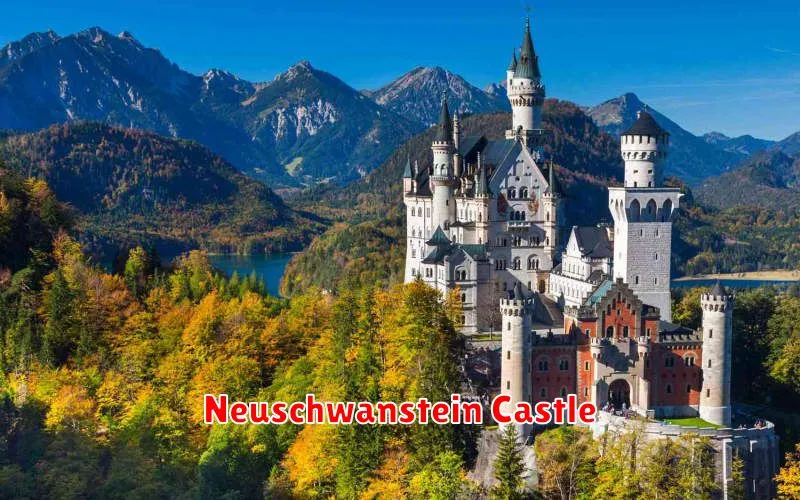
The enchanting Neuschwanstein Castle stands as a testament to the romantic idealism and whimsical architecture that marked King Ludwig II of Bavaria’s reign. Perched majestically atop a rugged hill in the picturesque region of Bavarian Alps, this fairy-tale-like castle is an essential stop for any traveler exploring Germany.
Architectural Marvel
Designed by Christian Jank, a theatrical set designer, Neuschwanstein was intended to be a retreat and homage to the compositions of Richard Wagner. Its construction began in 1869 and, though never fully completed, it showcases a stunning array of romantic and Gothic Revival styles. The castle’s white limestone façade and lofted towers seem to emerge directly from the pages of a storybook.
Inside the Castle
The castle’s interior does not disappoint, with opulent rooms intricately decorated with murals and sculptures inspired by Wagner’s operas. Highlights include the Throne Hall and the Singer’s Hall, both displaying extravagant artistry and craftsmanship. Visitors are transported into a world of fantasy and legend that reflects the cultural milieu of 19th-century Germany.
Key Facts About Neuschwanstein Castle
| Fact | Detail |
|---|---|
| Location | Bavarian Alps, near Füssen |
| Construction Started | 1869 |
| Architectural Style | Romanesque Revival |
| Famous For | Inspiration for Disney’s Sleeping Beauty Castle |
Aside from its architectural allure, Neuschwanstein is enveloped by lush forests and pristine lakes, offering hiking trails and panoramic views. The castle has become one of Germany’s most visited tourist attractions, drawing millions of visitors each year eager to peek into the mind of Bavaria’s fairy-tale king and bask in the otherworldly beauty of his creation.
Cologne Cathedral
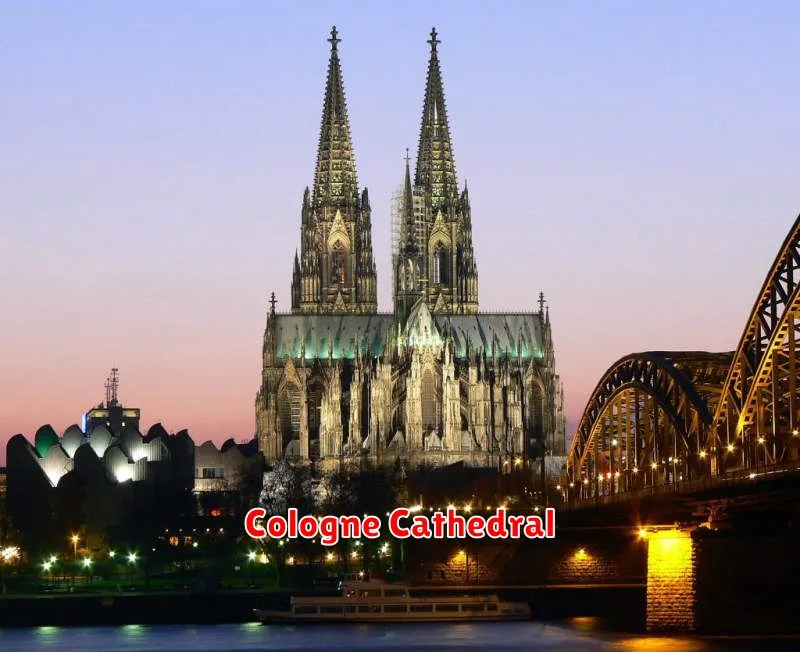
Standing as a majestic symbol of Gothic architecture, the Cologne Cathedral (Kölner Dom) is truly one of Germany’s most awe-inspiring landmarks. This cathedral, with its twin spires reaching toward the sky, holds the distinction of being the second tallest in Europe, demonstrating a remarkable feat of engineering and artistry.
Historical Significance
Construction of the cathedral began in the year 1248 and was not completed until 1880, a staggering period of more than 600 years. This prolonged construction miraculously preserved the Gothic style that defines its stunning structure today. It was built to house the relics of the Three Kings, bestowed upon the city by Holy Roman Emperor Frederick Barbarossa.
Architectural Marvel
The cathedral’s facade is embellished with intricate sculptures and carvings, while the interior houses some of the most beautiful pieces of stained glass, which filter a kaleidoscope of light into the expansive nave. Visitors can experience the grandeur of the cathedral from within or climb the 533 steps to the top of the south tower for a breathtaking view of Cologne and the Rhine River.
Fun Facts about Cologne Cathedral
- It was the tallest building in the world upon its completion in 1880.
- The cathedral survived seventy bomb hits during World War II, largely due to its sturdy construction.
- The cathedral is part of the UNESCO World Heritage Site since 1996.
A visit to Cologne Cathedral is not just a journey through centuries of religious and architectural history but also an opportunity to witness an enduring masterpiece that stands as a testament to human perseverance and devotion.
Black Forest
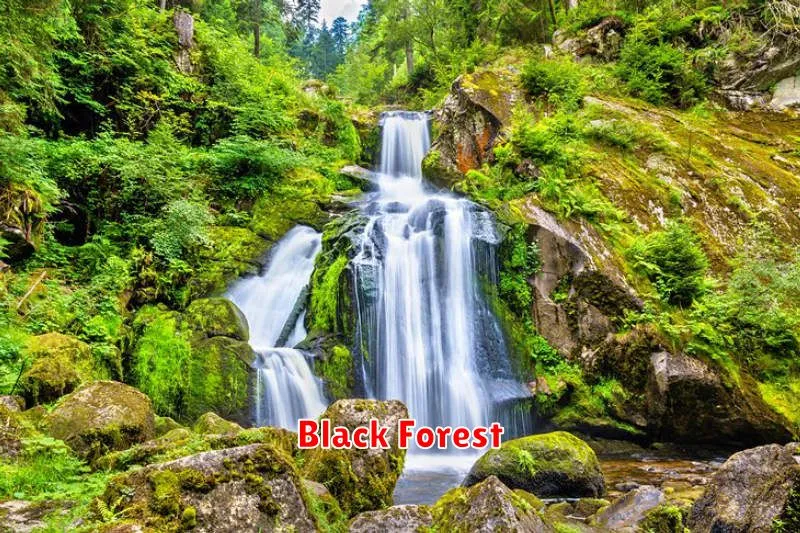
The Black Forest, or Schwarzwald as it’s known in German, is a magical region in the southwest of Germany. Known for its dense woods and serene landscapes, it’s an area where myths come to life. Particularly famous for its enchanting beauty, this area offers a symphony of nature that will leave visitors enchanted.
Highlights of the Black Forest
The expansive stretches of forest offer numerous hiking trails, with each path leading you deeper into the heart of nature. Discover picturesque villages with charming half-timbered houses that look as if they’ve been lifted straight out of a fairy tale.
A standout feature of the Black Forest is the Triberg Waterfalls, among the highest in Germany, cascading majestically in the midst of lush greenery. Alongside, the Cuckoo Clocks—a quintessential symbol of this region—are a must-see, showcasing intricate craftsmanship.
Cultural Delights
Don’t miss indulging in the local delicacy, the Black Forest Cake, famous worldwide for its decadent layers of chocolate, cherries, and cream. The mysterious region also offers a blend of therapeutic spa towns, like Baden-Baden, appealing to those seeking relaxation and rejuvenation, providing an ambiance of tranquility.
Visitor Information
- Best Time to Visit: Spring (April to June) and Autumn (September to October) for pleasant weather and fewer crowds.
- Major Towns: Freiburg, Baden-Baden, and Triberg.
- Activities: Hiking, cycling, tasting local cuisine, and visiting traditional markets.
The Black Forest is more than just a travel destination—it’s a journey through time and nature. Whether you’re seeking adventure, culture, or simply a retreat from the hustle and bustle of city life, this region offers something for everyone.
Romantic Rhine
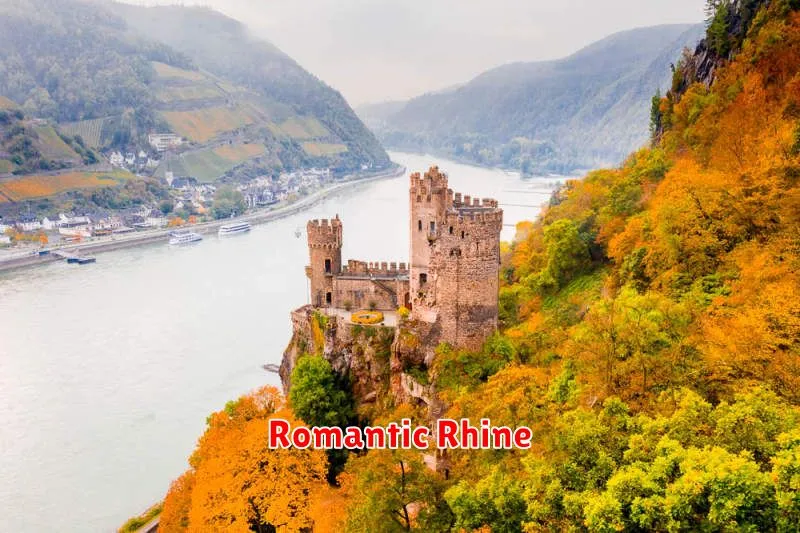
Nestled in the heart of Germany, the Romantic Rhine is a picturesque stretch of the river Rhine, renowned for its striking landscapes and charming villages. This region captures the essence of a storybook setting, adorned with medieval castles and lush vineyards.
Explore the Enchanting Castles
The Romantic Rhine boasts over 40 castles and fortresses along its banks. Each castle tells a unique story from Germany’s past. You might visit the Marksburg Castle, one of the most well-preserved castles, or the Rheinfels Castle, offering a glimpse into medieval fortress life.
Experience the Quaint Villages
As you journey through this region, you’ll encounter quaint villages that seem frozen in time. Towns like Bacharach and Oberwesel display traditional German half-timbered houses, cobbled streets, and friendly locals that make every visit memorable.
Savor the Local Flavors
The Romantic Rhine is not just visually stunning but also a haven for wine lovers. This area is famous for its Riesling wines, nurtured by the region’s ideal climate and rich soil. Wine tastings in Rheingau or Mittelrhein are a must-try for any enthusiast.
| Highlight | Description |
|---|---|
| Castles | Marksburg, Rheinfels |
| Villages | Bacharach, Oberwesel |
| Wine | Riesling |
The Romantic Rhine region is a testament to Germany’s historical and natural beauty, making it a must-see destination for travelers seeking both history and charm.
Berlin Wall Memorial
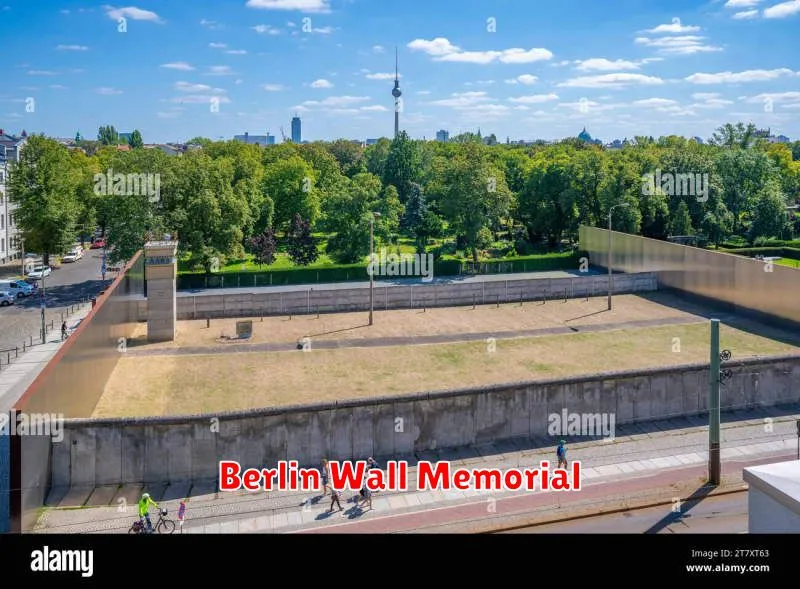
The Berlin Wall Memorial stands as a poignant reminder of Germany’s turbulent past, offering visitors a deep dive into the Cold War era. It is a place where history resonates with every step you take. Built during the height of tensions between East and West Germany, the Wall separated families and served as a stark emblem of the Iron Curtain that once split Europe.
History and Significance
The Berlin Wall was erected in 1961 and stood until 1989, stretching over 140 kilometers. It physically divided Berlin into East and West for nearly three decades. Today, the Memorial captures the powerful history and the human stories associated with this division.
What to See
- The Bernauer Strasse segment of the Wall serves as the central location of the Memorial site. Here, original sections of the Wall remain intact, providing an authentic glimpse into history.
- The Documentation Center offers detailed exhibits, personal accounts, and multimedia presentations that chronicle life behind and in front of the Wall.
- The Chapel of Reconciliation stands on the site of a church that was destroyed to make way for the Wall, symbolizing hope and peace in a once-divided city.
Visitor Information
When planning a visit, it’s essential to allocate a few hours to fully experience the site’s exhibitions and outdoor installations. The Memorial is open year-round and provides guided tours for those who wish to gain a deeper understanding through expert narratives.
The Berlin Wall Memorial is not just a historical site but a place for reflection and education, offering profound insights into human resilience and the quest for freedom.
Miniatur Wunderland: Where Imagination Meets Reality
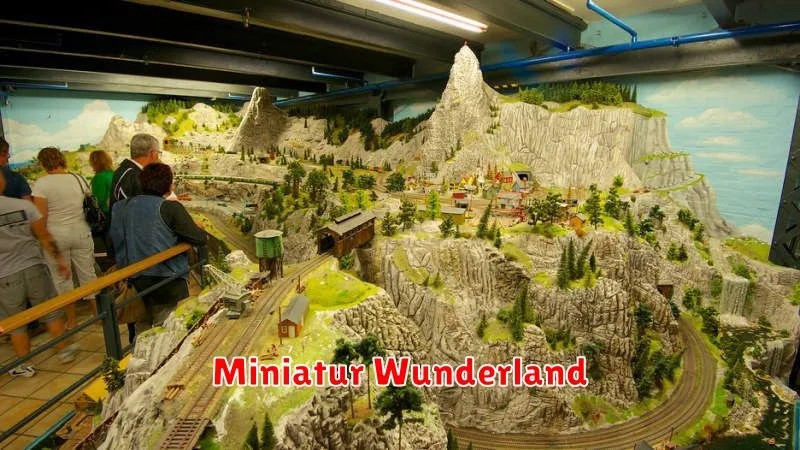
Welcome to Miniatur Wunderland, the world’s largest model railway exhibition, located in the vibrant city of Hamburg, Germany. This intricate masterpiece is not just a display of miniature trains, but a sprawling universe that captivates the imagination of visitors of all ages.
A World in Miniature
At Miniatur Wunderland, dozens of sceneries from around the globe are meticulously re-created in stunning detail. From the bustling streets of Las Vegas to the majestic landscapes of the Swiss Alps, every scene is a testament to remarkable craftsmanship. Over 1,500 square meters of exhibition space houses thousands of tiny figures, vehicles, and buildings, brought to life with stunning LED lighting and dynamic animations.
Highlights of Miniatur Wunderland
- Knuffingen Airport: An impressive replica of an international airport featuring taxiing planes and bustling terminals.
- Scandinavia Section: Depicting the breathtaking landscapes of the north, complete with fjords and snowcapped mountains.
- Hamburg Harbor: A recreation of the famous port city with ships navigating through intricate waterways.
With construction that began in 2000, Miniatur Wunderland is an ever-growing project, constantly expanding with new worlds and endless possibilities. It’s a place where history, culture, and imagination blend seamlessly to create a living, breathing miniaturized universe.
| Feature | Details |
|---|---|
| Track Length | 15,400 meters |
| Trains | Over 1,040 running trains |
| Structures | More than 4,000 |
| Miniature Figures | Over 260,000 |
Whether you’re an avid train enthusiast or simply someone who appreciates craftsmanship, Miniatur Wunderland offers a unique and magical journey through its meticulously created worlds, sure to leave you inspired and amazed.
Rothenburg ob der Tauber
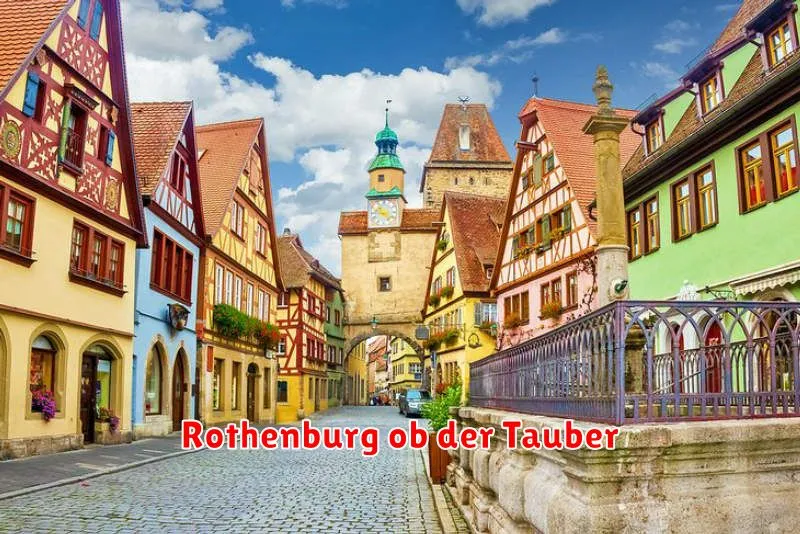
Stepping into Rothenburg ob der Tauber is like stepping into a fairytale. This meticulously preserved medieval town, nestled in the heart of Bavaria, is a quintessential destination for those looking to immerse themselves in Germany’s rich tapestry of history. Wander through cobblestone streets lined with half-timbered houses that seem to defy the passing of time.
A Walk Through History
The town’s origins date back to 1274, a vibrant echo of its past prosperity can still be felt today. Visitors are encouraged to explore the town’s historic city walls, which still encircle Rothenburg as they did centuries ago. You can even ascend to walk along some sections of these ancient fortifications, providing unique views over the town and surrounding countryside.
Must-Visit Sites
- St. Jakob’s Church — Home to the masterpiece wood carving by Tilman Riemenschneider, the Holy Blood altarpiece.
- The Town Hall — A magnificent building showcasing the legacy of Gothic, Renaissance, and Baroque architectural styles.
- The Medieval Crime Museum — Offering a fascinating glimpse into the legal and criminal history of the Middle Ages.
Seasonal Delights
Planning your visit during the holiday season? The Rothenburg Christmas Market transforms the town square into a winter wonderland, offering traditional foods, handcrafted gifts, and an atmosphere of festive cheer. Don’t miss the “Reiterlesmarkt,” a beloved tradition unique to Rothenburg.
Quick Fact
| Aspect | Details |
|---|---|
| Region | Bavaria |
| Famous For | Half-timbered houses, City Walls |
| Main Attraction | Medieval architecture, Christmas Market |
Whether you’re an avid history buff, a lover of architecture, or someone seeking the charm of cobbled streets, Rothenburg ob der Tauber offers an unforgettable experience of timeless beauty and heritage.
Zugspitze
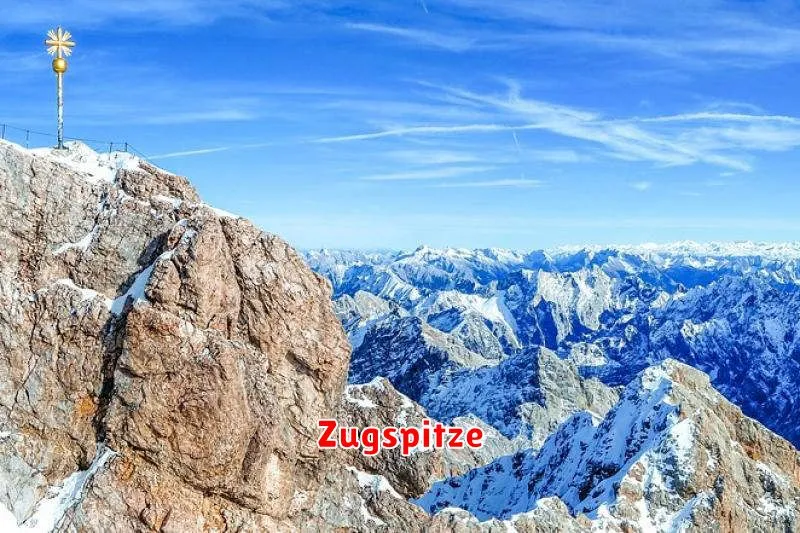
Standing tall as the highest peak in Germany, Zugspitze offers an unparalleled experience for nature lovers and adventure seekers. Towering at approximately 2,962 meters, this magnificent peak is located on the border between Germany and Austria and is part of the Bavarian Alps.
Reaching the Summit
There are several ways to reach the summit of Zugspitze. For those who relish every moment of the journey, a challenging hike through scenic trails is available. Alternatively, the more relaxing path involves a ride on the Bavarian Zugspitze Railway or the modern cable cars that whisk visitors to the top with ease, offering spectacular views along the way.
Activities at the Summit
At the summit, visitors can immerse themselves in the breathtaking 360-degree panorama that spans across four countries—Germany, Austria, Switzerland, and Italy. The platform provides a perfect spot for snapping photos or simply soaking in the views. During the winter months, the Zugspitze also becomes a haven for ski enthusiasts, boasting some of the best ski slopes in the region.
Quick Facts
| Feature | Details |
|---|---|
| Height | 2,962 meters |
| Location | Bavarian Alps |
| Activities | Hiking, Skiing, Sightseeing |
Dining with a View
After a day of exploration, indulge in a meal or refreshing drink at one of the restaurants located at the summit. The culinary offerings range from traditional Bavarian dishes to international cuisine. Savor each bite while enjoying the serene ambiance and majestic views that surround you.
Whether you’re a thrill-seeker or someone seeking solace in the natural world, Zugspitze promises an experience that is both awe-inspiring and unforgettable.
Königssee
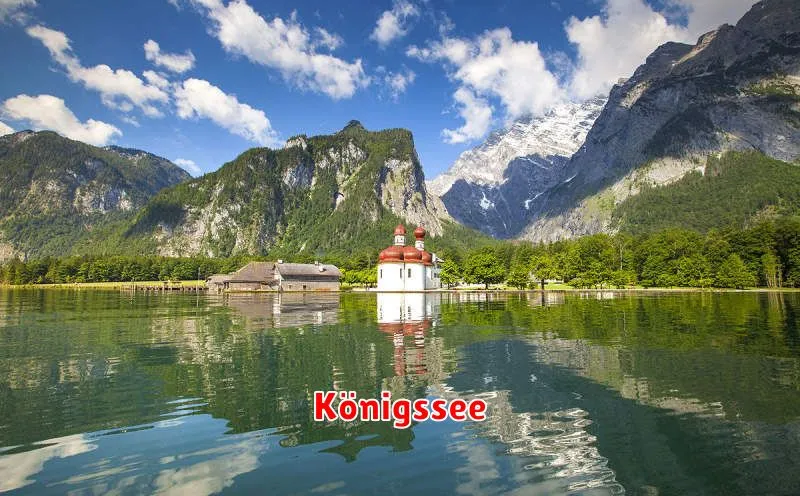
Tucked away in the Bavarian Alps, Königssee is a picturesque alpine lake that epitomizes the stunning natural beauty of Germany. Often referred to as the “King’s Lake,” it is renowned for its emerald green waters surrounded by steep mountains, making it a sought-after destination for nature lovers.
One of the most fascinating features of Königssee is its exceptional clarity. Thanks to strict environmental measures, the lake has maintained its pristine condition, allowing tourists to witness its brilliance and depth.
Exploration by Boat
Visitors can embark on a serene boat trip, which is the best way to truly appreciate the lake’s grand scale. The boat glides silently over the water, powered by electric motors to preserve the tranquility and minimize environmental impact. En route, you’ll hear the famous echo demonstration, an unforgettable experience that resonates with the surrounding cliffs.
St. Bartholomew’s Church
The boat journey usually includes a stop at St. Bartholomew’s Church, a quaint pilgrimage destination notable for its charming red onion domes and a history dating back to the 12th century. Nestled against the backdrop of the Watzmann mountain, it is a place of peace and reflection.
Hiking Opportunities
Surrounding the lake, numerous trails offer enticing routes for hikers and outdoor enthusiasts. Whether you are a casual walker or a seasoned trekker, the paths range from leisurely strolls to challenging ascents. Popular trails include the hike to Obersee Lake and the energetic route up to the Eiskapelle, an ice chapel formed by a glacier.
Quick Facts
- Location: Berchtesgadener Land, Bavaria
- Length: 7.7 kilometers
- Depth: 190 meters
- Notable Stops: St. Bartholomew’s Church, Eiskapelle
With its unspoiled environment and ethereal beauty, Königssee presents a perfect combination of peaceful exploration and exhilarating adventure, making it a must-visit spot for anyone touring Germany.
