
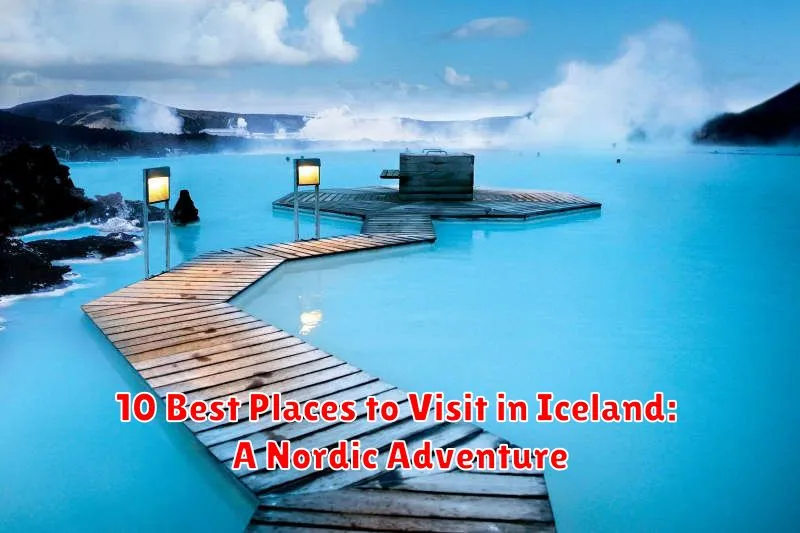
Iceland, an island of breathtaking landscapes and remarkable *natural wonders*, stands as a dream location for countless *travel enthusiasts*. From the powerful, churning waterfalls to the mysterious *lava fields*, Iceland offers a diverse and unforgettable Nordic adventure. If you’re looking to explore a place where *fire and ice* coexist harmoniously, then this Nordic island should be at the top of your list. Each destination on this list boasts unique scenery that will leave you in awe, making it an Instagram-worthy journey filled with *majestic landscapes* and *enchanting vistas*.
Embarking on a trip to Iceland is like stepping into another world; its vast and rugged terrain has a surreal, almost otherworldly beauty. Here, you will discover the allure of the famous *Golden Circle*, marvel at the *Northern Lights*, and bathe in the renowned *Blue Lagoon*. Our list of the 10 Best Places to Visit in Iceland will help you explore the country’s top destinations and hidden gems, taking you on an unforgettable journey through the ultimate Nordic paradise. Whether you’re an adventure seeker or a relaxation enthusiast, Iceland promises an experience you’ll treasure forever.
Blue Lagoon
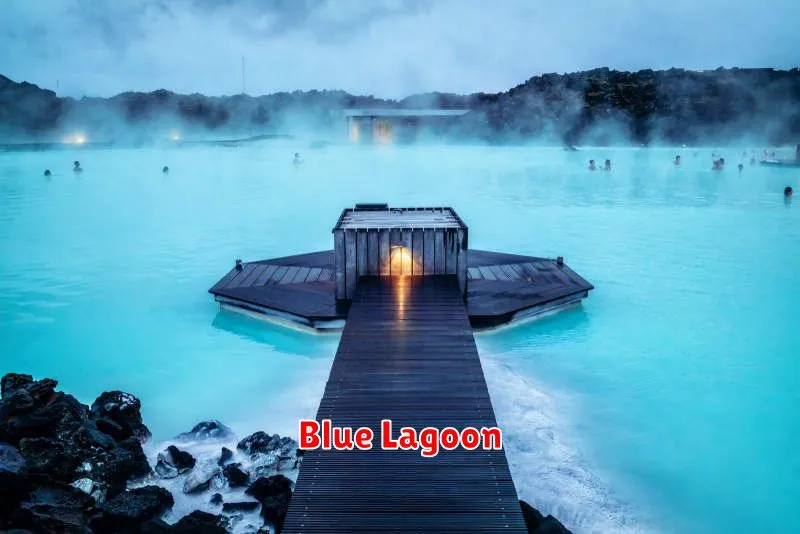
Located in the heart of a lava field on the Reykjanes Peninsula, the Blue Lagoon is one of Iceland’s most iconic geothermal spas. It’s famous for its ethereal blue waters that are rich in minerals like sulfur and silica, believed to have healing properties for various skin conditions. Set against a backdrop of volcanic rocks and endless skies, it’s a surreal and therapeutic experience that’s second to none.
What to Expect
- Warm waters with temperatures averaging 37-39°C (98-102°F).
- Various spa treatments, including algae masks and massages.
- Luxe facilities such as saunas and steam rooms embedded in the surrounding rocks.
Visitors to the Blue Lagoon can spend time unwinding in the soothing waters while enjoying the majestic volcanic landscapes that surround them. After all, what could be more rejuvenating than soaking in naturally heated waters amidst some of Iceland’s most stunning scenery?
When to Visit
The Blue Lagoon is open year-round, but for the most magical experience, visit during the winter months. Imagine soaking in warm waters while snow gently falls around you, or witnessing the Aurora Borealis dance above the lagoon—a truly once-in-a-lifetime phenomenon!
Due to its popularity, it’s highly recommended to book in advance. Whether you plan to spend just a few hours or the whole day here, the Blue Lagoon promises an enriching experience that will remain etched in your memory.
Golden Circle
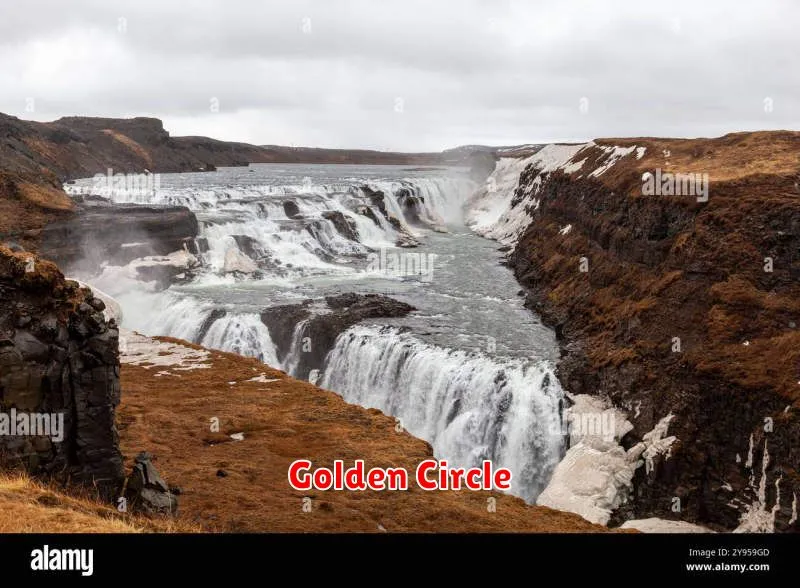
Iceland’s Golden Circle is a must-see route that guides you through some of the country’s most awe-inspiring attractions. This iconic loop is often the first adventure that travelers embark on when exploring Iceland, thanks to its convenient proximity to Reykjavik and its stunning array of natural wonders.
Highlights of the Golden Circle
- Þingvellir National Park – A UNESCO World Heritage site, it is famous for its fascinating geology and its cultural significance as the original site of Iceland’s parliament established around 930 AD.
- Geysir Geothermal Area – Witness the power of the earth as geysers explode into the sky, with the most famous being Strokkur, which erupts every few minutes.
- Gullfoss Waterfall – Known as the “Golden Falls,” this breathtaking waterfall cascades into a rugged canyon, offering an unmissable sight and a dramatic example of Iceland’s natural beauty.
The Golden Circle is accessible year-round, though each season provides a unique experience. In summer, you might enjoy the lush landscapes and midnight sun, whereas, in winter, the snow-clad scenery and a chance to see the Northern Lights make it an equally enticing circuit.
Travel Tips for the Golden Circle
Plan your visit: This tour can be easily accomplished as a day trip from Reykjavik, but take your time to truly appreciate each stop. Consider hiring a guide to enrich your visit with tales of history and geology.
Dress accordingly: Icelandic weather is famously unpredictable, so dress in layers and always prepare for potential rain or cold, particularly near the waterfalls or geysers.
Estimated Travel Time
| Attraction | Distance from Reykjavik | Approximate Time Spent |
|---|---|---|
| Þingvellir National Park | 40 km | 2-3 hours |
| Geysir Geothermal Area | 100 km | 1-2 hours |
| Gullfoss Waterfall | 113 km | 1-2 hours |
Traveling the Golden Circle will undoubtedly captivate you with its dynamic landscapes and vibrant history, offering a truly memorable experience of Iceland’s rich heritage and natural splendor.
Reykjavik
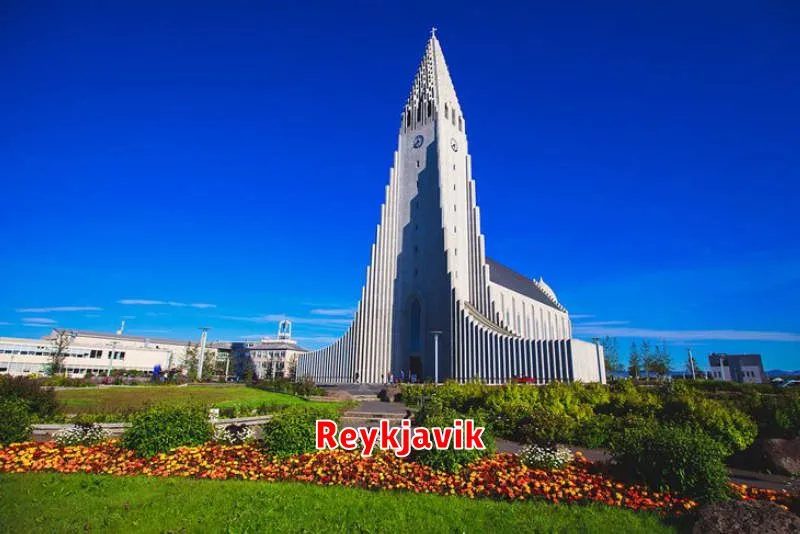
Welcome to Reykjavik, the vibrant capital of Iceland and a hub of culture and history! Nestled by the sea and surrounded by majestic mountains, Reykjavik offers a unique blend of urban charm and natural beauty.
A City Rich in Culture
Reykjavik is renowned for its thriving art scene and lively cultural offerings. The city is home to numerous galleries, theaters, and museums, such as the enchanting Harpa Concert Hall and the iconic Sun Voyager sculpture. Visitors can immerse themselves in the rich history of Iceland at the National Museum or explore contemporary art at the Reykjavik Art Museum.
Gastronomic Delights
Food lovers will find Reykjavik a culinary delight. The city is bursting with a variety of restaurants and cafes offering traditional Icelandic dishes, as well as international cuisine. Don’t miss the chance to try local favorites such as Skyr and freshly caught seafood.
| Activity | Location | Recommended Time |
|---|---|---|
| Visit Harpa Concert Hall | Harpa, Reykjavik | Morning/Afternoon |
| Explore Sun Voyager | Sæbraut Road | Afternoon |
| Dine Local Cuisine | Downtown Reykjavik | Evening |
Nightlife and Entertainment
As night falls, Reykjavik transforms into a vibrant playground for party-goers. The city is famed for its nightlife, offering a range of bars, pubs, and live music venues. Whether you’re looking for a cozy spot to enjoy a drink or a lively club to dance the night away, Reykjavik has something for everyone.
Jökulsárlón Glacier Lagoon
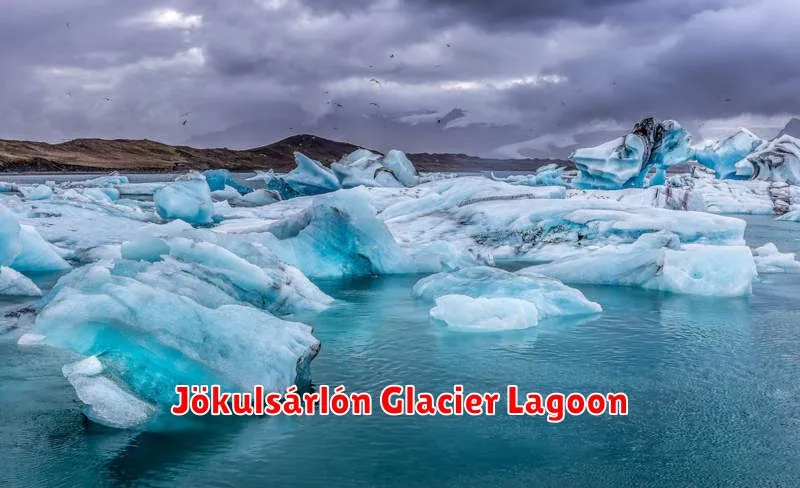
Welcome to the mesmerizing Jökulsárlón Glacier Lagoon, a breathtaking natural wonder located in the southeast of Iceland. Known for its stunning crystalline icebergs, this lagoon offers a unique glimpse into the glacial beauty of Iceland. A visit here promises an unforgettable experience of nature’s grandeur.
The Iceberg Parade
One of the most captivating sights at Jökulsárlón is the floating icebergs that drift serenely across the lagoon. These icebergs, with their varied shades of blue and white, have broken off from the Breiðamerkurjökull glacier, part of the larger Vatnajökull ice cap. As they make their journey to the nearby Atlantic Ocean, visitors can enjoy watching them on a boat tour or from the shore.
Unique Wildlife Spotting
This stunning lagoon is not only about icebergs; it’s also a vibrant ecosystem. Visitors often spot seals lounging on the ice or swimming through the chilly waters. Bird enthusiasts should keep an eye out for diverse birdlife, including arctic terns and seagulls, which add life and movement to this icy paradise.
Optimal Visiting Times
The best time to visit Jökulsárlón is during the summer months, from June to August, when the weather is milder, and the melting ice creates dramatic changes in scenery. Winter, however, provides its own magic with surreal, ice-sculpted landscapes and possible views of the Northern Lights reflecting off the lagoon’s surface.
Top Tips for Visitors
- Dress Warmly: The temperature can be quite low even in summer, so layers are recommended.
- Photography: Capture the contrasting colors of the lagoon during different times of the day for stunning images.
- Boat Tours: Consider taking a boat tour to get closer to the icebergs and seals.
Vatnajökull National Park
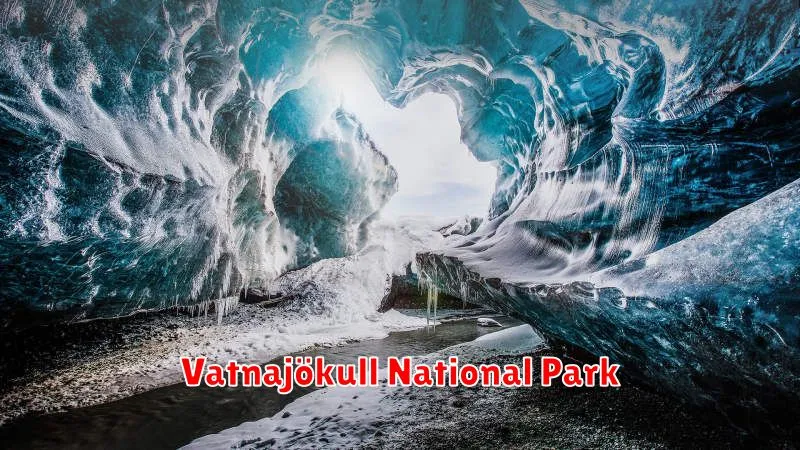
Immerse yourself in the pristine beauty of Vatnajökull National Park, a treasure trove of glacial landscapes and biodiversity that spans over 14,141 square kilometers, making it the largest national park in Europe. This stunning park is home to the mighty Vatnajökull Glacier, the largest ice cap outside of the Arctic, and a plethora of natural wonders that promise to leave you in awe.
A Glacial Wonderland
The park boasts a diverse range of landscapes, from glistening glaciers and serene lagoons to volcanic terrains and geothermal areas. Visitors can marvel at the breathtaking beauty of ice caves, which are particularly spectacular in winter when the crystalline formations reveal shades of blue that are simply mesmerizing.
Flora and Fauna
Beyond its icy splendour, Vatnajökull National Park hosts rich ecosystems. Look out for arctic foxes, reindeer, and numerous bird species that thrive in the varied habitats. The flora is equally unique, with rare plants dotting the landscape, offering a vibrant contrast to the icy backdrop.
Activities and Exploration
Visitors are spoilt for choice with activities ranging from hiking and ice climbing to exploring the lush green valleys and volcanic landscapes. For those seeking solitude, the park’s expansive trails provide the perfect opportunity to connect with nature unparalleled anywhere else.
| Feature | Description |
|---|---|
| Location | South-East Iceland |
| Size | 14,141 km² |
| Main Attraction | Vatnajökull Glacier |
| Activities | Hiking, Ice Climbing, Wildlife Watching |
With its unmatched natural beauty and vast landscapes, Vatnajökull National Park is a must-visit for anyone seeking an authentic Nordic adventure. Its serene atmosphere and untouched beauty offer a unique glimpse into the raw power of Iceland’s ever-changing environment.
Northern Lights
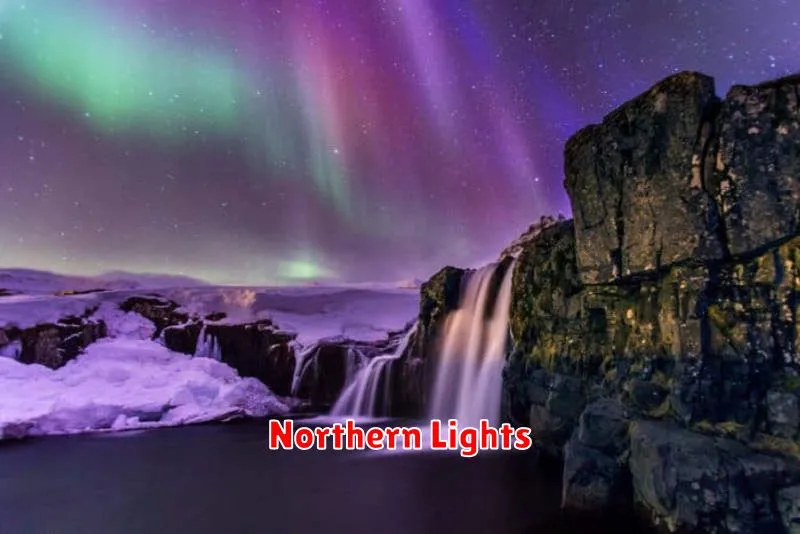
When visiting Iceland, witnessing the awe-inspiring Northern Lights, or Aurora Borealis, is a must-do on any traveler’s itinerary. Known for their dazzling display of vibrant colors glowing in the night sky, the Northern Lights are a natural phenomenon caused by particles from the sun colliding with atoms in Earth’s atmosphere. This celestial show attracts visitors from all over the globe, eager to experience its hypnotic beauty.
Best Time to Witness the Magic
The optimal time to see the Northern Lights in Iceland is between September and April, when the nights are longest and darkest. The cold, clear skies of winter offer the best conditions, maximizing your chances of a successful sighting.
Prime Locations for Viewing
While the Northern Lights can be seen from many parts of Iceland, certain locations offer more reliable sightings and spectacular backdrops. Here are a few recommended spots:
- Þingvellir National Park – A UNESCO World Heritage site offering an open expanse, perfect for viewing without light pollution.
- Vik – This small town is famed for its picturesque black sand beach and stunning auroral views.
- Kirkjufell Mountain – Known as one of Iceland’s most photographed mountains, Kirkjufell offers a dramatic foreground for your Northern Lights photography.
Viewing Tips
To enhance your experience, consider the following tips:
- Keep track of aurora forecasts and weather conditions for the best chance at a clear night.
- Avoid city lights; head out to rural areas where light pollution is minimal.
- Dress warmly in layers to stay comfortable as you may be outdoors for several hours.
Watching the Northern Lights dance across the Icelandic sky is truly a once-in-a-lifetime experience, captivating visitors with its mesmerizing and unpredictable beauty.
Myvatn Nature Baths
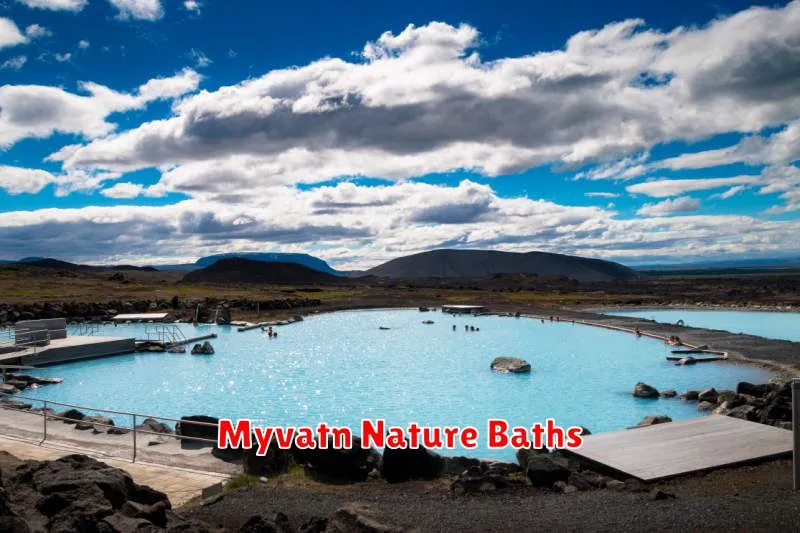
If you’re seeking a serene getaway amidst the wild beauty of Iceland, the Myvatn Nature Baths should be at the top of your list. Known as the “Blue Lagoon of the North,” these geothermal pools offer a more tranquil and less crowded experience than their southern counterpart.
A Relaxing Escape
Located in the heart of the stunning volcanic landscape of North Iceland, the Myvatn Nature Baths are surrounded by breathtaking natural wonders. Soaking in these mineral-rich waters, heated by geothermal activity, is a wonderful way to relax and rejuvenate after a long day of exploration. The warm, milky blue water retains a temperature of 36-40°C (96-104°F), perfect for soothing tired muscles.
Benefits for Mind and Body
The mineral composition of the water is said to have numerous health benefits, including improved skin condition and relaxation of muscle tension. Additionally, the baths provide a mental escape, allowing visitors to unwind while taking in views of the vast, otherworldly landscape that makes Iceland so unique.
Additional Facilities
Beyond the bathing area, Myvatn Nature Baths offers other amenities to enhance your visit:
- Steam Rooms – Enjoy a steam bath fueled by natural geothermal heat.
- Cafeteria – Enjoy a range of refreshments and Icelandic delicacies while overlooking the stunning vistas.
- Viewing Platforms – Take advantage of scenic viewing spots for watching the ethereal play of light across the landscape.
Practical Information
| Feature | Details |
|---|---|
| Opening Hours | Daily from 10 am to 10 pm |
| Location | Approximately 105 kilometers from Akureyri |
| Entry Fee | Varies by season; discounts available for children and seniors |
For travelers seeking to experience the rejuvenating power of Iceland’s geothermal wonders in a more intimate setting, Myvatn Nature Baths offer an ideal retreat.
Dettifoss Waterfall
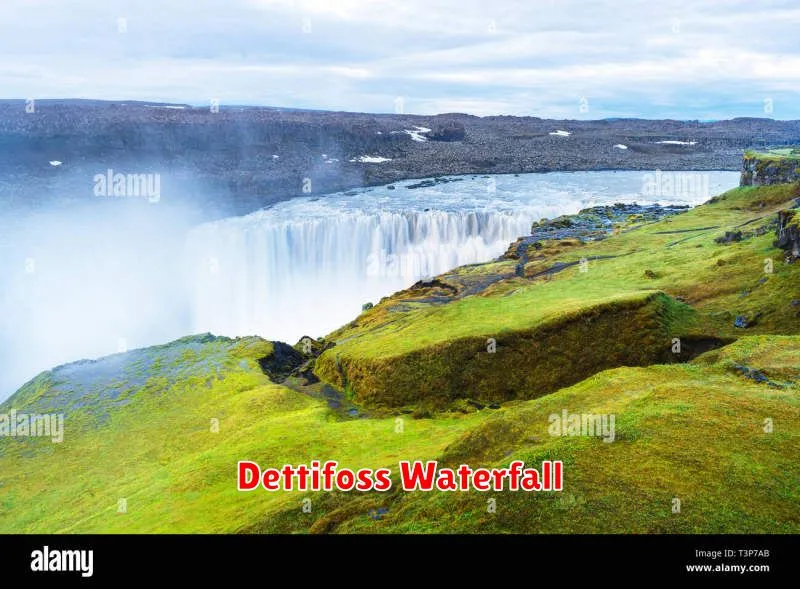
As one of the most powerful waterfalls in Europe, Dettifoss is an awe-inspiring natural wonder located in the Vatnajökull National Park in northeastern Iceland. With a drop of 44 meters and a width of 100 meters, the sheer volume and force of the cascading water is a sight to behold. The waterfall is fed by the glacial river Jökulsá á Fjöllum, which originates from the vast Vatnajökull glacier.
Getting There
To reach Dettifoss, visitors can take one of two routes: Route 864, which is a rough gravel road open in the summer, or Route 862, which has asphalt sections and is accessible during most of the year. Both provide scenic vantage points from which to view the waterfall, though Route 864 offers a closer approach to the east side.
Best Time to Visit
The best time to visit Dettifoss is during the summer months, from June to September, when both access routes are typically open. The paths might be slippery during wet conditions, so visiting during a dry spell is advisable for safety.
Quick Facts
| Feature | Details |
|---|---|
| Location | Vatnajökull National Park |
| Height | 44 meters (144 feet) |
| Width | 100 meters (328 feet) |
| River | Jökulsá á Fjöllum |
The thunderous roar of Dettifoss can be heard from a distance, creating an experience that touches all senses. Whether you’re an adventurer seeking the rush of nature’s power or a photographer looking to capture its magnificence, Dettifoss offers a uniquely unforgettable experience.
Reynisfjara Black Sand Beach
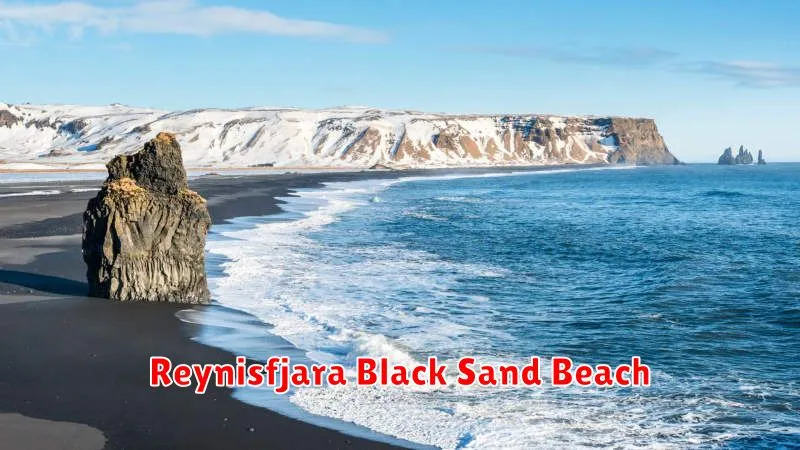
Located on the southern coast of Iceland, Reynisfjara Black Sand Beach is renowned for its unique beauty and dramatic landscapes. This extraordinary beach is famous for its black sands, towering basalt columns, and powerful Atlantic waves that crash against the shore. It offers a surreal experience, almost like stepping onto another planet.
Geological Wonders
The beach’s characteristic black sand is created from ancient volcanic eruptions and has been shaped by the forces of the ocean over millennia. The basalt sea stacks known as Reynisdrangar rise majestically from the waters, said to be former trolls turned to stone. This mesmerizing scenery makes it one of Iceland’s most photogenic locations.
Visitor Information
- Location: 180 km from Reykjavik, around a 2.5-hour drive.
- Access: Easily accessible by Route 1, with a short walk from the parking area.
- Best Time to Visit: Summer months for milder weather, though the beach’s winter beauty is also breathtaking.
Safety Tips
The waves at Reynisfjara are notoriously unpredictable and powerful. Visitors should exercise caution and keep a safe distance from the water’s edge to avoid the dangerous sneaker waves. These waves can surge without warning and have been known to sweep people into the sea.
Remember, Reynisfjara is not just a beach; it’s a natural masterpiece that offers a glimpse into Iceland’s volcanic past and its untamed natural beauty. Whether you’re a photographer, a geology enthusiast, or simply someone who appreciates stunning landscapes, Reynisfjara is a must-visit on your Icelandic adventure.
Snæfellsnes Peninsula
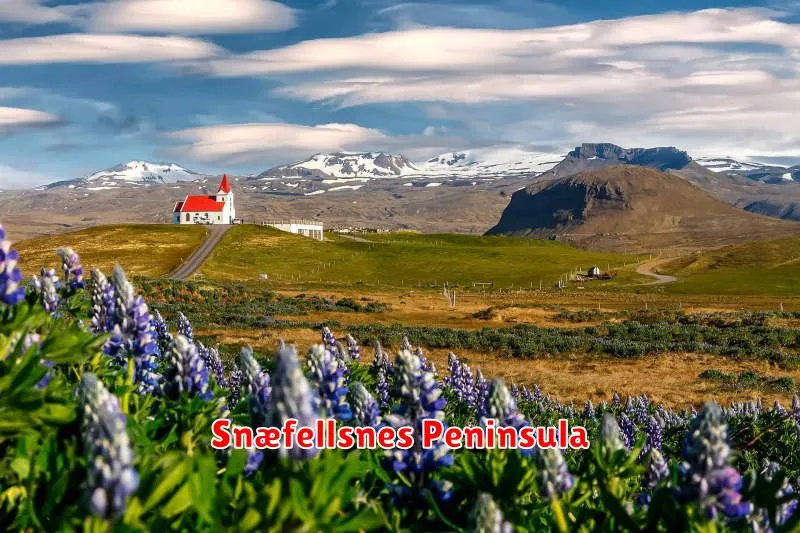
Often referred to as Iceland in Miniature, the Snæfellsnes Peninsula encapsulates a diverse range of the country’s stunning landscapes. Located in western Iceland, this peninsula offers a blend of coastline, volcanic formations, and abundant wildlife, making it a favorite among visitors seeking a comprehensive Icelandic experience.
The Charming Villages
Along the peninsula, you’ll discover quaint fishing villages such as Stykkishólmur, Grundarfjörður, and Arnarstapi. These towns charm with their colorful houses and provide a glimpse into the laid-back coastal lifestyle. In Stykkishólmur, don’t miss the chance to sample fresh seafood and take a boat tour that offers perspectives of the myriad of small islands nearby.
Snæfellsjökull National Park
At the heart of the peninsula lies the iconic Snæfellsjökull Glacier, which is a dormant volcano and the centerpiece of Snæfellsjökull National Park. This glacier is famous for its role in Jules Verne’s novel “Journey to the Center of the Earth”. Whether you’re hiking on its rugged paths or exploring beneath its ice cap, the landscapes are breathtaking.
- Duration: Plan for at least a full day trip to explore Snæfellsjökull National Park.
- Best Time to Visit: Summer months for clear paths and stunning views.
Unique Geological Formations
The peninsula boasts dramatic geological features such as the Lóndrangar basalt cliffs and the Djúpalónssandur pebble beach. Observing these distinct formations feels like stepping into another world where nature’s artistry is on full display.
Wildlife Spotting
For wildlife enthusiasts, Snæfellsnes offers ample opportunities to spot a variety of birds, including the adorable puffins, especially during the summer months. Off the coast, you might even witness the graceful dance of whales as they breach the ocean surface.
