

Discovering the rich cultural heritage and breathtaking natural landscapes of Japan can be truly magical. Whether you’re a nature enthusiast, a history buff, or a food lover, Japan has something extraordinary to offer. This article will guide you through the top 10 must-see destinations that showcase the diverse beauty and unique experiences that Japan is renowned for. From vibrant urban landscapes to serene countryside vistas, Japan promises an unforgettable journey for every traveler.
Embarking on a quest to explore Japan is more than just sightseeing; it’s about immersing yourself in a harmonious blend of ancient traditions and modern innovations. As you plan your unforgettable journey, prepare to walk through the sacred grounds of historical temples, gaze at the majestic silhouette of Mount Fuji, and wander through bustling streets where tradition meets contemporary culture. This guide will ensure you don’t miss these iconic spots, offering a perfect blend of adventure and relaxation. Get ready to witness the wonders of Japan, a land where every destination tells its own captivating story.
Mount Fuji
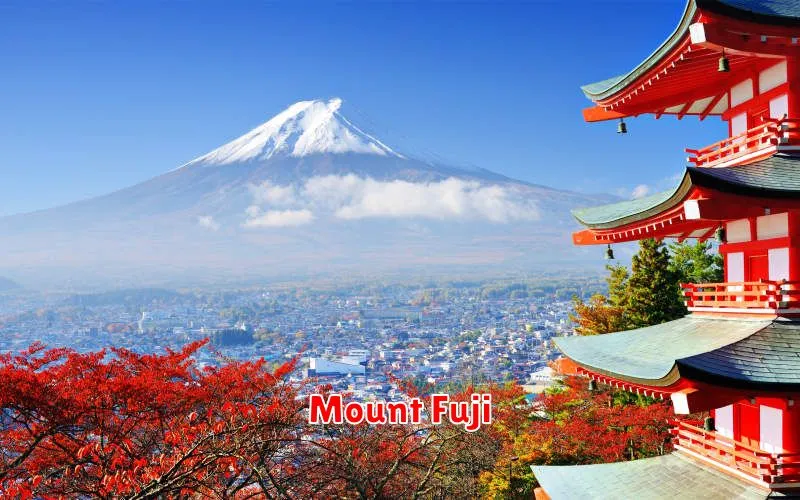
Mount Fuji, Japan’s iconic peak, is the highest mountain in the country at 3,776 meters (12,389 feet). This majestic stratovolcano is not only a symbol of natural beauty but also of the nation’s cultural heritage.
Location and Accessibility
Nestled on the border between Yamanashi and Shizuoka Prefectures, Mount Fuji is easily accessible from Tokyo, making it a popular destination for both locals and tourists. The best times to visit are in the summer months (July to early September), when the hiking trails are open and the summit is free of snow.
Climbing Mount Fuji
Climbing Mount Fuji is a once-in-a-lifetime experience, complete with stunning vistas at sunrise known as Goraiko. There are four main trails leading to the summit: Yoshida, Subashiri, Gotemba, and Fujinomiya. The hike can be challenging, but witnessing the breathtaking scenic views from the top is immensely rewarding.
Trail Summary
| Trail Name | Starting Point | Approximate Time to Summit |
|---|---|---|
| Yoshida Trail | Fifth Station | 5-7 hours |
| Subashiri Trail | Fifth Station | 5-7 hours |
| Gotemba Trail | Fifth Station | 7-10 hours |
| Fujinomiya Trail | Fifth Station | 4-7 hours |
Cultural Significance
Beyond its physical beauty, Mount Fuji holds significant cultural importance. It has been revered in Japanese art and literature for centuries and was designated as a UNESCO World Heritage Site in 2013. Numerous shrines dot its base, serving as spiritual sites for pilgrims and tourists alike.
Whether you are gazing at its perfectly symmetrical cone from a distance or are adventurous enough to make the climb, visiting Mount Fuji is an experience you’ll remember for a lifetime. Capture the essence of Japan with a journey to this natural wonder!
Tokyo Imperial Palace
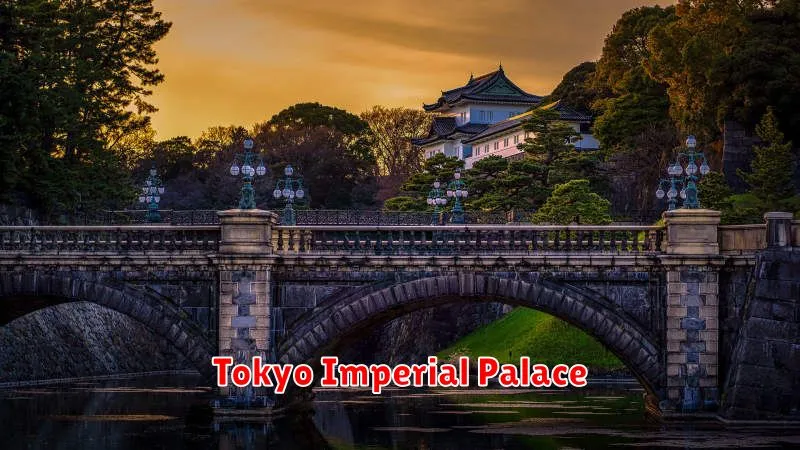
The Tokyo Imperial Palace is an epitome of Japan’s rich history and regal essence, profoundly enveloped in the vibrant cityscape of Tokyo. This colossal residence is not just the home of the Emperor of Japan, but an enlightening experience for those seeking to delve into the imperial history of this captivating nation.
A Glimpse of Historical Majesty
Built on the site of the former Edo Castle, the Tokyo Imperial Palace narrates stories from the days of the ancient Edo era to the present. The robust stone walls, moats, and bridges, including the renowned Nijūbashi, gracefully align with the lush gardens, offering a perfect blend of nature and architecture. Visitors can catch a rare glimpse of the palace itself during selected public days when guided tours allow insights into this majestic architectural marvel.
Exploring the East Gardens
While the inner grounds of the palace are usually off-limits to the public, the East Gardens are open to visitors throughout the year, allowing an immersion into their tranquil beauty. The gardens, strikingly adorned with seasonal flora, create an atmosphere that is as calming as it is picturesque, illustrating the meticulous artistry of Japanese landscape design. Additionally, the gardens host numerous remains of the original castle structures, heightening their historical significance.
Key Features at a Glance
- Nijūbashi Bridge: The iconic stone bridge offering stunning views of the palace.
- East Gardens: Open to the public, these gardens are a haven of serenity amidst the urban bustle.
- Historical Artifacts: Scattered remnants of Edo Castle enhance the storytelling aspect of your visit.
Whether you’re a history enthusiast or a casual traveler, the Tokyo Imperial Palace stands as a testament to Japan’s imperial past and cultural resilience, making it a significant stop on your journey through Tokyo.
Senso-ji Temple
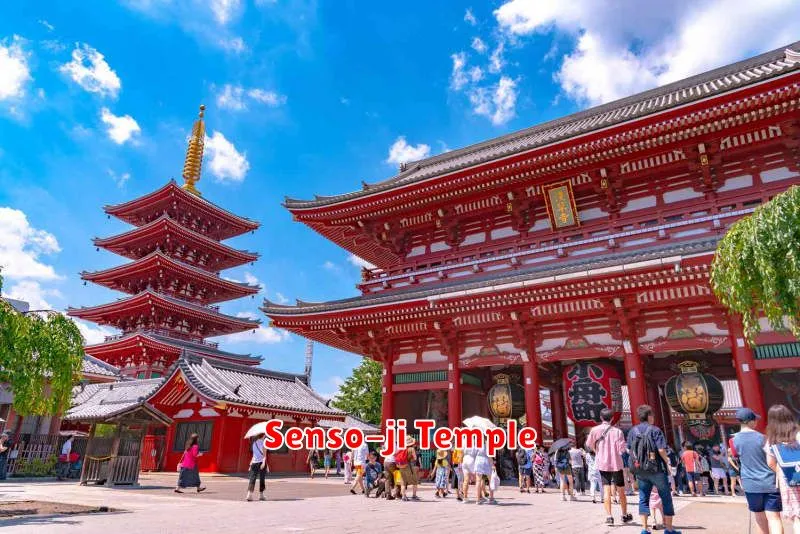
Embark on a journey to Senso-ji Temple, Tokyo’s oldest temple and one of its most significant cultural landmarks. Located in the bustling Asakusa district, this sensational site attracts millions of visitors each year who come to soak in its rich history, magnificent architecture, and vibrant atmosphere.
A Peek into the Past
The origins of Senso-ji date back to the year 628 AD when two fishermen discovered a statue of Kannon, the Buddhist goddess of mercy, in the Sumida River. Astounded by their discovery, the local chief Soga Nakatamaro turned their humble fishing village into a sacred site. The temple was completed in 645 AD, making it the oldest temple in Tokyo, and it continues to hold religious and historical significance to this day.
Exploring the Grounds
Visitors enter Senso-ji through the iconic Thunder Gate (Kaminarimon), featuring a massive red lantern enveloped by fearsome guardian statues. Beyond the gate lies the bustling Nakamise Shopping Street, a lively promenade that stretches 200 meters, lined with traditional stalls selling unique souvenirs, sweets, and snacks that reflect both modern and ancient Japanese culture.
As you approach the temple, you’ll be greeted by the vivid red of the Hondo (Main Hall). With its intricate carvings, colorful murals, and serene ambiance, it’s a place where spirituality and artistry beautifully converge. Don’t miss the opportunity to participate in the omikuji, a traditional Japanese fortune-telling activity, where you can learn about your luck and gain insights into your future.
Cultural Events
Senso-ji is also renowned for hosting a variety of vibrant festivals. The most notable of these is the Sanja Matsuri, an annual event held in May that showcases dynamic parades, music, and traditional dances, captivating both locals and tourists alike.
Visitor Tips
- Time of Visit: Early morning or late afternoon for smaller crowds and a more tranquil experience.
- Dress Code: Modest attire is recommended when visiting religious sites.
- Language Support: Information signs are often available in English for non-Japanese speakers.
Fushimi Inari-taisha Shrine
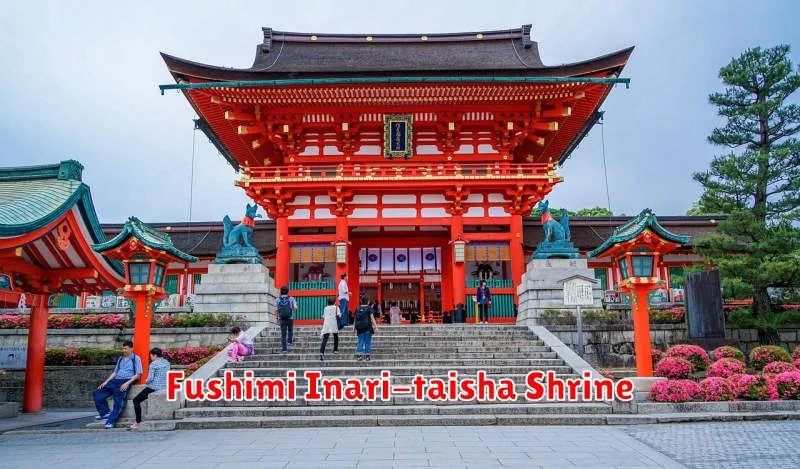
Fushimi Inari-taisha Shrine, located in Kyoto, Japan, is a mesmerizing sight that captures the hearts of many. Known for its thousands of bright red torii gates, the shrine covers the trails leading into the wooded forest of Mount Inari, the mountain that is sacred to Inari, the Shinto god of rice.
A Journey Through the Torii Gates
As you walk through the seemingly endless rows of torii gates, you will notice that each gate has been donated by a business or individual, symbolizing both gratitude and prosperity. The torii gates line several trails, the main trail leading up to the summit of Mount Inari, which stands at a modest 233 meters above sea level.
The Origin and Significance
Fushimi Inari-taisha was established in 711 AD, predating the capital’s move to Kyoto. As the head shrine of all the Inari shrines across Japan, it plays an essential role in understanding Japanese culture and religion. Inari is often symbolized by foxes, thought to be the messengers of the gods. Statues of foxes can be seen throughout the shrine grounds, holding keys to the rice granary in their mouths.
What to Expect When Visiting
- Best Time to Visit: Early morning or late afternoon to avoid crowds
- Duration: The hike to the summit and back can take 2-3 hours
- Traditional Cuisine: Don’t miss trying Inari Sushi at the food stalls near the entrance
Whether you’re seeking spiritual solace, a photographic adventure, or a historical tour, Fushimi Inari-taisha Shrine is a must-visit destination that promises a truly unforgettable experience for anyone traveling to Japan.
Hiroshima Peace Memorial Park

Nestled in the heart of Hiroshima, the Peace Memorial Park stands as a poignant reminder of the past while fostering hope for a future of peace. This park is dedicated to the victims of the atomic bombing that devastated the city on August 6, 1945, marking a turning point in world history.
A Place of Reflection
The park features a number of significant landmarks, each contributing to the overall message of peace and reconciliation. The most visited site within the park is the A-Bomb Dome, the remnants of the Hiroshima Prefectural Industrial Promotion Hall. This UNESCO World Heritage Site stands as a silent witness to the tragedy, having withstood the explosion largely intact.
Monuments and Memorials
Among the many monuments scattered throughout the park, the Cenotaph for the A-Bomb Victims is especially moving. This saddle-shaped memorial holds a registry of all the names of the bomb victims, with newly deceased hibakusha (survivors) being added annually.
Nearby, the Peace Flame continues to burn brightly, symbolizing the enduring commitment to eliminate nuclear weapons worldwide.
Museums and Educational Spaces
The Hiroshima Peace Memorial Museum is an essential stop within the park. Through its exhibits, visitors can gain a deeper understanding of the bomb’s devastating effects, as well as learn about the broader implications for humanity and international relations. The exhibits are not for the faint-hearted, but they are crucial for fostering a global dialogue on peace.
Annual Peace Memorial Ceremony
Every year on the anniversary of the bombing, the park hosts a Peace Memorial Ceremony. This solemn event is attended by thousands, offering a moment to pay respects and renew commitments to peace amidst moving speeches and the release of doves.
| Key Features | Description |
|---|---|
| A-Bomb Dome | Remains of the Hiroshima Prefectural Industrial Promotion Hall, a UNESCO World Heritage Site. |
| Cenotaph for A-Bomb Victims | Memorial that holds a registry of victims’ names. |
| Peace Flame | Symbol of hope and commitment to nuclear disarmament. |
| Peace Memorial Museum | Exhibits detailing the bombing and promoting global peace. |
Visiting Hiroshima Peace Memorial Park offers a profound and rewarding experience, providing not only historical insight but also a powerful reminder of the need for lasting global peace. For travelers seeking to understand the impact of war and the resilience of the human spirit, this destination is a must-see.
Itsukushima Shrine
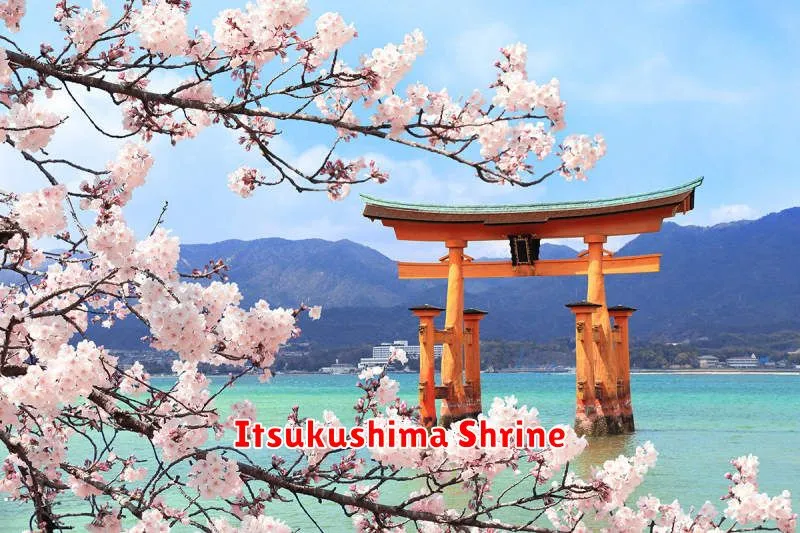
One of the most enchanting sights in Japan, the Itsukushima Shrine is renowned for its iconic “floating” torii gate. Located on the tranquil Miyajima Island, officially known as Itsukushima, this UNESCO World Heritage Site captivates visitors with its serene beauty and historical significance.
A Marvel of Shinto Architecture
Constructed in the late 6th century, the shrine’s architecture is a splendid example of Shinto design, harmoniously blending with the surrounding natural landscape. The main shrine complex is built on stilts over the water, giving the illusion that it is floating during high tide—a stunning sight to behold.
Visitors can explore the elegant corridors and appreciate the shrine’s sacred atmosphere, which has been a site of worship since ancient times. The shrine is dedicated to the three daughters of Susanoo-no-Mikoto, the Shinto god of seas and storms.
Experience the Phenomenon of the “Floating” Torii
The bright red torii gate, standing majestically in the bay, is one of Japan’s most famous landmarks. At low tide, visitors can walk out to the gate, while at high tide, the gate appears to float ethereally on the water, creating a breathtaking and memorable view.
When to Visit
- Spring: Enjoy the cherry blossoms adding a layer of color to the island’s scenic beauty.
- Fall: Witness the vibrant autumnal hues that make the landscape even more picturesque.
A visit to Itsukushima Shrine offers not only a spiritual journey but also a chance to appreciate the splendid natural vistas. It’s a place where history, spirituality, and nature converge seamlessly, leaving a lasting impression on all who visit.
Kiyomizu-dera Temple
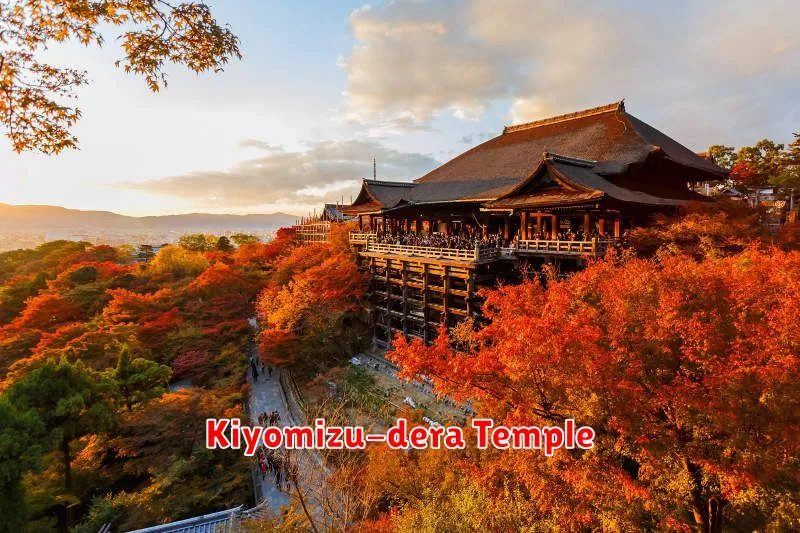
Perched gracefully on the hillsides of eastern Kyoto, Kiyomizu-dera Temple stands as a testament to Japan’s rich cultural heritage. This iconic temple, named a UNESCO World Heritage Site, offers a glimpse into the country’s Buddhist traditions and architectural magnificence.
A Historical Marvel
Founded in the late 8th century, Kiyomizu-dera Temple is deeply embedded in Japan’s historical tapestry. The temple’s main hall, built without the use of nails, showcases the advanced woodwork techniques of ancient Japan. A marvel of engineering, the main hall’s wooden stage extends over a cliff, providing a breathtaking view of Kyoto below.
The Legend and the Spring
The name “Kiyomizu” is derived from the Otowa Waterfall that runs beneath the temple. Visitors can still sip from this sacred waterfall, which is said to have wish-granting powers. These waters are divided into three streams, each reputed to bestow a distinct benefit: longevity, success at school, and a fortunate love life.
Cherry Blossoms and Autumn Leaves
Kiyomizu-dera is open throughout the year, but visiting during the spring or autumn transforms the trip into an extraordinary experience. In spring, the temple is enveloped by the delicate pinks of cherry blossoms, while autumn brings a vibrant array of red and gold foliage. It’s a feast for the senses, and an opportunity to experience Japan’s seasonal beauty at its peak.
- Location: 1-294 Kiyomizu, Higashiyama-ku, Kyoto
- Opening Hours: 6 AM – 6 PM daily
- Admission Fee: ¥400 for adults, ¥200 for children
Shopping and Cuisine
The paths leading up to Kiyomizu-dera are lined with bustling shops and teahouses. Here, visitors can indulge in various local cuisines and purchase traditional crafts. The vibrant atmosphere of the approach is a delightful contrast to the serene spirituality of the temple itself.
Gion District
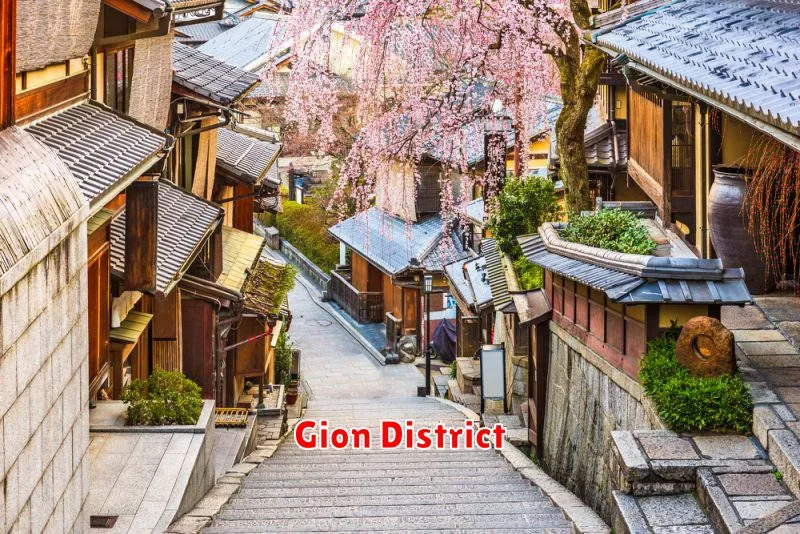
Nestled in the heart of Kyoto, the Gion District is one of Japan’s most famous geisha districts. Known for its well-preserved traditional architecture and rich cultural heritage, Gion offers visitors a unique glimpse into Japan’s historic past. Walking through the cobblestone streets lined with wooden machiya houses, you might feel as though you’ve traveled back in time.
The Charm of Traditional Teahouses
Gion is renowned for its ochaya or teahouses, where you can experience traditional Japanese entertainment. These teahouses are often venues for the geisha culture to shine, with performances that include music, dance, and traditional games. If you’re lucky, you might catch a glimpse of a geisha or a maiko, her apprentice, gliding elegantly down the street.
Key Attractions in Gion
- Hanami-koji Street: Famous for its authentic Kyoto charm, this street is lined with teahouses and restaurants where you can savor excellent Kyoto cuisine.
- Yasaka Shrine: Located at the end of Shijo Avenue, Yasaka Shrine is a vibrant religious site that hosts Kyoto’s iconic Gion Matsuri festival every summer.
- Gion Corner: A theater that showcases a variety of Japanese cultural arts from tea ceremonies to flower arranging and traditional Kyoto dances.
Tips for Visiting
It’s best to visit Gion in the evening when the streets are lit by traditional lanterns, creating a breathtakingly serene atmosphere. Remember to be respectful of the local customs and traditions, especially when encountering geisha or during cultural events.
Gion District is a slice of Kyoto not to be missed, where history comes to life with every step you take.
Shibuya Crossing
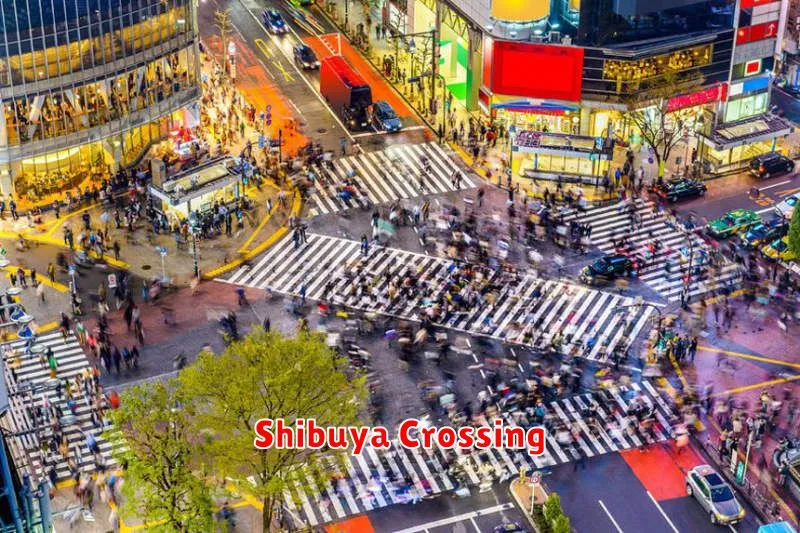
Known as the world’s busiest pedestrian crossing, Shibuya Crossing is a symbol of modern Tokyo, capturing the dynamic energy of this bustling city. Located just in front of the Shibuya Station Hachiko exit, it is often referred to as a “scramble crossing,” where traffic lights allow thousands of people to cross from various directions swiftly, yet somehow harmoniously.
Experience the Pulse of Tokyo
Being at Shibuya Crossing is a quintessential Tokyo experience. As the traffic lights turn red, pedestrian flow halts, and a sea of people floods the intersection from all sides. Witnessing this organized chaos is a must-see for any visitor to Japan.
Best Views and Times to Visit
Visitors looking to capture the perfect moment often head to one of the nearby high-rise buildings. The second-floor Starbucks in Tsutaya or the Magnet shopping building offer an excellent vantage point to watch the spectacle from above. To see Shibuya Crossing at its peak, visit during the evening rush hours or on weekends when the crowd is at its most intense.
Tips for Visiting
- Try to avoid large bags as the crowd can be dense.
- Be aware of personal belongings to prevent loss in the throng.
- Time your visit to experience the crossing both during daylight and night for varied experiences.
With its neon lights, billboards, and towering advertisements, Shibuya Crossing is a testament to the vibrant and modern side of Japan, making it an indispensable stop on your journey through this beautiful country.
Jigokudani Monkey Park

Located in the snowy paradise of Nagano Prefecture, Jigokudani Monkey Park provides a captivating glimpse into the lives of Japan’s famous snow monkeys. This unique park is nestled within the rugged landscapes of the Japanese Alps, offering visitors a rare opportunity to observe wild Japanese macaques soaking in natural hot springs amidst a serene winter wonderland.
Why Visit Jigokudani Monkey Park?
One of the main attractions of the park is the ability to see the macaques comfortably lounging in the steaming pools during the snowy season. This intriguing behavior was first noted in 1963 and has since become a popular tourist draw for nature enthusiasts and photographers alike. Unlike many other wildlife-viewing experiences, the monkeys are entirely wild, unrestrained by any enclosures, providing a truly authentic experience.
Best Time to Visit
- Winter (December to March): This is the ideal time to visit, as the snow-covered landscape creates a picturesque setting and the cold weather encourages monkeys to seek warmth in the hot springs.
- Spring and Fall: While winter is peak season, these months also offer beautiful natural scenery and a chance to witness different behaviors as the monkeys adjust to changing temperatures.
Visitor Tips
The park is accessible by foot through a forested walking trail that offers its own charm, with towering trees and serene creek crossings. Considering the terrain and climate, it is advisable to wear sturdy, waterproof footwear during your hike.
Visitors should also note that while the monkeys are accustomed to human presence, maintaining a respectful distance enhances both safety and the natural experience of watching these creatures in their habitat.
