
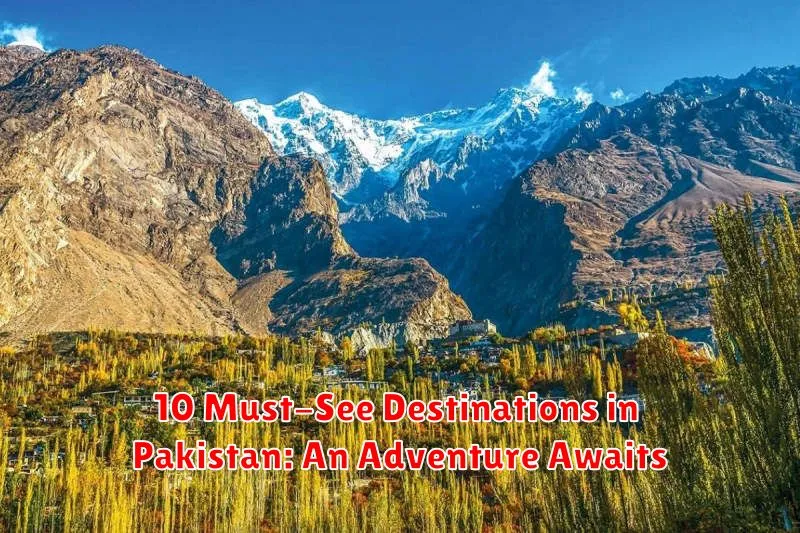
Embark on an extraordinary adventure as we unveil the 10 Must-See Destinations in Pakistan, a country brimming with natural beauty and cultural richness. From the soaring peaks of the Karakoram mountains to the vibrant streets of Lahore, Pakistan offers a tapestry of experiences that promise to captivate every traveler. Whether you’re an adrenaline junkie in search of thrilling escapades or a history enthusiast eager to traverse ancient pathways, Pakistan promises an unforgettable journey that beckons explorers from around the globe.
Adventure awaits in this land of breathtaking landscapes and resilient traditions. Delve into the mysteries of ancient civilizations as you explore majestic forts, or trek through pristine valleys untouched by time. Relish the culinary delights of spicy street foods and embrace the warm hospitality that Pakistan is renowned for. Our curated list of destinations shines a spotlight on the country’s most compelling spots, each offering a unique window into the heart of South Asia. So pack your bags and prepare to discover the untamed beauty and soul-stirring stories that make Pakistan a once-in-a-lifetime destination.
Faisal Mosque
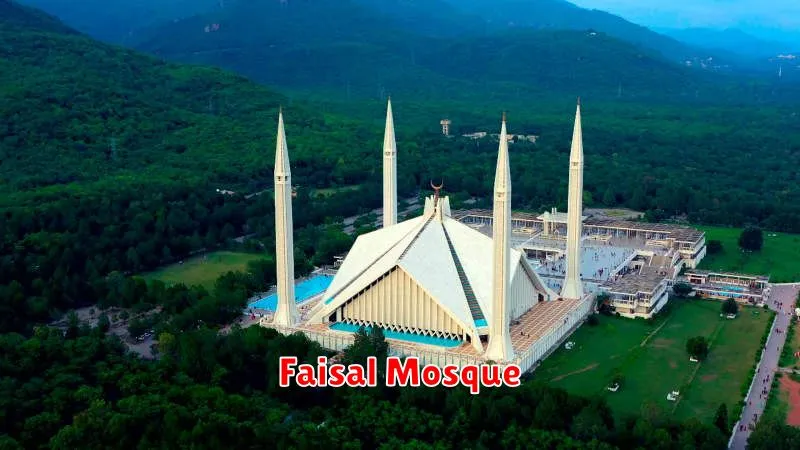
Nestled in the picturesque backdrop of the Margalla Hills in Islamabad, the Faisal Mosque stands as a beacon of Islamic architecture and spirituality. Designed by the acclaimed Turkish architect Vedat Dalokay, this mosque is one of the largest in the world and can accommodate up to 100,000 worshippers. Its remarkable design deviates from traditional mosque architecture, with a modern yet minimalist approach.
Architectural Marvel
The standout feature of Faisal Mosque is its unconventional shape; it resembles a desert tent, symbolic of the Bedouin tribes. Four towering minarets, each reaching 90 meters high, surround the mosque, drawing inspiration from Turkish minarets. The absence of the traditional dome is replaced by this striking tent-like structure, which makes it a unique landmark.
Visitor Experience
The interior of the mosque is just as breathtaking as its exterior. The vast prayer hall is adorned with a striking chandelier and intricate calligraphy by the famous Pakistani artist Sadequain. With the backdrop of the Margalla Hills, this iconic mosque is not only a spiritual center but also a hub for tourists and architecture enthusiasts. Visitors are welcomed with open arms, and ample space is available for those wishing to explore the mosque’s serene ambiance.
Essential Details
| Location | Islamabad, Pakistan |
|---|---|
| Year of Completion | 1986 |
| Architect | Vedat Dalokay |
| Capacity | 100,000 worshippers |
Whether you’re drawn by its monumental scale or the peaceful surroundings, Faisal Mosque is undeniably a must-visit destination in Pakistan, offering a perfect blend of nature, art, and spirituality.
Badshahi Mosque
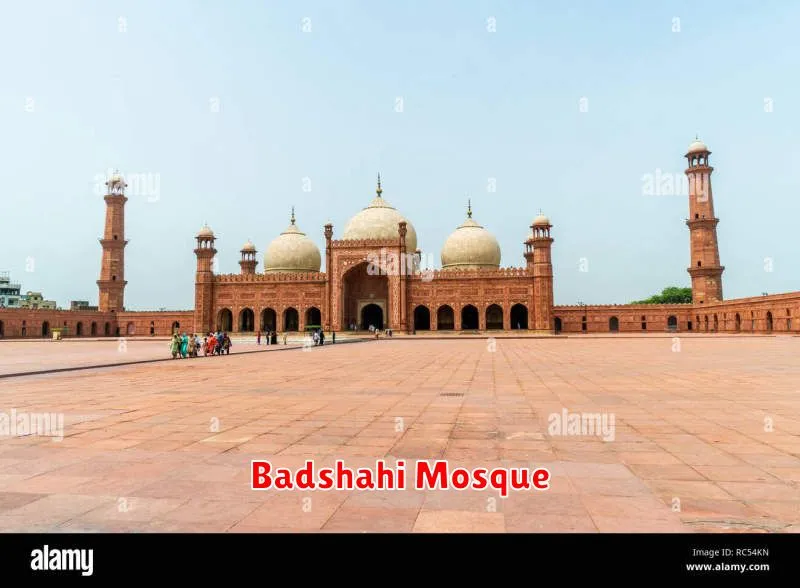
Badshahi Mosque, an architectural masterpiece of the Mughal era, stands majestically in the vibrant city of Lahore, Pakistan. Known for its grandeur and beauty, it is one of the largest mosques in the world, attracting millions of visitors each year.
Historical Significance
This iconic mosque was commissioned by the sixth Mughal Emperor, Aurangzeb, in 1671, and it was completed in 1673. The mosque symbolizes the power and wealth of the Mughal Empire during its peak.
Stunning Architecture
The Badshahi Mosque boasts stunning red sandstone and intricate white marble inlay work that showcases the artistic brilliance of that era. The mosque features four towering minarets, each standing 54 meters tall, and a massive courtyard that can accommodate over 55,000 worshippers.
- Location: Lahore, Pakistan
- Year Completed: 1673
- Main Architect: Nawab Zain Yar Jang Bahadur
- Capacity: 55,000 worshippers
Interior Design
The interior of the Badshahi Mosque is equally mesmerizing. The prayer hall is adorned with intricate frescoes, detailed marble work, and a series of magnificent domes. The acoustics inside the mosque are such that even a low murmur can reach the farthest point of the hall.
Visit Experience
Walking through the massive and well-maintained gates of the mosque, visitors are instantly enveloped by a sense of tranquility and spirituality. The mosque, with its serene atmosphere and magnificent view, provides an ideal setting for religious as well as historical exploration.
Shalimar Gardens
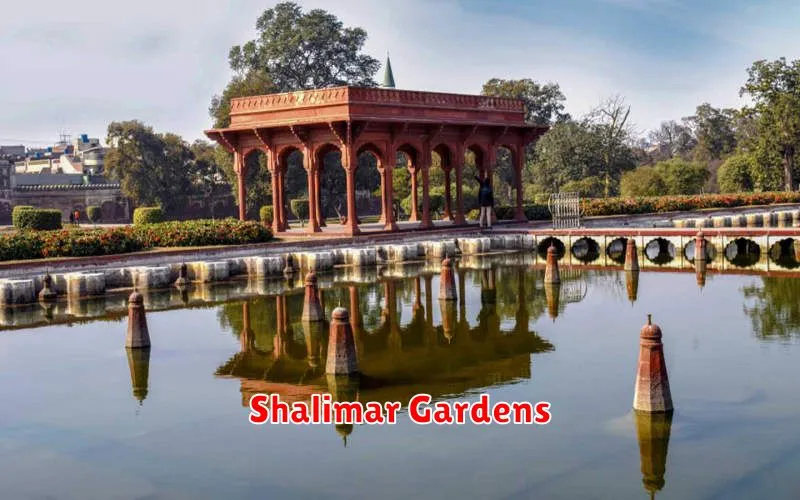
Shalimar Gardens, located in the vibrant city of Lahore, is an exquisite display of Mughal architecture and landscape artistry. Known as one of the best-preserved Mughal-era gardens in the world, it offers visitors a glimpse into the grandeur of the past.
A Historical Legacy
The garden was laid out during the reign of Emperor Shah Jahan in 1641 and is now a UNESCO World Heritage Site. It embodies the traditional Persian concept of the “charbagh” or four-part garden, designed to represent an earthly utopia, and it’s an exemplary depiction of the Mughal style.
Architectural Highlights
Shalimar Gardens covers an area of approximately 80 acres and is divided into three terraces, each rising 5 meters above the other. The garden is surrounded by a high red brick wall, which is intricately decorated with stunning floral designs.
| Feature | Description |
|---|---|
| Water Features | A network of 410 fountains strategically placed to create a dazzling display of water art. |
| Pavilions | Marble pavilions provide shaded areas for rest and relaxation amidst the lush greenery. |
| Terraces | Distinctly crafted terraces, each serving a unique purpose for leisure and recreation. |
The aesthetic beauty of Shalimar Gardens lies not only in its structural design but also in the intricate blend of natural and man-made elements. It features a vast array of flora, perfect for nature enthusiasts and historians alike, offering a retreat that’s both educational and serene.
Whether you’re a history buff or simply in search of a tranquil escape, Shalimar Gardens delivers an unforgettable experience with its promise of peace and a step back into time. This is a destination that truly deserves a spot on your itinerary when exploring the cultural wonders of Pakistan.
Mohenjo-daro
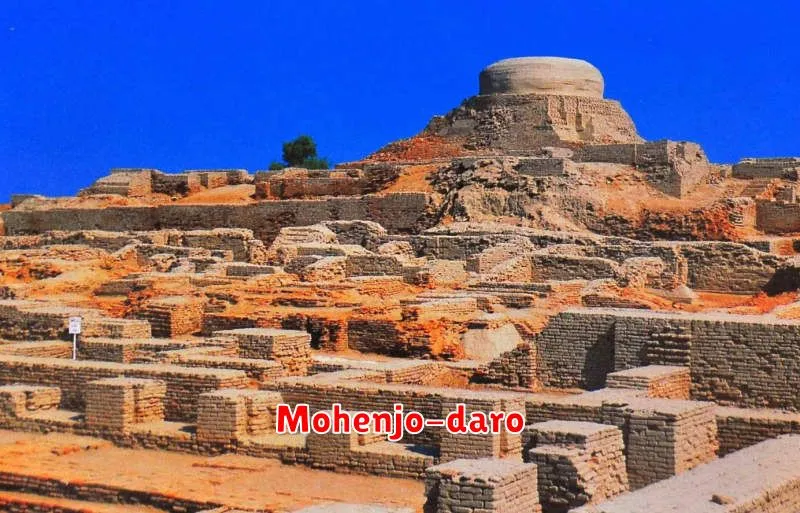
In the midst of the lush Indus Valley lies one of the greatest archeological discoveries of the 20th century—Mohenjo-daro. This ancient city, now a UNESCO World Heritage Site, offers a profound glimpse into the rich history of the Indus Civilization, dating back to approximately 2500 BCE.
Architectural Marvels
Mohenjo-daro isn’t just any archeological site; it is a testament to the ingenuity of ancient urban planning. The city is renowned for its advanced civil engineering and urban planning, showcasing well-organized streets, a sophisticated drainage system, and even grand public baths.
An Insight into the Past
Walkthrough its remnants, and imagine the bustling life that once filled its streets. The artifacts discovered here, such as pottery, tools, and intriguingly crafted statues, offer an insight into daily life thousands of years ago.
Key Features
- Great Bath: One of the earliest known public water tanks.
- Urban Planning: Symmetrical urban layout with impressive drainage.
- Artifacts: Excavated items that narrate stories of the past.
With its historical significance and architectural splendor, Mohenjo-daro stands as a powerful reminder of a civilization that, while ancient, was remarkably ahead of its time. For anyone with a penchant for history and wonder, this destination in Pakistan is an absolute must-visit.
Taxila
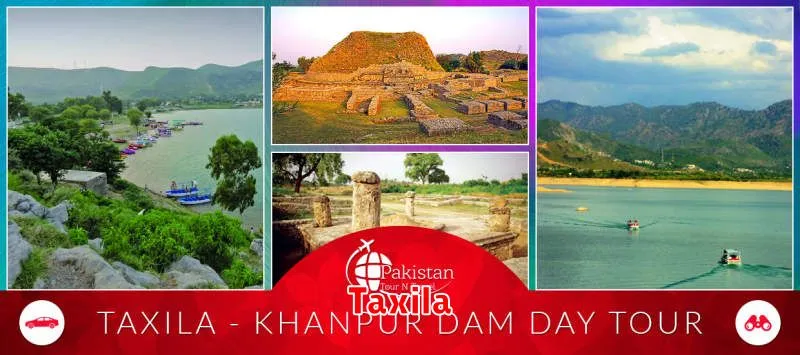
Delve into the heart of ancient civilization at Taxila, a city with a rich tapestry of history and heritage that dates back over 3,000 years. Recognized as a UNESCO World Heritage site, Taxila is an archaeological wonder that offers a unique glimpse into the worlds of ancient Hindus, Buddhists, and Greeks.
A Glimpse into the Ancient World
This historic city is famed for its diverse range of archaeological sites, from the remains of urban settlements to the magnificent monasteries and stupas. As you wander through the ancient ruins, it’s not hard to imagine the bustling life of the past, where scholars and learners once thrived.
Key Attractions in Taxila
- Takht-i-Bahi: Explore the impressive Buddhist monastic complex that dates back to the 1st century CE.
- Sirkap: Visit the ruins of this ancient city built by the Bactrian Greeks, showcasing a blend of Greek and Indian architectural styles.
- Jaulian Monastery: A site of pilgrimage in ancient times, known for its intricate carvings and stupas.
Experiencing the History
A museum near the site further enriches the experience, showcasing a vast collection of artifacts that include sculptures, coins, and pottery. For history enthusiasts, Taxila is not just a location – it’s a journey back in time to a crossroads of culture and knowledge.
Whether you’re an archaeologist at heart or simply passionate about history, Taxila promises an engaging and educational adventure through its ancient avenues.
Hunza Valley
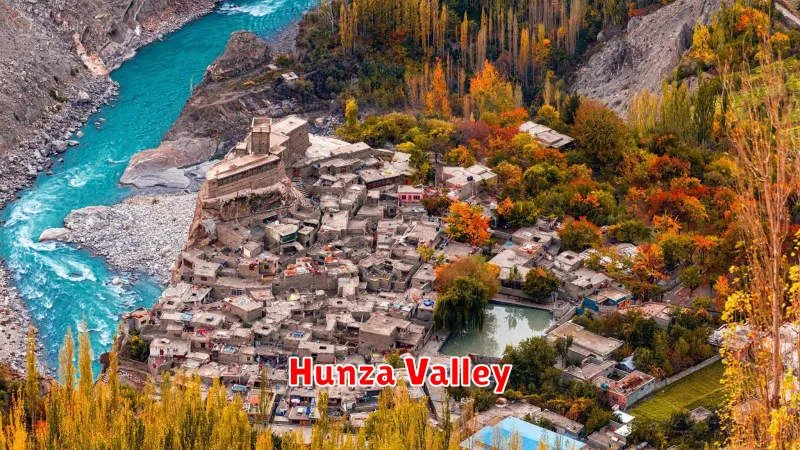
Nestled in the Gilgit-Baltistan region of Pakistan, the Hunza Valley is a slice of paradise that promises an experience like no other. Surrounded by the mighty Karakoram and Himalaya mountain ranges, this valley is renowned for its stunning natural beauty, vibrant culture, and warm-hearted locals.
Scenic Beauty
The landscape of Hunza Valley is nothing short of a painter’s dream. Encompassing terraced fields, lush orchards, and the turquoise waters of the Hunza River, the valley offers breathtaking views that will leave you spellbound. Not to mention some of the world’s most majestic peaks such as Rakaposhi and Ultar Sar which loom over the valley, making for a perfect backdrop.
Rich Culture
The people of Hunza, known as Hunzakuts, are famous for their hospitality and vibrant culture. Visitors can gain a unique insight into their way of life by attending local festivals and participating in traditional activities. The valley is also celebrated for its historical forts and ancient textiles, which boast a rich cultural heritage.
Adventure Activities
If you’re an adventure enthusiast, Hunza Valley has plenty to offer. From trekking and rock climbing to fishing and boating, there’s an activity for every kind of adventurer. The Passu Cones and the Baltit Fort trek are highly recommended for those looking to explore the valley’s rugged terrain.
Local Cuisine
No visit to Hunza would be complete without sampling its delightful local cuisine. Make sure to try the apricot cake, yak milk products, and the famous walnut cake, among other local delicacies, which are as unique as the valley itself.
Travel Tips
- Best time to visit: Spring and Autumn for pleasant weather.
- Altitude acclimatization: Given the high altitude, take necessary precautions.
- Stay options: Budget and luxury accommodations available in Karimabad.
So pack your bags and get ready to explore the captivating beauty of Hunza Valley—a place where adventure truly awaits!
Naltar Valley
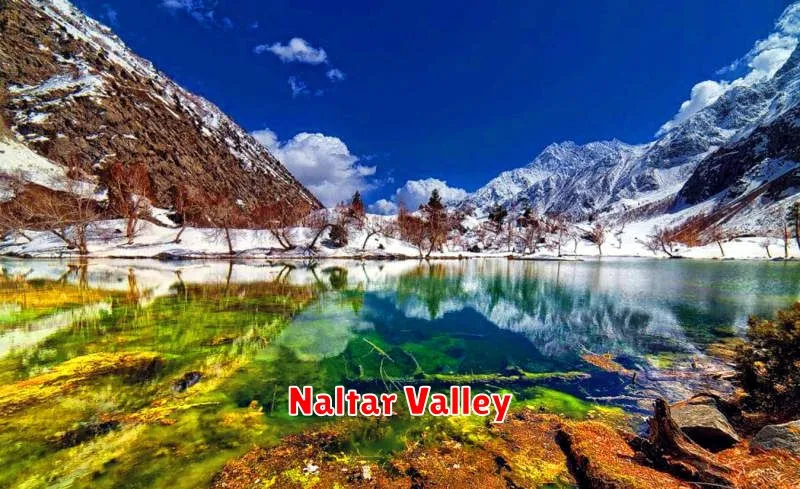
Hidden away in the stunning region of Gilgit-Baltistan, Naltar Valley is often referred to as the crown jewel of Pakistan’s natural beauty. It is renowned for its picturesque landscapes and vibrant flora, making it a haven for nature lovers and photographers alike.
Getting There
Naltar Valley is accessible from the city of Gilgit, which is approximately a two-hour drive away. The journey can be challenging, but it is filled with breathtaking views that are worth every kilometer.
What to Expect
This serene valley is home to some of the country’s most pristine lakes, namely the Naltar Lakes, which display a spectrum of colors ranging from mesmerizing sapphire blues to vivid greens. The area is also enveloped in dense forests of pine and birch trees, providing a tranquil escape from bustling city life.
- Language: Urdu, Shina
- Best time to visit: April to October
- Activities: Hiking, sightseeing, photography
Adventure Awaits
For those seeking adventure, Naltar Valley offers splendid options. The valley transforms into a winter wonderland during the snow season, attracting skiers from all over the country to its Naltar Ski Resort. The resort is renowned for hosting the Pakistan National Ski Championship.
In addition to its enchanting landscapes, the valley is known for its unique wildflowers and diverse wildlife, including endangered species like the snow leopard. With its natural beauty and exhilarating activities, Naltar Valley promises an unforgettable experience.
Deosai National Park
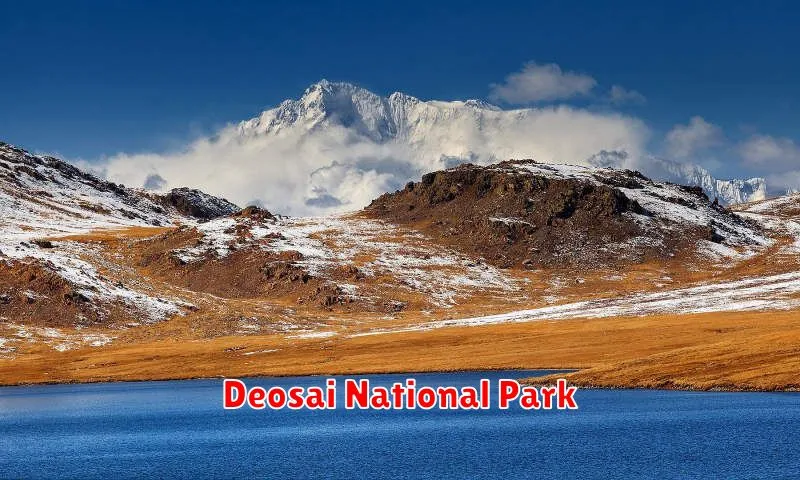
Nestled amidst the breathtaking landscapes of northern Pakistan, Deosai National Park is often referred to as the “Land of Giants”. At an elevation of around 4,114 meters (13,497 feet), this vast plateau is one of the highest in the world. The park spans over 3,000 square kilometers, offering an extensive expanse of unspoiled beauty that’s a must for any nature enthusiast.
The park is famous for its diverse wildlife. Among its notable inhabitants is the Himalayan brown bear, a species that has been under the keen eye of conservationists for many years. Other wildlife species include the Himalayan ibex, red fox, and a myriad of resident birds such as the golden eagle and the griffon vulture. Birdwatchers, in particular, will find Deosai a paradise on Earth.
Flora and Fauna
During the summer months, Deosai is blanketed with vibrant wildflowers, painting the landscape in hues of blue, yellow, and purple. The sight is nothing short of mesmerizing and contrasts beautifully with the crystalline rivers that meander through the plateau.
Activities for Adventurers
For those seeking adventure, Deosai offers numerous opportunities for trekking and camping. The park’s ethereal beauty is accessible via several trekking routes that wind through its rugged terrain, providing trekkers with awe-inspiring views and a chance to connect with nature away from the hustle and bustle of everyday life.
Best Time to Visit
The ideal time to visit Deosai National Park is between June and September, when the weather is most favorable and the park is accessible. During these months, visitors can fully immerse themselves in the exquisite beauty of this rugged wilderness.
Below is a quick guide to help you plan your trip:
| Activity | Best Month | Duration |
|---|---|---|
| Trekking | July – September | 3-5 days |
| Wildlife Watching | June – August | Full Day |
| Photography | July – September | Flexible |
For those who venture to Deosai National Park, the experience is nothing short of magical—a journey into a land where nature reigns supreme, offering tranquility and breathtaking vistas.
Concordia
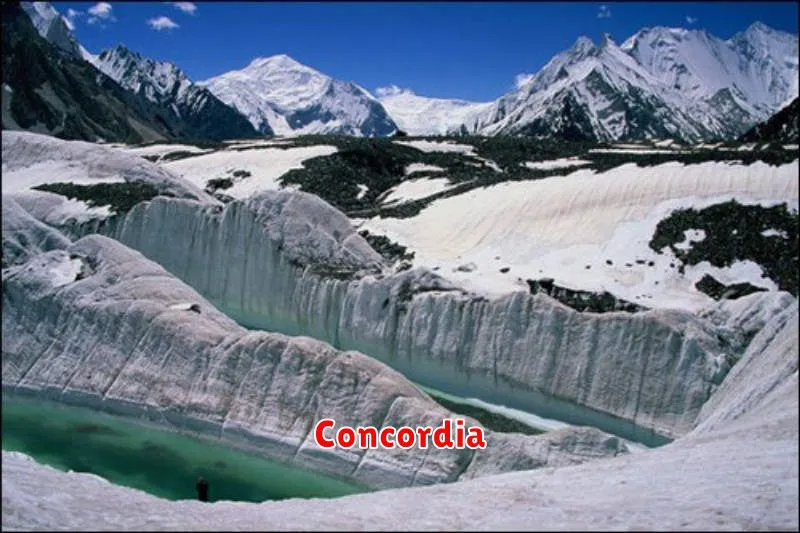
Located in the majestic Karakoram Range, Concordia is a paradise for trekkers and adventure enthusiasts. Known as the throne room of the mountain gods, this unique location offers breathtaking views of some of the world’s tallest peaks, including K2, the second-highest mountain on Earth.
Concordia lies at the confluence of the Baltoro and Godwin-Austen glaciers, serving as a base camp for many mountaineers attempting to summit the towering giants surrounding it. For those seeking an unparalleled adventure, Concordia promises an unforgettable experience amidst the towering peaks and vast ice fields.
Why Concordia?
- Unmatched Scenery: Surrounded by snow-capped mountains and vast glaciers, the views at Concordia are truly surreal.
- Hiking Opportunities: Numerous trekking routes begin from Concordia, offering adventurers a chance to explore the rugged terrains.
- Base for K2 Expeditions: Ideal for those looking to challenge themselves with a K2 expedition.
| Feature | Details |
|---|---|
| Elevation | Approximately 4,500 meters (14,764 feet) |
| Access | Trek via Skardu, with multiple day hikes required |
| Best Time to Visit | May to September |
Every step you take towards Concordia is a step deeper into the heart of the Himalayas. As you reach this convergence point, you’re not just witnessing nature’s grandeur—you’re experiencing it in its most raw and unfiltered form. Whether you’re a seasoned trekker or new to high-altitude adventures, Concordia offers an experience like no other.
K2 Base Camp
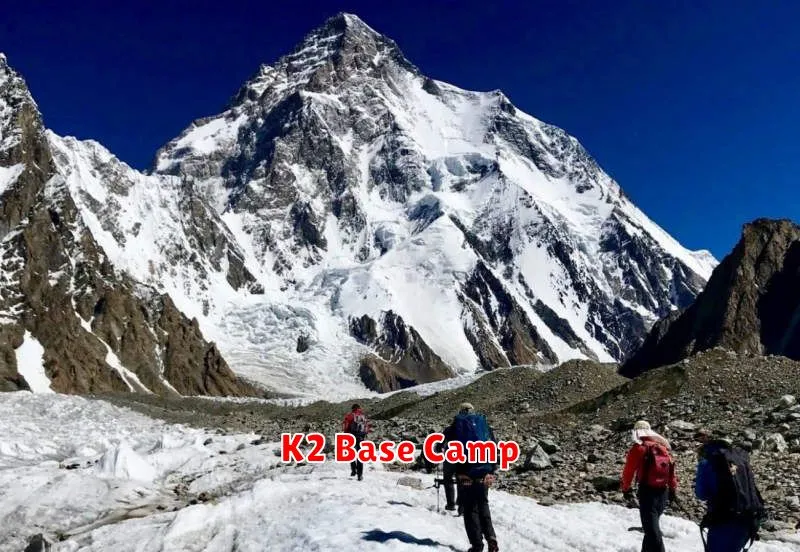
For the adventurous traveler, a trek to the K2 Base Camp is an unparalleled experience. Situated in the Karakoram Range of Pakistan, this destination provides an unmatched opportunity to witness some of the most breathtaking and rugged landscapes on Earth. Known for being the starting point for climbers aiming to conquer the world’s second-highest peak, K2, the base camp itself offers a mesmerizing journey through extraordinary terrain.
Getting There
The journey to K2 Base Camp is not for the faint-hearted. It starts from the picturesque town of Skardu, a gateway to the Karakoram Range. From here, adventurers embark on a 15-20 day trekking expedition, traversing through the Baltoro Glacier. The path is both arduous and rewarding, requiring physical endurance and mental tenacity.
The Trekking Experience
The trek to K2 Base Camp is interspersed with various campsites that offer essential rest and recovery to the trekkers. Some notable campsites along the way include:
- Jhola Camp: The first camping site after leaving the village of Askole.
- Paju Camp: Known for its spectacular views of the towering Trango Towers.
- Urdukas Camp: A higher elevation site providing panoramic views of the Baltoro Glacier.
- Concordia: Known as the ‘Throne Room of the Mountain Gods’, offering views of four eight-thousanders, including K2.
Things to Keep in Mind
Reaching the K2 Base Camp requires extensive preparation and planning. Here are a few tips for an effective trek:
- Hire a reputable local guide familiar with the terrain and weather conditions.
- Ensure you have the necessary trekking permits before embarking.
- Acclimate properly to avoid altitude sickness.
- Prepare yourself with appropriate gear and supplies for unpredictable weather.
Once you arrive at the base camp, the sense of accomplishment and the view of the majestic K2 is a once-in-a-lifetime experience that stays etched in your memory forever.
