
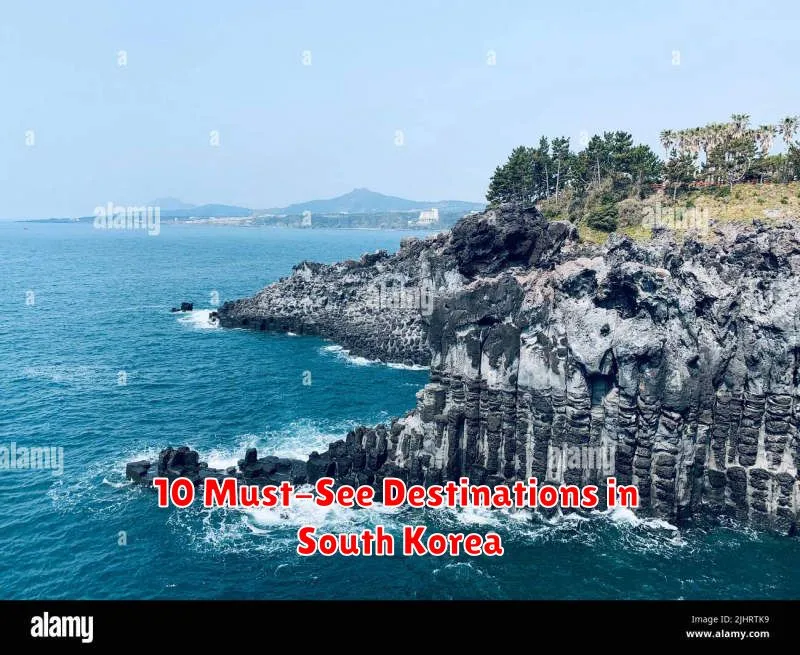
South Korea, a country steeped in a rich tapestry of history and modernity, offers an exhilarating experience for globetrotters seeking diverse and vibrant experiences. From the bustling streets of Seoul to the tranquil landscapes of its countryside, South Korea presents a stunning array of attractions. Whether you are a fan of delectable Korean cuisine, ancient palaces, or cutting-edge technology, this East Asian gem promises to captivate and enchant.
In this article titled “10 Must-See Destinations in South Korea,” we explore some of the most awe-inspiring spots that should be on every traveler’s bucket list. Get ready to delve into a world where tradition meets innovation, where you can savor the harmonic blend of the past and the future. If you’re planning a trip or simply daydreaming about your next getaway, join us as we uncover the best destinations South Korea has to offer.
Gyeongbokgung Palace
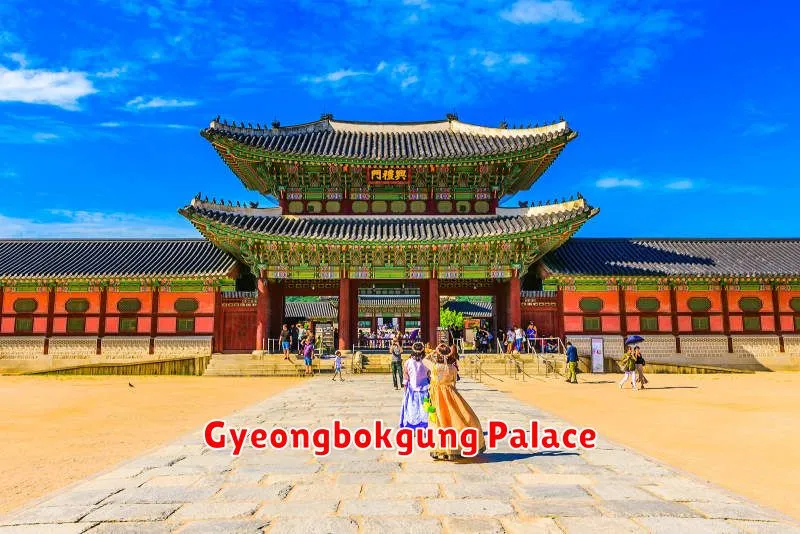
Once the heart of the mighty Joseon Dynasty, the Gyeongbokgung Palace stands as a grand testament to South Korea’s rich history and architectural splendor. Often referred to as the “Palace Greatly Blessed by Heaven,” this monumental structure is an essential stop for any traveler looking to delve deep into the cultural fabric of South Korea.
Historical Background
Originally constructed in 1395, Gyeongbokgung served as the main royal palace for the Kings of the Joseon dynasty. Despite facing destruction during the Imjin War and later during political turmoil in the early 20th century, the palace has been meticulously restored to its former glory. Visitors to this magnificent site can witness a blend of original and revamped structures.
What to See
- Geunjeongjeon Hall: The throne room where essential state functions were held. Its intricate architectural design is a marvel to behold.
- Gyeonghoeru Pavilion: This iconic pavilion is surrounded by a lotus pond, offering a picturesque setting ideal for leisurely strolls.
- Hyangwonjeong Pavilion: A peaceful escape within the palace grounds, this hexagonal pavilion is set on a small island connected by an arched bridge.
Visitor Tips
For those eager to experience the palace in all its historical grandeur, consider visiting during the Changing of the Royal Guard ceremony. This daily event, held at the main gate, is a vibrant display that offers a glimpse into centuries-old traditions.
Entrance Fees
| Category | Price (KRW) |
|---|---|
| Adults | 3,000 |
| Children (ages 7-18) | 1,500 |
The palace is a short walk from Gwanghwamun Station, Line 5. A visit to Gyeongbokgung Palace promises a journey through time, marinated with fascinating history and unforgettable scenery.
Bukchon Hanok Village
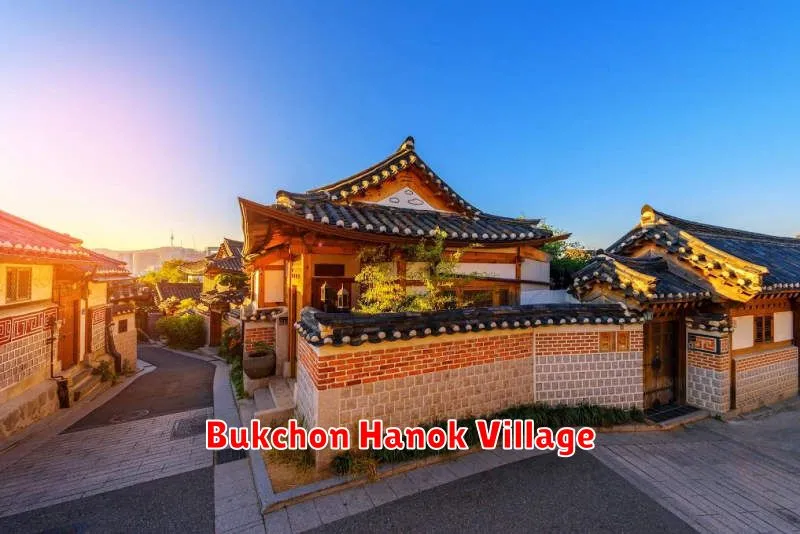
Nestled in the heart of Seoul, the Bukchon Hanok Village offers visitors a unique glimpse into traditional Korean architecture and culture. This historic village is renowned for its intricately preserved hanoks, which are traditional Korean houses dating back to the Joseon Dynasty.
Exploring Bukchon Hanok Village is like stepping back in time. The area boasts over 900 hanoks, each beautifully restored, making it one of the largest concentrations of these historic homes in South Korea. As you wander through the narrow alleys, you’ll be enveloped in a soothing atmosphere that contrasts sharply with the bustling modern city surrounding you.
Things to Do in Bukchon Hanok Village
- Visit a traditional tea house and enjoy an authentic Korean tea experience.
- Take part in various cultural workshops, such as calligraphy or hanbok (traditional clothing) wearing.
- Explore the Bukchon Traditional Culture Center to learn more about Korea’s cultural heritage.
Best Times to Visit
To truly immerse yourself in the aesthetic beauty of Bukchon Hanok Village, consider visiting during spring or autumn. The cherry blossoms and vibrant fall foliage add a magical touch to the landscape, enhancing the village’s enchanting charm. Arriving early in the morning or later in the afternoon on a weekday can also help you avoid crowds and allow for a more intimate experience.
Quick Tips
- Wear comfortable shoes, as you’ll be walking on uneven surfaces and hilly roads.
- Be respectful of residents, as Bukchon Hanok Village is still a residential area.
- Check out the Bukchon Eight Views – a set of picturesque viewpoints offering stunning city and village panoramas.
N Seoul Tower
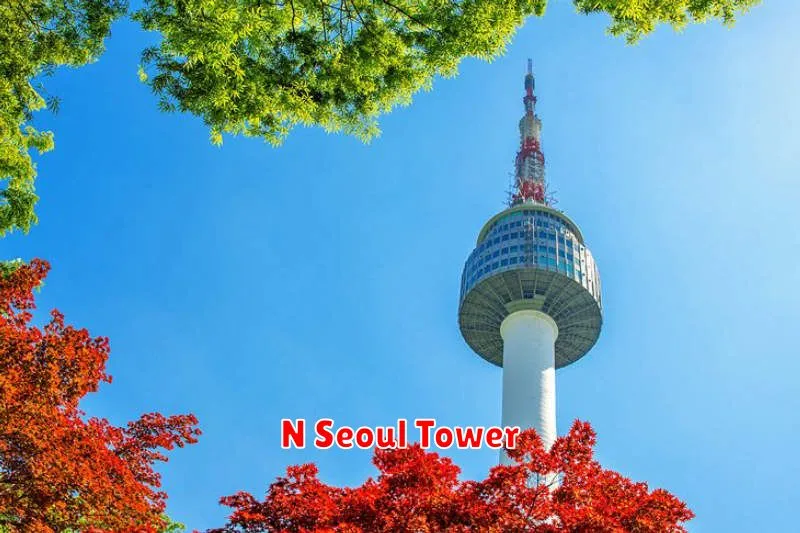
Perched atop Namsan Mountain, the N Seoul Tower is an iconic landmark offering panoramic views of South Korea’s bustling capital, Seoul. Originally built in 1969 as a communication tower, it has since become a popular tourist destination, attracting millions of visitors annually.
Stunning Views
At the height of 236 meters, the tower’s observation decks provide an unparalleled view of the sprawling cityscape of Seoul and beyond. Whether in the day or under the twinkling night sky, the view is nothing short of breathtaking.
A Romantic Escape
The tower is a favorite spot among couples, particularly for the Locks of Love fence, where you can attach padlocks as a symbol of everlasting love. It’s a romantic gesture that has become a part of the tower’s charm.
Cultural and Culinary Delights
- Traditional Performances: Experience Korean culture through performances and exhibitions held at the Cultural Center within the tower complex.
- Fine Dining: The tower hosts several dining options, including a rotating restaurant offering international cuisine with a view.
Getting There
Reaching the N Seoul Tower is an adventure in itself. Visitors can either hike through Namsan Park for a rejuvenating walk amidst nature or take a cable car ride for a leisurely journey to the top.
Opening Hours and Ticket Information
Hours: N Seoul Tower is open from 10:00 AM to 11:00 PM. It is advisable to check in advance for any changes or special events.
Tickets: Tickets can be purchased at the entrance, with separate charges for the observation deck and attractions inside.
Demilitarized Zone (DMZ)
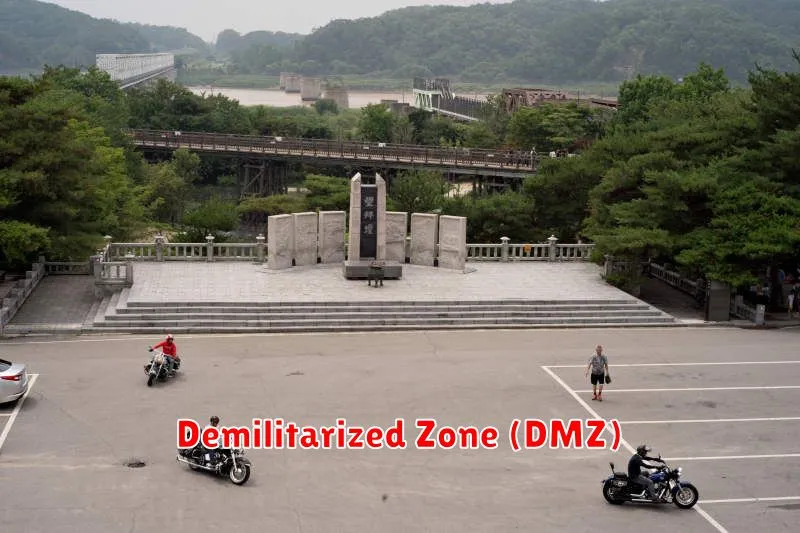
The Demilitarized Zone (DMZ) is one of the most fascinating yet tense destinations you can visit in South Korea. It is a buffer zone that separates North and South Korea, stretching approximately 250 kilometers across the Korean Peninsula.
What You Can Expect
The DMZ offers a unique glimpse into the division that still exists between the two nations. Visitors can expect not only to learn about the historical context but also witness the stark contrast between militarization and the efforts for peace. This area serves as a powerful reminder of the Korean War which ended in 1953, but never officially concluded with a peace treaty.
Highlights of the DMZ
- Joint Security Area (JSA): Often referred to as the “truce village,” the JSA is the only portion of the DMZ where troops from North and South Korea stand face to face.
- Imjingak Park: This park is home to various monuments and displays dedicated to peace and unification, including the Peace Bell.
- Dora Observatory: From this spot, visitors can use binoculars to peer into North Korean territory, catching sight of Propaganda Village and Kaesong city.
- Third Infiltration Tunnel: Discovered in 1978, this tunnel was allegedly dug by North Korea for a surprise attack on Seoul. It offers an eerie insight into the tense relationship between North and South Korea.
Visiting Tips
When visiting the DMZ, it’s important to remember that it is a highly secured area. Guided tours are a must, and safety precautions should always be followed. Remember to carry your passport and adhere to the dress code that entails no flashy clothing or accessories.
Jeju Island
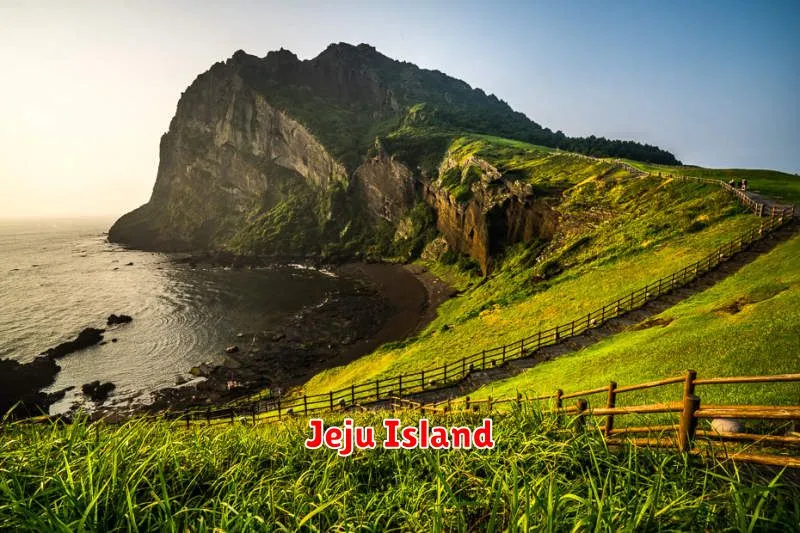
Jeju Island, South Korea’s very own paradise, is a destination like no other, often referred to as the “Hawaii of South Korea”. Located off the southern coast, this volcanic island is renowned for its stunning natural beauty, unique cultural landmarks, and diverse recreational activities.
The Majestic Hallasan Mountain
The centerpiece of Jeju is Hallasan Mountain, the highest peak in South Korea. It offers breathtaking views and a unique ecosystem, making it a popular spot for hikers and nature enthusiasts. Adventurers can choose between several hiking trails that vary in distance and difficulty, most notably the Seongpanak and Gwaneumsa trails.
Incredible Natural Wonders
Jeju is home to a number of astonishing natural wonders. Visitors can marvel at the Manjanggul Cave, one of the world’s longest lava tunnels, or explore the Seongsan Ilchulbong, a volcanic crater often described as one of the best spots on the island to catch a sunrise.
Rich Culture and Traditions
Beyond its natural allure, Jeju offers a vibrant cultural experience. The island’s unique heritage is showcased through its distinctive dol hareubang, or ‘stone grandfather’ statues, as well as the traditional villages where one can experience the island’s history and lifestyle.
Jeju’s Culinary Delights
Heaven for food enthusiasts, Jeju boasts an abundance of local delicacies. Be sure to try the famous black pork, fresh seafood, and a variety of citrus fruits that thrive in the island’s subtropical climate.
Jeju Island is a versatile destination that offers something for everyone, whether you’re seeking adventure, relaxation, or a taste of South Korea’s rich culture. It certainly deserves a spot on your travel bucket list.
Bulguksa Temple
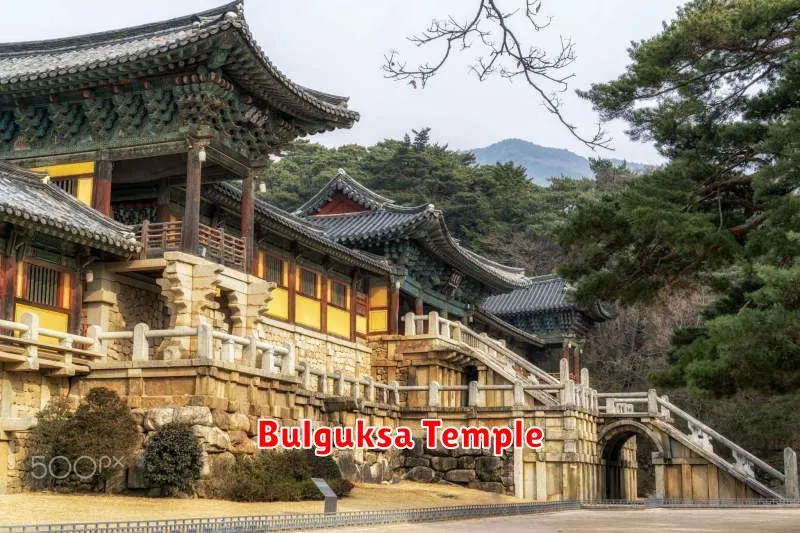
If you’re exploring South Korea, a visit to the Bulguksa Temple in Gyeongju is an absolute must. Known for its stunning architecture and historical significance, Bulguksa holds the title of a UNESCO World Heritage Site.
Historical Significance
Constructed during the Silla Dynasty in the 8th century, Bulguksa Temple offers visitors a unique glimpse into Korea’s rich cultural heritage. It’s renowned for its charming bridges, intricate pagodas, and breathtaking stone carvings, which beautifully epitomize the zenith of Buddhist art and architecture.
Main Attractions
- Dabotap Pagoda: This intricately designed pagoda symbolizes the double meaning of samsara (the cycle of life and death) in Buddhist philosophy.
- Seokguram Grotto: Although separate from the temple, it’s a breathtaking component of the same historic grounds. The grotto houses a magnificent sculpture of Buddha gazing serenely at the East Sea.
- The Blue and White Cloud Bridges: These picturesque bridges are believed to connect the physical and spiritual worlds, serving as a path to enlightenment.
Visitor Tips
Timing your visit for the morning is ideal to soak in the peaceful ambiance and avoid crowds. Don’t forget to wear comfortable shoes, as the temple grounds are expansive, with many stairs and paths to explore. For those interested in meditation and reflections, the serene environment offers a perfect backdrop.
Seoraksan National Park
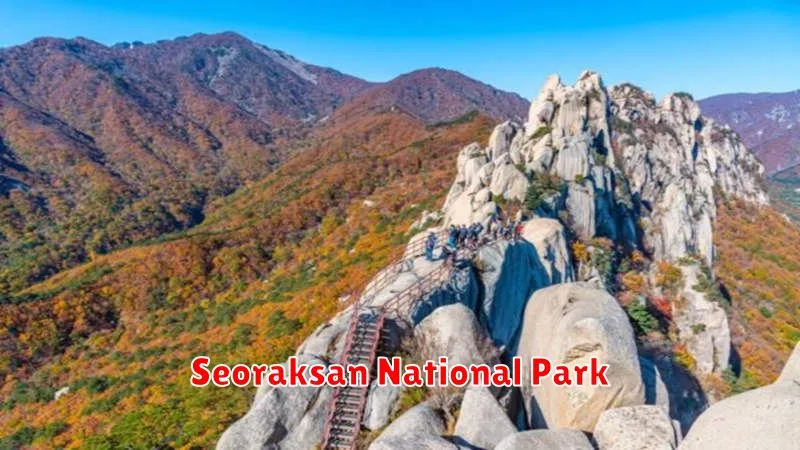
If you are an aficionado of nature and adventure, Seoraksan National Park should definitely be on your travel list when visiting South Korea. This majestic park, located in the northeastern corner of the country in Gangwon Province, offers a vast landscape of natural beauty and is a UNESCO-protected site. As the third highest mountain in Korea, Mount Seorak promises breathtaking views and an unforgettable experience.
Exploring the Park
Seoraksan National Park is a true gem for hikers and nature enthusiasts. The park provides a wide range of trails suitable for different levels of fitness, from easy walking paths to challenging ascents. Some of the popular trails include the hike to Ulsanbawi Rock and the journey to Gwongeumseong Fortress. The park’s lush forests, stunning rock formations, and cascading waterfalls make it a paradise for photographers and travelers alike.
Points of Interest
- Sinheungsa Temple: One of the oldest Zen temples in the world, known for its large bronze Buddha statue.
- Biryong Falls: A spectacular waterfall where water cascades down the rocks, creating a refreshing retreat.
- Gongnyong Ridge: Also known as the Dinosaur Ridge, this spot offers panoramic views of the mountain range.
Flora and Fauna
The park is home to diverse wildlife including rare species such as the Korean Goral and the Asiatic Black Bear. The biodiversity doesn’t stop there, as the park also houses over 1,400 plant species. Visit during the autumn months to witness the spectacular transformation of the park as the leaves turn vibrant hues of red and gold, offering a dramatic contrast against the blue skies and green pines.
Planning Your Visit
For an enriching experience, plan your visit during the spring or autumn months to enjoy the mild weather. Seoraksan is easily accessible by bus from Seoul and nearby cities. Be sure to allocate a full day or more to explore and immerse yourself in the serene and untouched beauty of Seoraksan National Park.
Insadong District
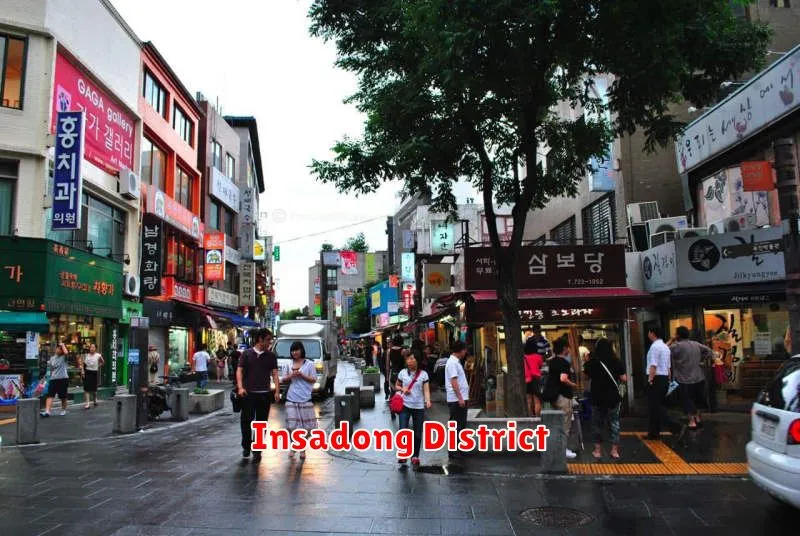
Welcome to the vibrant Insadong District, a cultural hub nestled in the heart of Seoul. Known for its unique blend of traditional Korean culture and modern influences, Insadong is a place where history and contemporary life come together.
Traditional Arts and Crafts
One of the highlights of Insadong is its array of shops that offer an extensive collection of traditional Korean handicrafts. Visitors can find everything from hanbok (traditional Korean clothing) to intricate calligraphy artworks. Whether you’re purchasing a gift or simply soaking in the artistry, Insadong is a haven for art enthusiasts.
Culinary Delights
No visit to Insadong is complete without indulging in the various Korean delicacies available at every corner. From street vendors selling freshly made tteokbokki (spicy rice cakes) to quaint teahouses offering sips of traditional Korean teas, your taste buds are in for a treat!
Must-Visit Spots
While exploring, make sure to stop at some of Insadong’s notable attractions, including:
- Ssamziegil: A unique shopping complex filled with shops offering handmade goods.
- Jogyesa Temple: A serene place that offers a peaceful retreat from the bustling streets.
- Jongno Tower: Offering panoramic views of the district from its observatory deck.
Insider Tips
Explore on Foot: The best way to experience Insadong is by walking. This allows you to stumble upon hidden gems and interact with local artists who frequently sell their work directly on the street.
Weekend Buzz: Visit during the weekend when the main street is closed to traffic, and the entire area transforms into a vibrant pedestrian zone filled with street performances and art displays.
Myeongdong Shopping Street
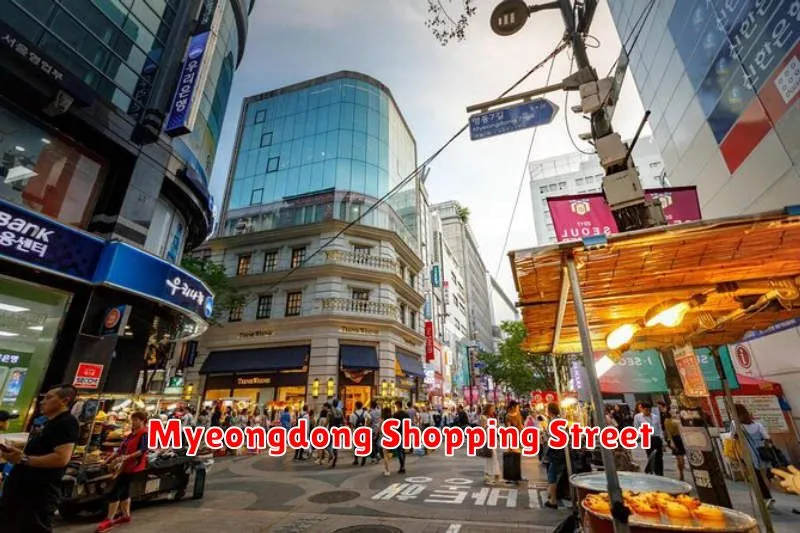
As one of the most popular and lively shopping districts in Seoul, Myeongdong Shopping Street is a must-visit destination for any shopper or fashion enthusiast. Brimming with a fascinating mix of international and Korean brands, cosmetic shops, and street food vendors, this bustling area truly offers a sensory feast.
Shopping Paradise
From luxury brands to affordable fashion, Myeongdong caters to all tastes and budgets. Whether you’re searching for the latest K-beauty products or looking to grab the trendiest outfit, you’ll find it here.
Street Food Delights
The street food scene in Myeongdong is just as vibrant as its retail offerings. Take a stroll down the crowded lanes and indulge in a variety of mouth-watering Korean snacks. Here are some popular street foods you shouldn’t miss:
- Tteokbokki (Spicy Rice Cakes)
- Hotteok (Sweet Korean Pancakes)
- Eomuk (Fish Cake Skewers)
- Kkultarae (Korean Court Cake)
Entertainment and Culture
Besides shopping and eating, Myeongdong offers vibrant entertainment and a rich cultural experience. Street performers often entertain the crowd with traditional Korean music, dance, and modern K-pop hits, providing a lively soundtrack as you explore.
For the fashion-conscious, beauty aficionados, and food lovers, Myeongdong Shopping Street remains an unmissable part of any South Korean itinerary.
Korean Folk Village
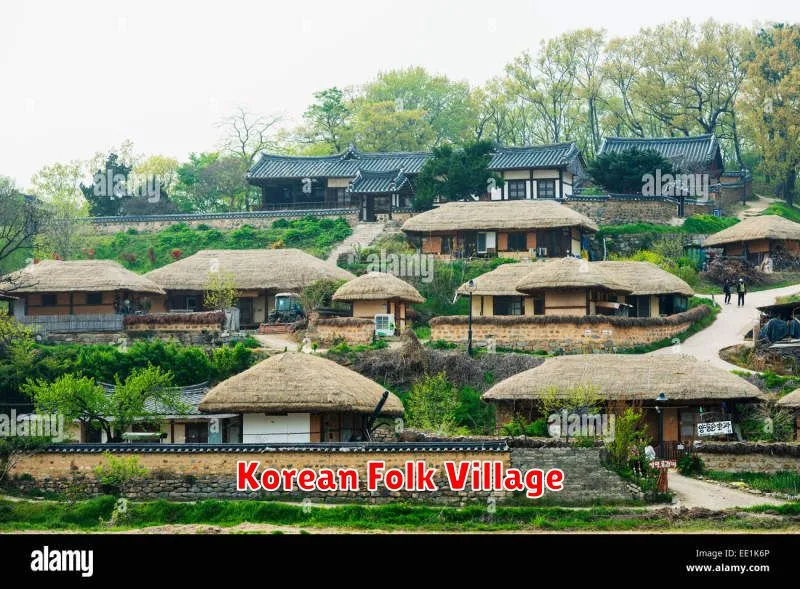
For a truly immersive experience into South Korea’s rich history and culture, the Korean Folk Village is an absolute must-visit. Located in Yongin, just outside of Seoul, this traditional village offers a captivating glimpse into the Joseon Dynasty era. As you stroll through the village, you’ll find authentic replicas of structures such as traditional thatched-roof houses, government offices, and a nobleman’s residence, all designed to reflect Korean life from centuries past.
Cultural Performances and Activities
The Korean Folk Village isn’t just about observing; it’s about engagement. Visitors can witness a variety of cultural performances, including traditional dances, music, and even a lively equestrian show that demonstrates the skillful arts of the ancient warriors. For those eager to get hands-on, there are numerous workshops available where you can try your hand at traditional crafts such as ceramic making and weaving.
Festivals and Seasonal Events
The village also hosts a variety of festivals and seasonal events throughout the year, offering a changing landscape of discovery and enjoyment. During the spring, the village bursts into life with vibrant displays of blooming flowers, while autumn showcases the warm hues of Korean maple trees.
Traditional Korean Cuisine
After a day of exploration, be sure to indulge in some authentic Korean cuisine at the on-site restaurants. The village serves up delightful traditional dishes such as bibimbap, bulgogi, and a variety of Korean street foods that promise to tantalize your taste buds.
Visitor Information
- Location: Yongin, Gyeonggi Province, South Korea
- Admission Hours: Typically open from 9:30 AM to 6:00 PM, varying slightly by season
- Best Time to Visit: Spring and autumn for the most pleasant weather and beautiful scenery
The Korean Folk Village is a perfect destination for those interested in an enriching cultural experience that combines history, art, and the delicious flavors of Korea.
