

Are you dreaming of a UK getaway? Looking for inspiration for your next adventure? Then look no further! This article, “Exploring the UK’s Gems: 10 Must-Visit Destinations,” is your ultimate guide to discovering the best that the United Kingdom has to offer. From vibrant cities steeped in history to breathtaking natural landscapes, the UK boasts a diverse range of must-visit destinations that cater to every traveler. Whether you’re seeking a cultural immersion in London, a romantic escape to the Cotswolds, or an outdoor adventure in the Scottish Highlands, this list of top 10 UK destinations will help you plan the perfect trip.
Get ready to be captivated by the charm of quaint villages, the grandeur of historic castles, and the beauty of rugged coastlines. We’ll delve into the must-see attractions, hidden gems, and unique experiences that await you in each of these top UK destinations. Prepare to be inspired to explore the UK’s gems and create unforgettable memories on your next British adventure. Let’s dive in and uncover the magic of these 10 must-visit destinations!
The Broads National Park
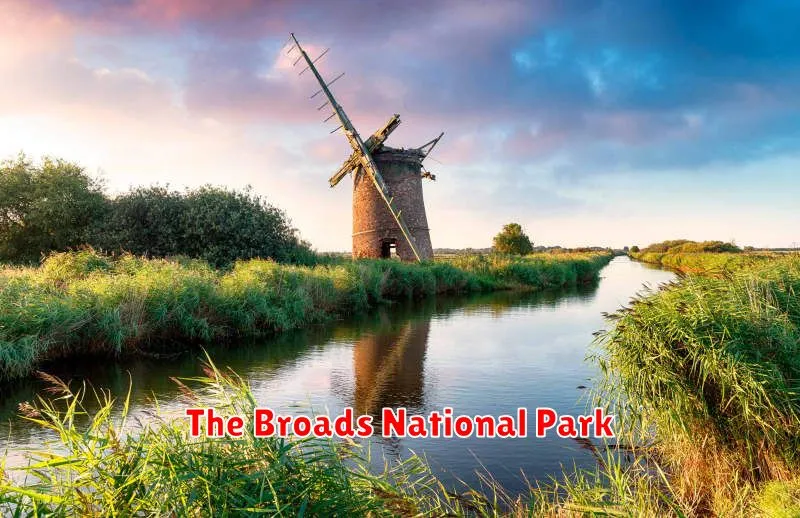
The Broads National Park is a pristine area of over 300 square kilometers located in the heart of Northeast England. Known for its scenic landscape, this unique wetland is a haven for wildlife and outdoor enthusiasts alike. With around 125 kilometers of lock-free waterways, it’s the perfect location for boat enthusiasts looking to explore a different side of the UK.
What Makes the Broads Unique?
Unlike many other national parks in the UK, The Broads is largely made up of rivers and lakes, locally known as ‘broads’. This intricate network of waterways creates a distinctive ambiance that sets it apart from other parks. The serene environment and abundance of water not only attract tourists but also a rich diversity of flora and fauna.
Activities to Enjoy
- Boating: Hire a boat and navigate through the scenic waterways. With no locks to contend with, it’s ideal for both novices and seasoned sailors.
- Bird Watching: Home to rare species such as the swallowtail butterfly and bittern, The Broads is a paradise for bird watchers.
- Cycling & Walking: Explore numerous trails and paths that wind through enchanting woodlands and quaint villages.
Important Tips for Visitors
| Tip | Description |
|---|---|
| Best Time to Visit | Spring and summer offer the best weather for exploring the waterways. |
| How to Get There | Located close to Norwich, easily accessible by both road and rail. |
Visitors to The Broads National Park will find a treasure trove of activities and natural beauty, making it a noteworthy stop on any UK travel itinerary. Whether you’re drawn by its tranquil waters or its natural wonders, The Broads offers an unforgettable experience for every traveler.
Stonehenge
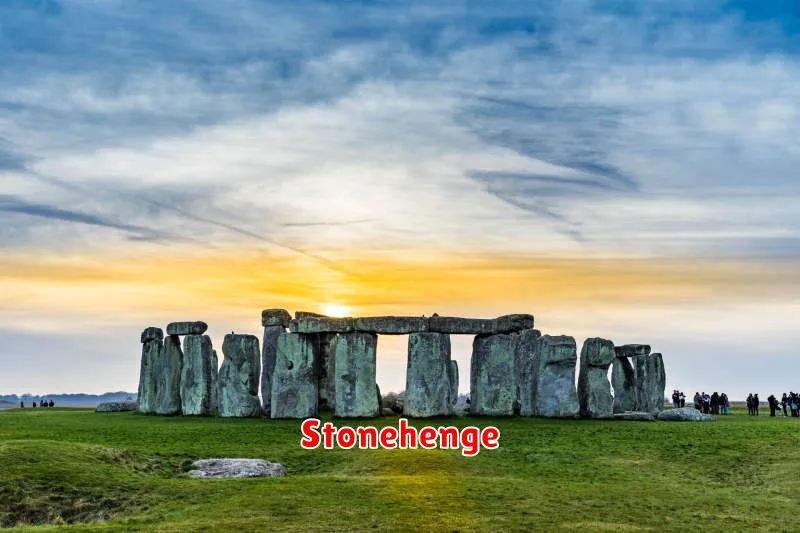
One of the most iconic landmarks in the United Kingdom, Stonehenge is a prehistoric monument located in Wiltshire, England. Known for its mysterious and awe-inspiring stone circle, this ancient site attracts millions of visitors each year. The standing stones, some weighing up to 25 tons, have stood the test of time and continue to be the subject of fascination for archaeologists and tourists alike.
The Mystery of the Stones
Stonehenge’s origins date back to around 3000 BC, and its purpose remains shrouded in mystery. Some theories suggest that it was a ceremonial or religious site, while others believe it was an astronomical observatory. Despite extensive research, the true meaning of Stonehenge continues to elude experts, adding to its allure.
Visitor Experience
Today, Stonehenge is managed by English Heritage and provides visitors with a glimpse into the past. Tourists can explore the visitor center, which offers a range of educational exhibits and displays that dive into the history and significance of the site. A multimedia guide is available to enhance the experience, offering insights into the construction and theories surrounding Stonehenge.
| Fact | Details |
|---|---|
| Location | Wiltshire, England |
| UNESCO World Heritage Site | Yes, since 1986 |
| Construction Period | c. 3000 BC – 2000 BC |
| Annual Visitors | 1.5 million |
Visitors are also encouraged to venture around the surrounding landscape, which is dotted with Neolithic and Bronze Age monuments, barrows, and earthworks, revealing a larger prehistoric complex that is an integral part of the Stonehenge experience.
Whether you’re a history buff, an archaeology enthusiast, or someone simply looking to tick off a bucket-list destination, Stonehenge offers a unique peek into an ancient world and the mysteries that come with it.
The Cotswolds
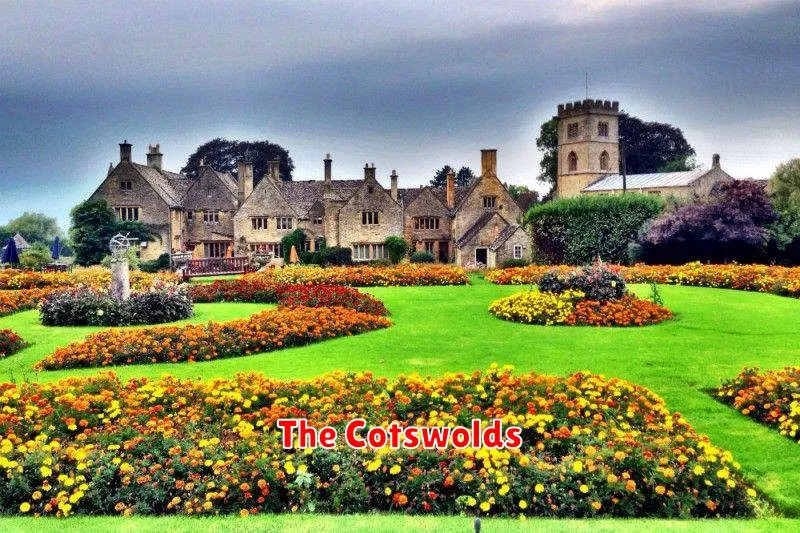
When one dreams of picturesque English countryside, it’s the Cotswolds that often comes to mind. This enchanting region, recognized as an Area of Outstanding Natural Beauty, is famous for its rolling hills, quaint villages, and historic market towns.
Quaint Villages and Towns
The Cotswolds is peppered with villages that seem to be lifted straight from the pages of a fairytale. Bibury, with its charming Arlington Row, and Bourton-on-the-Water, known for its low stone bridges arching over the river, are just two of the many gems to explore.
Historic Splendor
For history enthusiasts, visiting the town of Cirencester, often referred to as the “Capital of the Cotswolds,” is a must. Here, you’ll find Roman history intertwined with stunning Georgian architecture. Meanwhile, the grand Blenheim Palace, a UNESCO World Heritage site, sits nearby, inviting visitors to explore its majestic grounds.
Nature at Its Best
Hiking and walking trails offer a fantastic way to soak in the area’s natural beauty. The Cotswold Way, a 102-mile stretch of walking trails, provides breathtaking views of the landscape. Whether you’re an avid hiker or just looking for a leisurely stroll, the scenery will not disappoint.
Culinary Delights
No visit would be complete without indulging in some local cuisine. The Cotswolds boasts an array of country pubs and eateries serving hearty English fare and local produce. Be sure to try some traditional Cotswold cheese to truly savor the regional flavors.
A visit to the Cotswolds is an invitation to step back in time, to relish the tranquility, and to discover the profound charm that this unique region offers.
Lake District National Park
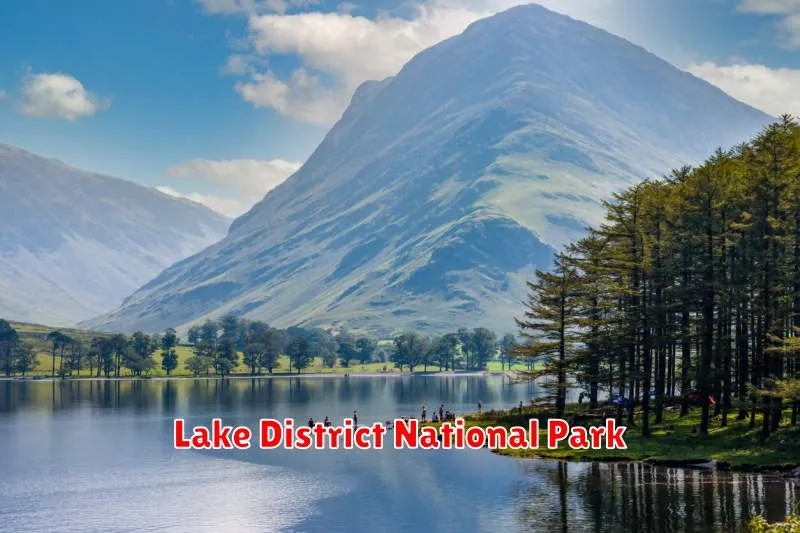
Located in northwest England, the Lake District National Park is a haven for nature enthusiasts and adventure seekers alike. Encompassing an area of over 2,300 square kilometers, this national park is known for its stunning landscapes, picturesque lakes, and towering mountains.
A Wanderer’s Paradise
The Lake District offers a diverse range of activities such as hiking, boating, and cycling. Whether you’re scaling the heights of Scafell Pike, the highest point in England, or enjoying a serene boat ride on Windermere, the park’s largest lake, you’re guaranteed a memorable experience.
Rich Cultural Heritage
Aside from natural beauty, the Lake District is also a hub of cultural significance. It’s famously associated with several literary icons such as William Wordsworth and Beatrix Potter, whose works were inspired by the area’s stunning landscapes.
Visitor Highlights
- Exploring charming villages such as Grasmere and Keswick.
- Visiting Hill Top Farm, once the home of Beatrix Potter.
- Strolling through the Dove Cottage, Wordsworth’s home.
The Lake District National Park is an idyllic blend of natural beauty and cultural heritage, making it a must-visit destination for anyone exploring the UK’s gems.
Edinburgh Castle

Nestled atop the rugged volcanic Castle Rock, Edinburgh Castle dominates the skyline of Scotland’s capital. With its rich history and commanding presence, the castle is a must-see for any visitor exploring the cultural wealth of the UK.
A Journey Through History
The castle has witnessed centuries of conflict and royal power. It has been the residence of many Scottish monarchs, and its iconic status as a symbol of the nation’s resilience is undisputed. Throughout history, it has acted as a royal castle, a military stronghold, and even a prison.
The highlights within the castle walls include the Stone of Destiny, a symbolically significant inauguration stone for Scottish kings, and the stunning Crown Jewels of Scotland. A walk through the royal apartments allows visitors to step back into the realm of King James VI.
Must-See Attractions
- St. Margaret’s Chapel: Dating back to the 12th century, it’s the oldest surviving building in Edinburgh.
- The Great Hall: This magnificent hall has hosted numerous grand banquets and events since the reign of James IV.
- The National War Museum: Home to diverse exhibitions that explore over 400 years of military history.
- The One O’Clock Gun: Witness this longstanding tradition, where a gun is fired at precisely 1:00 PM every day except Sundays.
Visitor Information
When planning a visit, it’s advised to allocate at least a half-day to fully immerse yourself in the stunning surroundings and deep history of Edinburgh Castle. The castle is open year-round with varied opening times depending on the season.
| Season | Opening Hours |
|---|---|
| Summer | 9:30 AM – 6:00 PM |
| Winter | 9:30 AM – 5:00 PM |
With its exceptional views overlooking the city and its remarkable blend of architectural and historical significance, Edinburgh Castle truly showcases the grandeur of Scotland’s past.
Buckingham Palace

Nestled in the heart of London, Buckingham Palace stands as the epitome of British heritage and royal history. Known for being the official residence of the UK’s sovereigns since 1837, this majestic landmark is central to the identity of the nation.
An Architectural Marvel
The palace boasts 775 rooms, including 19 state rooms, 240 bedrooms, and 78 bathrooms. The facade we see now is the result of several renovations, with the design being primarily attributed to architects John Nash and Edward Blore, who expanded the original building constructed for the Duke of Buckingham in 1703.
The Changing of the Guard
The iconic Changing of the Guard ceremony is a must-see for visitors. It is a colorful spectacle of British pageantry that takes place at 11:00 AM on regular days. The guards, clad in their distinctive red tunics and bearskin hats, march up to the palace accompanied by music from the Guards Band.
Visitor Experience
While access to the state rooms is limited to certain times of the year, usually from July to September, visitors can explore the exquisite Queen’s Gallery and the expansive Royal Mews all year round. These areas offer insight into the royal lifestyle, showcasing familial portraits, artwork, and the royal collection of carriages and cars.
Essential Information
| Opening Months | July – September |
|---|---|
| State Rooms | Open to the public |
| Changing of the Guard | Daily at 11:00 AM |
| Ticket Booking | Recommended in advance |
Tower of London
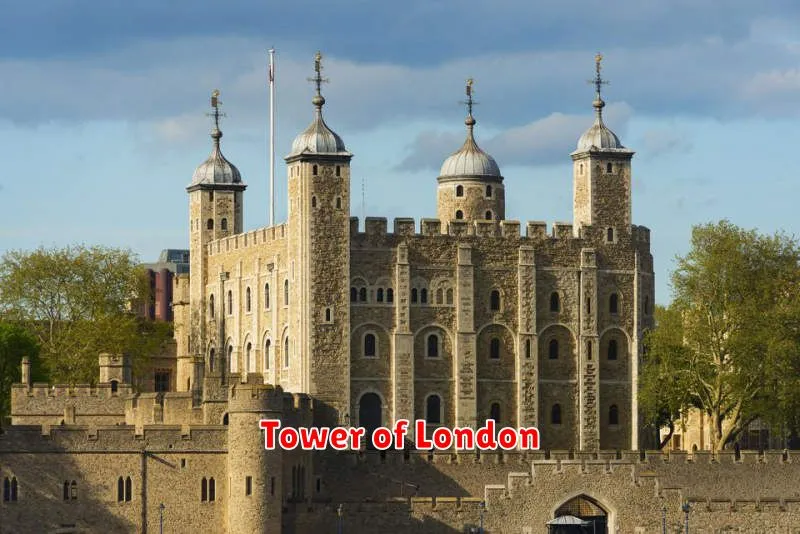
Located on the north bank of the River Thames in central London, the Tower of London is a historic fortress with a storied past that dates back to 1066. Built initially by William the Conqueror, this imposing structure served as a royal residence, treasury, and perhaps most famously, a prison. Today, it stands as one of the most iconic landmarks of the United Kingdom, drawing millions of visitors each year eager to uncover its secrets.
History and Architecture
The heart of the Tower of London is the White Tower, named for its stunning white stone. Over the centuries, this castle has expanded, adding towers, walls, and a famous moat. Throughout its long history, it has witnessed numerous executions, such as that of Anne Boleyn, and has served as the home of the Crown Jewels. The architectural style of the fortress reflects the various phases of English history, from Norman to Gothic influences.
Must-See Attractions
- The Crown Jewels: A breathtaking collection of ceremonial regalia including crowns, scepters, and orbs used in royal ceremonies.
- The White Tower: Houses a display of armor and weaponry, offering a glimpse into the martial history of the fortress.
- Yeoman Warders: Also known as Beefeaters, they provide guided tours filled with stories of intrigue and betrayal.
- Raven’s Residency: Legend states that if the ravens ever leave the Tower, the kingdom will fall!
Visitor Tips
If you’re planning a visit, aim to arrive early to avoid long lines—this is one of London’s most popular attractions! The site also hosts special events throughout the year, from medieval festivals to evening tours. Don’t forget to engage with the interactive exhibits to fully immerse yourself in this fascinating slice of history.
British Museum

Renowned as one of the world’s most distinguished institutions, the British Museum in London is a must-visit for history enthusiasts and casual visitors alike. With a staggering collection that spans two million years of history, the museum offers an unparalleled glimpse into the rich tapestry of human culture.
Highlights of the Collection
The British Museum houses a number of famously captivating artifacts:
- The Rosetta Stone: This pivotal piece features inscriptions in three scripts, crucial to the modern understanding of Egyptian hieroglyphs.
- The Elgin Marbles: Originally part of the Parthenon, these sculptures are remarkable examples of classical art.
- The Egyptian Mummies: The museum’s impressive collection of Egyptian mummies attracts visitors keen on uncovering ancient burial rituals.
A Journey Through Time
Visitors to the British Museum can traverse diverse cultures and epochs, from the ancient civilizations of the Middle East to the intricate art of Asia. Each gallery is a portal into a different world, presenting artifacts that tell the stories of the people who shaped them.
Visitor Information
The museum offers free admission to its permanent collection, although special exhibitions may require a ticket purchase. Whether you have an hour or a full day, the British Museum offers an unforgettable experience that enriches the mind and broadens horizons.
Giant’s Causeway
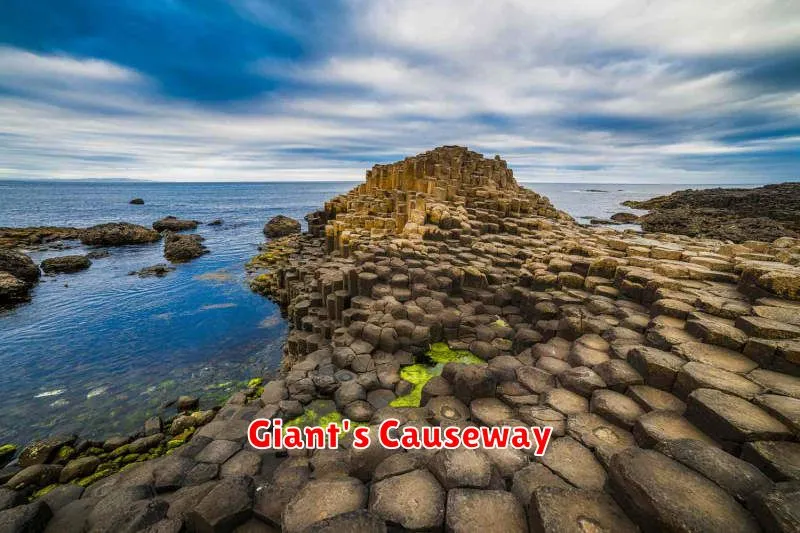
One of the most distinct and unique natural formations on the planet, the Giant’s Causeway is a magnificent area of about 40,000 interlocking basalt columns, the result of an ancient volcanic eruption. Located on the northeast coast of Northern Ireland, it is a stunning example of nature’s geometric precision and beauty.
The Legend
According to local legend, the causeway was built by an Irish giant named Fionn mac Cumhaill (Finn McCool) to cross the sea to fight his Scottish rival, Benandonner. When Fionn saw how enormous his opponent was, he strategically disguised himself as a baby, and when Benandonner saw the baby’s purportedly giant figure, he fled back to Scotland, destroying the causeway in the process.
Visitor Experience
The Giant’s Causeway is a place where imagination and reality blend seamlessly. As you walk across the columns, the sheer scale and striking appearance of the stones leave many visitors speechless. The interpretive center nearby offers intriguing insights into both the scientific and mythical origins of the formation.
Noteworthy Features
- The Grand Causeway: The largest of the three rock outcrops, presenting a perfect spot for panoramic views and photography.
- The Organ: These are towering basalt columns that resemble the pipes of a giant organ, adding to the surreal atmosphere.
- Giant’s Boot: A rock shaped like a giant boot can be found on the walk, tempting visitors with its whimsical presence.
Exploring the Giant’s Causeway will surely leave an everlasting imprint on any traveler’s memory. Whether you’re drawn by the geological marvel or the enchanting tales, it’s a destination like no other.
Snowdonia National Park
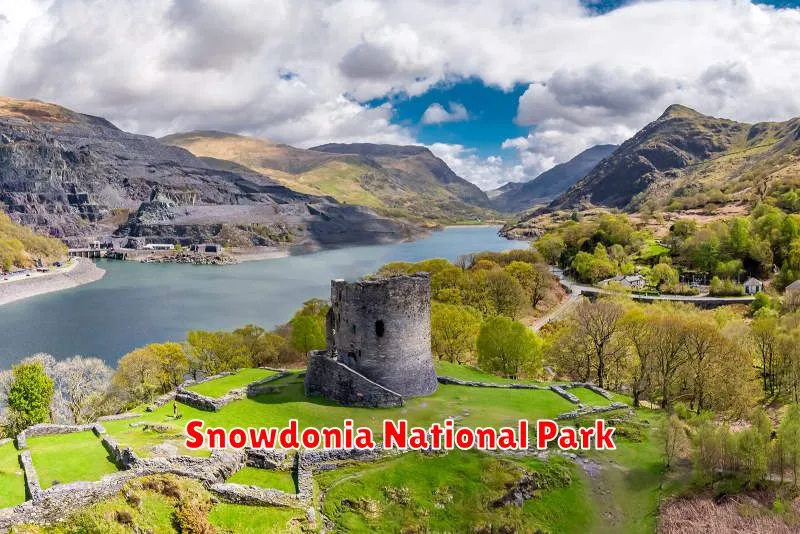
Nestled in the northwest of Wales, Snowdonia National Park is a haven for nature enthusiasts and adventure seekers alike. This expansive park boasts some of the most dramatic landscapes in the United Kingdom, offering a perfect blend of rugged mountains and tranquil lakes.
Mountains and Trails
The park is perhaps best known for Mount Snowdon, the highest peak in Wales, standing tall at 1,085 meters. For those feeling adventurous, reaching the summit offers breathtaking views of the surrounding landscape. There are several trails that vary in difficulty, from the challenging Watkin Path to the more leisurely Llanberis Path. Whether you’re an experienced climber or a casual hiker, Snowdonia has a trail that suits you.
Rich Biodiversity
Beyond its stunning peaks, Snowdonia is home to a diverse array of wildlife. The park’s varied habitats—from moorlands to forests—provide a sanctuary to many species, including the rare Snowdon Lily and protected birds like the peregrine falcon and red kite. Birdwatchers and animal lovers will find the park an ideal location for spotting rare and native species.
Cultural Heritage
Snowdonia’s allure is not limited to its natural beauty. The area is steeped in Welsh culture and history. Scattered across the park are remnants of ancient settlements and fortresses, offering glimpses into the region’s storied past. Visiting these sites provides an enriching experience, adding a layer of historical intrigue to your visit.
Top Experiences in Snowdonia
- Take a scenic ride on the Snowdon Mountain Railway.
- Explore the mystical Swallow Falls.
- Discover the underground world at Bounce Below—a unique trampolining experience in a disused mine.
For those looking to escape into nature, surrounded by majestic landscapes and rich cultural backdrops, Snowdonia National Park is undoubtedly a must-visit destination on your UK journey.
